
What Is a Gift Card Scam? How It Works and How to Stop It

Your phone rings. The caller says they’re from the IRS, or your grandson is in jail, or your computer has a virus — and the only way to fix it is to buy gift cards and read them the numbers off the back. That sentence is the con. So what is a gift card scam, exactly? It’s any fraud where a criminal tricks you into paying with gift cards, or steals the value off a gift card before you even use it. Gift cards work like cash, they can’t be traced the way a bank transfer can, and once the money is spent, it’s almost always gone.
This matters right now because gift cards are the most popular holiday gift in America — and the most popular payment method for scammers. The Federal Trade Commission says at least $233 million was stolen through gift card scams in 2025, based on more than 35,000 reports. The real figure is almost certainly higher, because most victims never report it. Today is Black Friday, November 27, 2026. This guide explains how the scam works, the versions you’ll run into, and what to do if it already happened to you.
What Is a Gift Card Scam?
A gift card scam is any scheme that uses gift cards to steal money, and it comes in two main forms. In the first, a scammer pressures you into buying gift cards — Apple, Google Play, Target, Amazon, eBay, Walmart — and handing over the card numbers and PINs. The scammer drains the balance within minutes, often while you’re still on the phone. In the second, criminals tamper with physical cards on store racks: they copy the numbers, reseal the packaging, and wait for someone to load money onto the card.
The Federal Trade Commission’s rule is one sentence long, and it’s worth memorizing: no real business or government agency will ever tell you to buy a gift card to pay them. Not the IRS. Not the police. Not Microsoft. Not your bank. If someone tells you to pay with a gift card, that is a scam. The FTC’s own guide to avoiding and reporting gift card scams puts it exactly that way.
Why Scammers Love Gift Cards
Scammers didn’t pick gift cards by accident — understanding what is a gift card scam starts with why the cards suit thieves so well. First, they’re as good as cash: the balance spends instantly, anywhere the card is accepted. Second, they’re hard to trace. A gift card number doesn’t carry your name, and once the balance moves, following it is difficult even for investigators. Third, they’re easy to get victims to buy: almost everyone knows how to walk into a store and load $500 onto a card. Fourth, they’re fast. A scammer who gets your card numbers can drain the balance in minutes.
The 8 Most Common Gift Card Scams
Scammers tell different stories, but the ending is always the same: buy a gift card, share the numbers, lose the money. Here are the versions the FTC and AARP say show up most.
1. The Government Impostor
Someone calls claiming to be from the IRS, the Social Security Administration, or even the FTC itself. You owe back taxes, or a fine, or your Social Security number has been suspended. Pay now with gift cards or face arrest. Government agencies never demand immediate payment, and they never demand it by gift card.
2. The Tech Support Scam
A pop-up or a cold call warns that your computer has a virus, or your security software is about to expire. The “technician” — supposedly from Microsoft or Apple — offers to fix it remotely and asks you to pay with gift cards. Real tech companies don’t call you out of the blue about a virus, and they don’t take gift cards.
3. The Family Emergency
This one is cruel. A caller claims to be your grandchild, or a police officer holding your grandchild, and says there’s been an accident or an arrest. Money is needed immediately, in gift cards — and you mustn’t tell anyone. Some versions now use AI voice cloning, so the caller can sound like your loved one. Hang up and call your family member directly on a number you already have.
4. The Romance Scam
Someone you’ve bonded with online — but never met in person — suddenly has a crisis. A medical bill, a stranded trip, a frozen bank account. They need gift cards, fast. Romance scammers build trust over weeks or months before the ask. Never send money or gift cards to someone you haven’t met in person.
5. The Prize or Lottery Scam
You’ve won a sweepstakes! But before you can collect, you need to pay taxes or processing fees — with gift cards, of course. No honest business makes you pay to receive a prize.
6. The Utility Shutoff Threat
Your power or water will be cut off in the next hour unless you pay immediately with gift cards. Utility companies don’t work this way: they send written notices, offer payment plans, and never demand gift cards. Hang up and call the number on your actual bill.
7. The “Do Me a Favor” Boss Scam
An email or text that looks like it’s from your boss asks you to buy gift cards for clients and read the numbers back. They’ll reimburse you later, they promise. They won’t. Check the sender’s actual email address — it’s usually a lookalike — and confirm with your boss through a separate channel.
8. The Fake Check and the Online Shopping Scam
A buyer sends you a check for more than the agreed price, then asks you to deposit it and send the difference back on a gift card. The check bounces; your money is gone. The shopping version is simpler: a seller on a resale site or a fake storefront offers a too-good deal and insists on gift card payment. The moment you share the card numbers, the seller vanishes — and so does the balance. If a seller only accepts gift cards, walk away. Most of these scams start with a message designed to look legitimate, so see our guide on how to spot a phishing email.
The Other Kind: Tampered Cards on the Rack
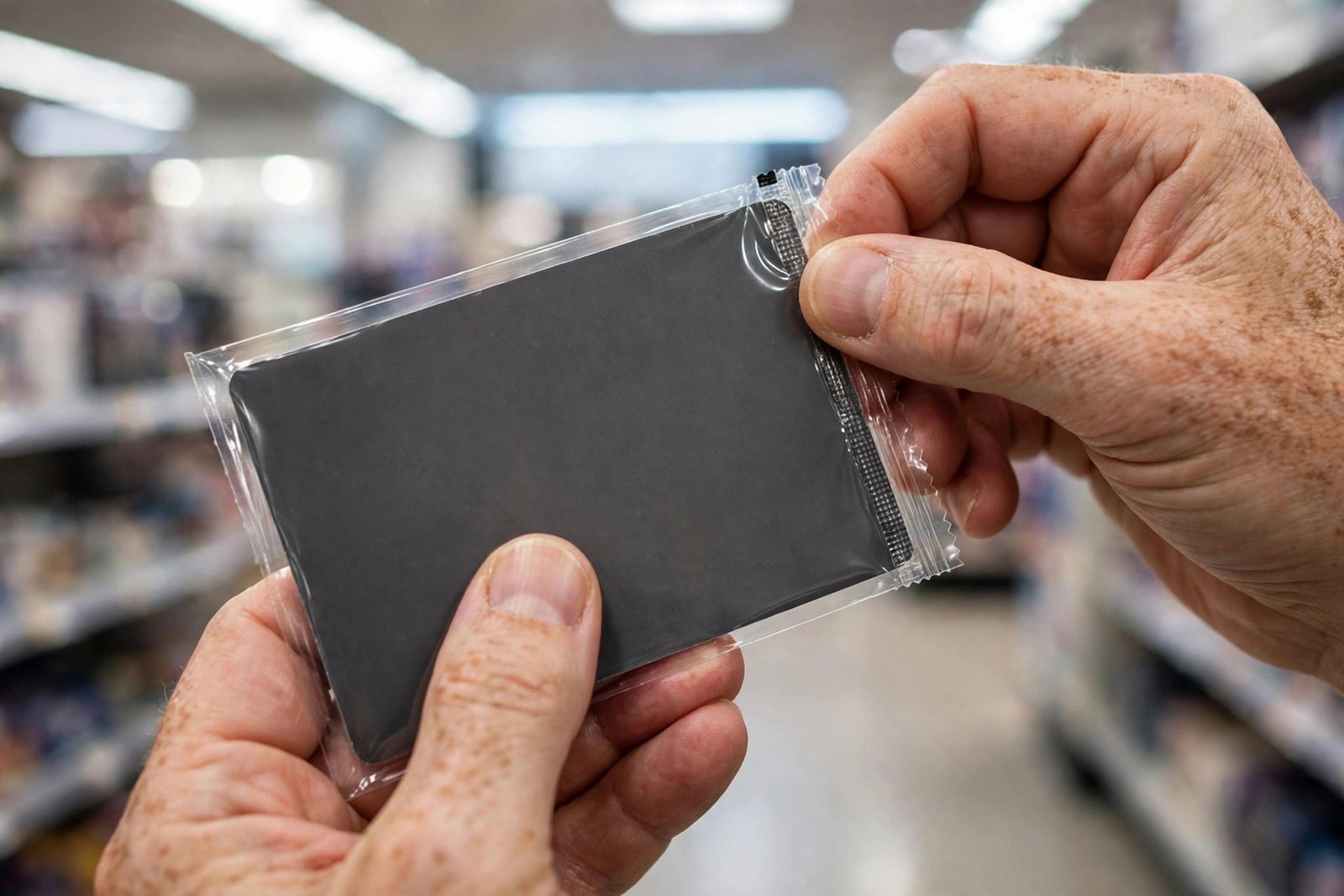
Not every gift card scam involves a phone call. The second kind happens quietly, in the store, before you even buy the card. Criminals steal cards from unattended racks, record the account numbers and PINs, then reseal the packaging so it looks untouched and put the cards back. When a customer loads money onto the card, the thieves drain the balance — sometimes within hours. The buyer finds out only when they try to spend it.
This isn’t a rare trick. AARP reports that the Texas Financial Crimes Intelligence Center recently arrested four people in a scheme that drained gift cards at Walgreens, Dollar Tree, and other stores across Texas and Arkansas. Investigators found hundreds of tampered cards representing more than $100,000 in potential losses from a single day of activity. In a 2025 AARP survey, a third of respondents said they had either given or received a gift card with no funds on it.
In this form, what is a gift card scam exactly? It’s theft of the card’s value before the gift is ever given — and the victim is usually the person who receives the card, not the person who bought it. The buyer did everything right, and the gift still arrives empty. States are fighting back: AARP says six states enacted new gift card fraud protections in 2026 alone, including tamper-resistant packaging and warning signs at the point of sale.
Gift Card Scam Losses by Year
The numbers below come from the FTC’s Consumer Sentinel Network — the figures the agency publishes from fraud reports. They count only reported losses, so the real totals are higher. After a dip in 2022–2024, reported losses jumped back up in 2025 to the highest level the FTC has recorded.
| Year | Reported losses | Reports to the FTC |
|---|---|---|
| 2019 | $103 million | 38,401 |
| 2020 | $124 million | 43,242 |
| 2021 | $233 million | 64,638 |
| 2022 | $225.3 million | 48,888 |
| 2023 | $216.6 million | 41,635 |
| 2024 | $212.0 million | 41,122 |
| 2025 | $233.4 million | 35,321 |
Source: FTC Consumer Sentinel Network Data Books and fraud-reports dashboard, as compiled in AARP’s gift card scam guide (updated October 19, 2026). Note the 2025 paradox: reports fell to 35,321 while losses rose to $233.4 million — fewer victims, but each losing more.
Red Flags: How to Spot One in 30 Seconds
Every version of this scam shares the same tells. Learn them once and you’ll catch the next attempt.
First, urgency. “Pay right now or something terrible happens” is the scammer’s favourite tool, because it stops you thinking. A real agency or company gives you time. Second, secrecy: “Don’t tell anyone” is a demand no legitimate caller ever makes. Third, the payment method itself — gift cards, wire transfers, and cryptocurrency are the three scammers ask for, because all three are hard to reverse. Fourth, specific instructions about where to buy the cards and which brand, often several stores, “so the cashier won’t get suspicious.” Fifth, staying on the phone while you drive to the store.
The simplest test, from AARP’s fraud experts, is to offer a different payment method. Say you’ll pay by credit card, which can be tracked and refunded. If they say no, it’s a scam. If the message arrived by email or text, check the sender — a careful look at the address catches most impersonation attempts, as our guide to spotting phishing emails explains.
How to Protect Yourself When Buying Gift Cards
Gift cards themselves aren’t the problem — they’re a fine gift when bought carefully. Buy cards directly from the issuing business or a store you trust, not from an online seller who “specializes in discounted gift cards.” Before you pay, inspect the packaging: cuts, tears, loose stickers, unusual marks, or extra layers are all signs of tampering. Make sure the sticker covering the PIN is intact and the PIN isn’t visible.
At the register, make sure each card is actually scanned and loaded — confirm every card in a holiday batch is activated before you leave the store. Keep the receipt, and photograph the card and the receipt with your phone. That photo is your evidence if anything goes wrong later. And never buy a gift card because someone on the phone told you to. If you’re doing your holiday shopping now — Black Friday is today, November 27, 2026 — read our list of mistakes to avoid when buying Christmas gifts before you check out, and plan the spend with our guide to how to budget for Christmas 2026.

What to Do If You Already Paid a Scammer
Act fast — minutes matter, because the balance can be drained while you’re deciding what to do.
First, contact the gift card company right away and report the scam. Ask whether the money is still on the card; if it is, the company may be able to freeze it. The FTC publishes the contact numbers for the major brands. Amazon: 1 (888) 280-4331. Apple or iTunes: 1 (800) 275-2273 — say “gift card” to reach a live representative. Target: 1 (800) 544-2943. Walmart: 1 (888) 537-5503. Visa: 1 (800) 847-2911. For Google Play, report through Google’s support site.
Second, report the scam to the FTC at ReportFraud.ftc.gov. Every report helps investigators spot patterns and link cases. Third, report it to local law enforcement and to the FBI’s Internet Crime Complaint Center at ic3.gov. Fourth, call the free AARP Fraud Watch Network Helpline at 877-908-3360 — their specialists can walk you through the next steps.
Can You Get Your Money Back?
Honestly: usually not. Once a scammer has the card numbers, the balance is typically spent within minutes, and gift card transactions are almost impossible to reverse. If you report quickly and the money is still on the card, the issuer can sometimes freeze the balance and refund it. It costs nothing to ask — call immediately.
What you should not do is pay anyone who promises to recover the money for a fee. That’s a second scam layered on top of the first: recovery scams target people who have already been victimized, and they follow the same script — urgency, secrecy, and an unusual payment method.
Frequently Asked Questions
What is a gift card scam?
It’s any fraud that uses gift cards to steal money — either by tricking you into buying gift cards and sharing the numbers, or by tampering with cards on store racks and draining them. The FTC’s rule is simple: no real business or government agency will ever tell you to pay with a gift card.
Why do scammers ask for gift cards?
Because gift cards work like cash, are hard to trace, and are easy for victims to buy. Once the scammer has the numbers, the balance can be drained in minutes.
Can a gift card be traced after a scam?
Partially. The card issuer can sometimes see where and when the balance was spent, which is why you should report immediately. But tracing the spending doesn’t usually mean recovering the money — by the time the report is filed, the balance is normally gone.
What should I do if I bought a tampered gift card?
Take the card and your receipt back to the store where you bought it and show a manager. Then contact the card issuer directly — many will replace a card tampered with before purchase if you can prove it. Keep the packaging.
Are gift cards safe to give as Christmas gifts?
Yes, when bought carefully. Buy from the issuing store or a trusted retailer, inspect the packaging for tampering, confirm the card is activated at the register, and keep the receipt. A gift card is a gift, not a payment method — and if you’re giving a large amount, remember that gifts can have tax implications, which our guide to what a gift tax is explains.
How do I report a gift card scam?
Report it to the gift card company first, then to the FTC at ReportFraud.ftc.gov, then to local police and the FBI’s Internet Crime Complaint Center at ic3.gov. The AARP Fraud Watch Network Helpline (877-908-3360) can also help.
Conclusion
So what is a gift card scam, in the end? It’s the simplest con running right now: a stranger creates urgency, demands an untraceable payment, and disappears with your money. The defence is just as simple — no real business or government agency will ever tell you to buy a gift card to pay them. Remember that, check the packaging before you buy, keep your receipts, and tell the people in your life, especially older relatives, who are the scammers’ favourite targets. If it already happened, report it today.



