
The most expensive part of a cruise is almost never the ticket. It’s the string of small, avoidable first time cruise mistakes that snowball into missed ports, surprise fees, and a final bill that looks nothing like the brochure price. The good news: nearly every rookie error happens before you ever board the ship — which means it’s fixable right now, from your couch. Below are the nine mistakes first-time cruisers make most often, what each one really costs you, and exactly how to dodge it.
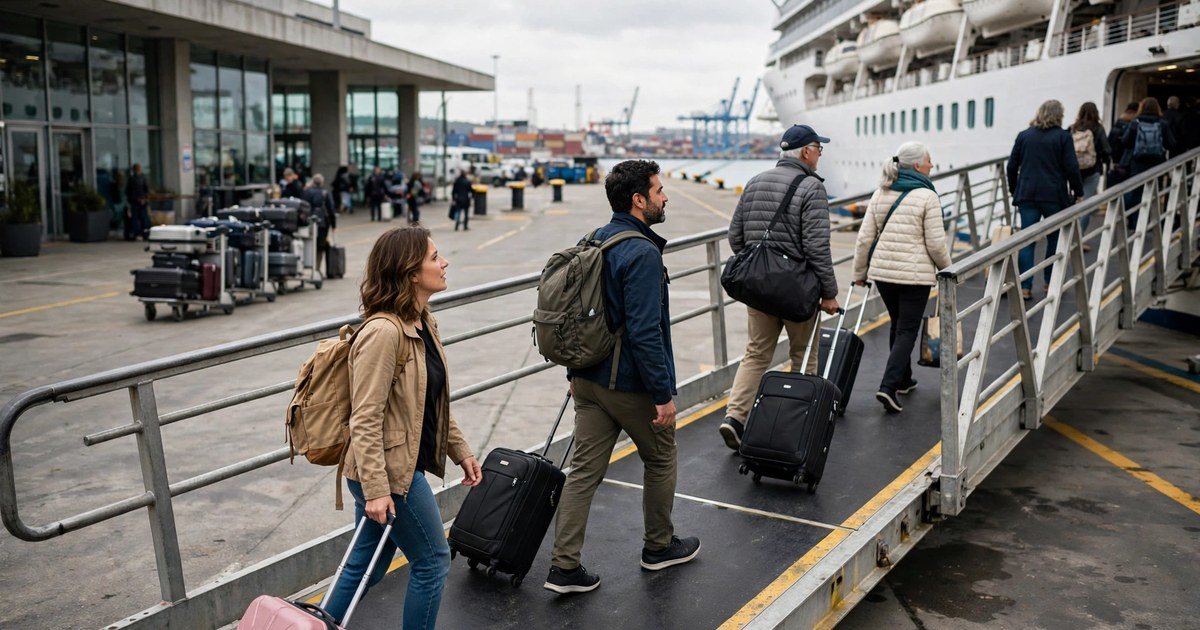
1. Flying In on the Same Day the Ship Sails
This is the number-one rookie error, and the stakes are brutal. Ships run on fixed departure times — they will not wait for your delayed flight. If your plane is canceled or weather-delayed, you don’t just lose a day; you lose the entire cruise fare, since the cruise line is under no obligation to refund you.
How to avoid it: Always fly in at least one full day early and stay in a hotel near the port. The cost of one hotel night is a tiny insurance policy against losing a vacation worth thousands. If you’re finding cheap flights, build the extra buffer night into your plan from the start — and arrange transport from the airport to the port ahead of time so embarkation morning is calm, not chaotic.
2. Booking a Cabin Without Checking the Deck Plan
All cabins are not created equal, even within the same category. The cheapest interior cabin might sit directly under the nightclub, beside the anchor machinery, or at the far end of a long corridor where you feel every wave. First-timers who let the cruise line assign their cabin — or who pick purely on price — sometimes discover their mistake at 2 a.m. when the theater’s bass drops through the ceiling.
How to avoid it: Pull up the ship’s deck plan before you book (the cruise line publishes it, and cabin-review forums discuss specific noisy or shaky cabins). Mid-ship cabins on lower decks feel the least motion if you’re prone to seasickness; cabins far from elevators, atriums, and entertainment decks are the quietest. Ten minutes of research here is the difference between restful nights and bleary-eyed mornings.
3. Skipping Travel Insurance
A cruise is one of the trips where insurance matters most. Standard health plans often don’t cover you in international waters, the ship’s medical center bills directly to your onboard account, and a medical evacuation at sea can cost far more than most travelers imagine. Cruise-line-sold protection plans exist, but they’re often limited — compare them against third-party policies before you buy.
How to avoid it: Buy comprehensive travel insurance with solid medical and evacuation coverage before you sail, and confirm it covers cruises specifically. If you’re already comparing travel insurance policies for international trips, check whether your cruise itinerary qualifies and whether “cancel for any reason” coverage is worth it for a big family trip. Skipping this one to save a hundred dollars can cost you a fortune.
4. Assuming You Don’t Need a Passport
On many U.S. “closed-loop” cruises (sailing out of and back into the same American port), you can technically board with just a birth certificate and a government photo ID. Plenty of first-timers treat that as good news and sail passport-free — right up until something goes wrong.
How to avoid it: The U.S. State Department strongly recommends that everyone sailing from the United States carries a passport book, even when it isn’t strictly required — because if you need to fly home from a foreign port in a medical emergency, a birth certificate won’t get you on an international flight. As Royal Caribbean Blog notes, a passport also means smoother, faster embarkation and disembarkation. Get or renew yours well ahead of sailing season.
5. Booking Shore Excursions Only Through the Cruise Line
Ship-sold shore excursions are convenient, but they’re marked up heavily. The same snorkeling tour, city walk, or beach transfer is frequently available from local operators in port at a fraction of the cruise line’s price — sometimes half or less for an identical experience.
How to avoid it: Research your ports before you sail and compare excursion prices on independent platforms and local operator sites. The cruise line’s main advantage is the guarantee that the ship waits if the tour runs late, so weigh that against the savings: for excursions far from port, ship tours are safer; for a beach day ten minutes away, book it yourself. Either way, popular tours sell out, so don’t wait until embarkation day.
6. Ignoring the Drink-Package Math
Unlimited drink packages look like a deal until you do the arithmetic. They only save money if you consistently drink enough each day to beat the per-day cost — and on many lines, every adult in the cabin has to buy the package, doubling or tripling the commitment. Port days, when you’re off the ship half the day, make the math even worse.
How to avoid it: Before sailing, count your realistic daily drinks across a typical itinerary day (including port days), multiply by the menu price plus the automatic gratuity, and compare it to the package price. If you’re a two-drinks-at-dinner cruiser, you’ll almost always lose money on the package. As Impressive Magazine’s 2026 cruise booking guide puts it, blindly buying the beverage package is one of the three most expensive first-timer mistakes.
7. Skipping Embarkation-Day Planning
Many first-timers treat boarding day as pure celebration: grab the pool, order a drink, explore. Then they learn that cabins usually aren’t ready until mid-afternoon, checked luggage can arrive even later in the evening, and the sail-away moment they dreamed about passed while they were unpacking in a swimsuit and sandals.
How to avoid it: Pack a carry-on day bag with swimwear, a change of clothes, medications, chargers, and anything you’d want during the first hours onboard — Cruise Critic’s editors flag this as one of the most common first-cruiser errors. Walk the ship while it’s quiet, and be up on deck with a drink when the ship pulls away. You can unpack at midnight; you only get one sail-away.
8. Forgetting Onboard Gratuities and Fees in Your Budget
The headline fare is only the beginning. Most major cruise lines automatically charge daily gratuities to your onboard account — Royal Caribbean charges $18.50 per guest per day for standard staterooms ($21 for suites), plus 18% on beverages and 20% on spa services, per Deep Arrival’s 2026 gratuity guide, with Carnival and Norwegian at comparable daily rates. Add Wi-Fi, specialty dining, photos, and the odd excursion, and a “budget” cruise can run hundreds over the fare.
How to avoid it: Treat the daily gratuity as part of the fare from day one — for a couple on a 7-night sailing, it’s several hundred dollars before you spend a dime. You can prepay gratuities at booking to lock the rate and keep the onboard bill clean. If you’re budgeting on a low income, set a daily onboard spending limit and check your balance in the cruise line’s app; the cashless room-card system makes overspending dangerously easy.
9. Not Researching Port Days
The classic first-timer pattern: sleep in, wander off the ship with no plan, discover there’s nothing walkable near the port, pay for an overpriced taxi to the beach, and sprint back for all-aboard. The ship leaves on schedule — with or without you — and a missed ship means paying your own way to the next port.
How to avoid it: Before you sail, learn what’s near each port, how you’ll get there, and what time you must be back onboard (the all-aboard time is earlier than the published departure). Veteran cruisers on the Prof. Melissa cruise blog recommend planning port days in advance precisely because the ship won’t wait if you’re running late. Know the plan, set a phone alarm, and always carry your room key and a form of ID when you go ashore.

The 9 First Time Cruise Mistakes at a Glance
| Mistake | What it costs you | How to avoid it |
|---|---|---|
| 1. Flying in same-day | One delayed flight can mean losing the entire cruise fare | Arrive a full day early; hotel near the port |
| 2. Wrong cabin location | Noise, vibration, motion sickness — and no escape for a week | Check the deck plan; mid-ship, away from venues |
| 3. No travel insurance | Onboard medical bills and evacuation costs come out of pocket | Buy medical + evacuation coverage that includes cruises |
| 4. No passport | In an emergency abroad, you can’t fly home without one | Bring a passport book even on closed-loop sailings |
| 5. Overpriced excursions | Ship markups vs. booking the same tour locally | Compare independent operators; book popular tours early |
| 6. Bad drink-package math | Paying daily rates you never drink back — times every adult in the cabin | Count realistic daily drinks first; compare before buying |
| 7. No embarkation plan | Hours stuck without essentials; missing sail-away | Carry-on day bag; explore, then watch the ship depart |
| 8. Ignoring gratuities & fees | Hundreds in auto-charges that surprise you on the final bill | Budget daily gratuities into the fare; set a spending limit |
| 9. Unplanned port days | Wasted port time, overpriced taxis, or worse — a missed ship | Research ports; know the all-aboard time; set an alarm |
One More Budget Tip Before You Sail
Cruise budgeting doesn’t start at the port. Travelers who cut their grocery bill for a few months before sailing often fund their entire excursion budget from the savings. The real price of a cruise is the fare plus every decision you make around it — and first-time cruisers who plan those decisions in advance cruise for the same money, with none of the regrets.
Frequently Asked Questions
What is the biggest mistake first-time cruisers make?
Flying into the port city on embarkation day. A single flight delay can mean missing the ship entirely — and cruise lines aren’t required to refund your fare. Arriving a day early is the cheapest insurance you’ll ever buy.
Do I need a passport for a Caribbean cruise?
On closed-loop cruises (departing from and returning to the same U.S. port), U.S. citizens can usually board with a birth certificate and photo ID. But the State Department still recommends a passport book, because you can’t fly home from a foreign port in an emergency without one.
Are drink packages worth it on a cruise?
Only if you drink enough each day to beat the per-day cost — including on port days when you’re off the ship. Count your realistic daily drinks, add the automatic gratuity, and compare before you buy. Light drinkers almost always lose money on packages.
How much extra should I budget beyond the cruise fare?
Expect daily automatic gratuities on most major lines (roughly $15–$25 per person per day, depending on the line and cabin type — check your cruise line’s FAQ for the current figure), plus whatever you spend on drinks, Wi-Fi, specialty dining, and shore excursions. For many travelers that adds several hundred dollars per person on a 7-night sailing.
Should I book shore excursions through the cruise line or on my own?
Ship tours cost more but guarantee the ship waits if the tour runs late. Independent operators are cheaper for the same experiences. A good rule: book ship tours for excursions far from port or with tight timing, and independent tours for simple, nearby activities like beach days.
What should I pack in my carry-on for embarkation day?
Swimwear, a change of clothes, medications, chargers, sunscreen, and anything you’d want in the first hours onboard. Cabins typically aren’t ready until mid-afternoon and checked luggage can arrive even later, so assume you won’t see your suitcase until evening.
Conclusion
Every one of these first time cruise mistakes comes down to the same thing: assuming the brochure price is the whole story. Fly in early, check the deck plan, insure the trip, bring the passport, price the extras before you buy them, and plan your port days — and your first cruise will feel effortless instead of expensive. Do the homework once, and you’ll spend the sailing doing what the brochures actually promised: relaxing.