
How to Lower Your Electric Bill in Winter: 21 Easy Ways
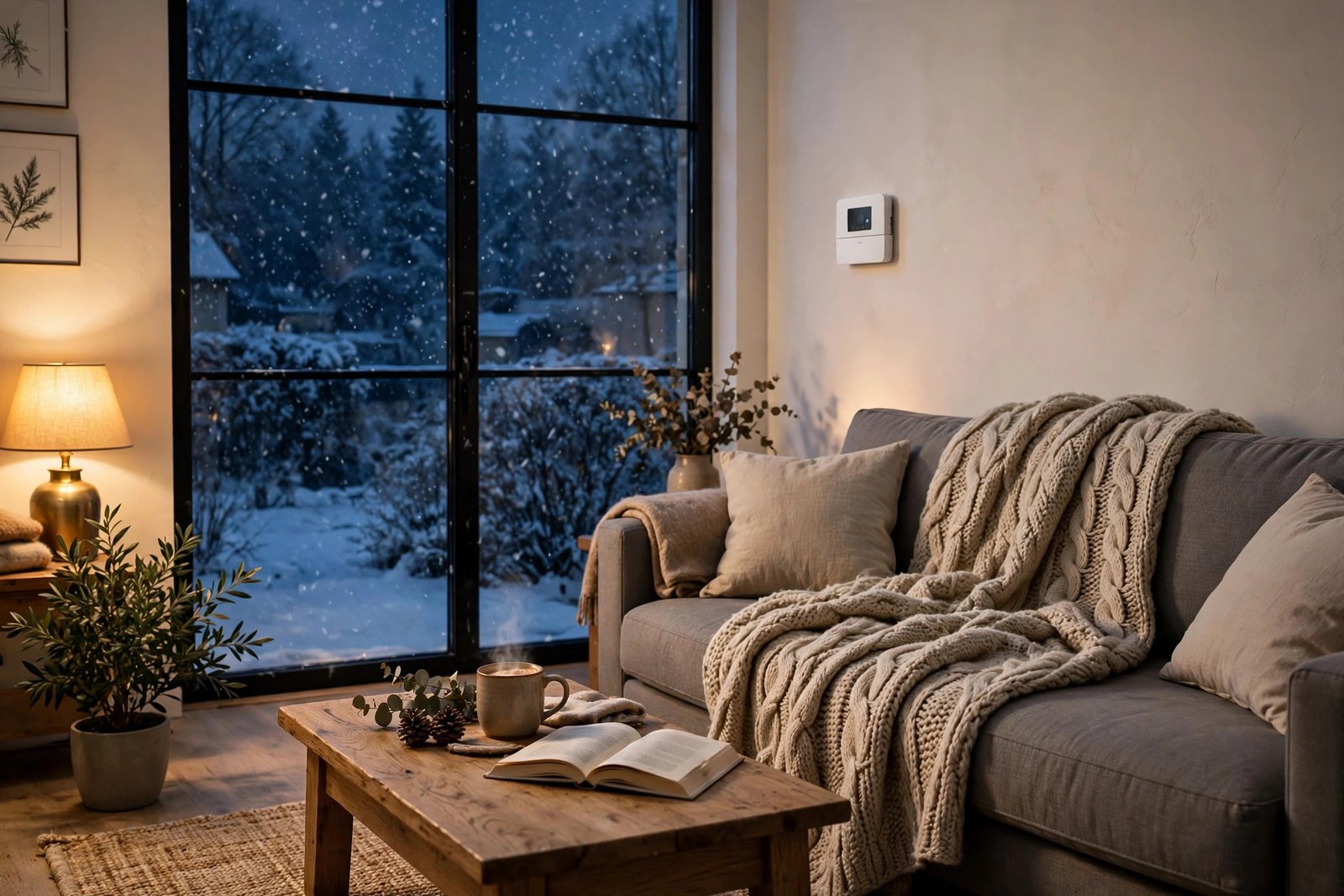
The first cold snap arrives, the heating clicks on, and a few weeks later the electric bill lands with a thud. Winter is the most expensive season for most households: the heating runs longer, the sun sets earlier, and every light is on by five in the afternoon. Learning how to lower your electric bill in winter is not about shivering in the dark. It is about stopping waste you cannot see — heat leaking through gaps, a water heater working harder than it needs to, and appliances drawing power all night.
The good news is that most savings come from small, cheap fixes rather than big renovations. Turning a dial down a few degrees costs nothing. Below are 21 practical ways to cut winter electricity use, grouped by where the energy goes: heating, drafts, hot water, lighting, and everyday habits. Start with the free ones tonight and work through the rest over a weekend.
Why Winter Bills Climb So High
Heating and cooling together account for roughly half of a typical household’s annual energy use, according to the U.S. Energy Information Administration, and in winter almost all of that is heating. The second-biggest slice is water heating, followed by lighting and appliances. That is why the tips below start with the thermostat and the building itself rather than unplugging phone chargers. Small savings on a small load are still small; big savings come from the big loads.
How to Lower Your Electric Bill in Winter: Tame the Thermostat
1. Turn the Thermostat Down a Few Degrees
The U.S. Department of Energy suggests 68°F (20°C) while you are home and awake in winter, and lower while you are asleep or away. Most people adjust within a few days, especially with a sweater and warm socks. The saving is real: the Department of Energy says turning your thermostat back 7 to 10°F for 8 hours a day can save as much as 10% a year on heating and cooling. See the Department of Energy thermostat guide before you touch any settings.
2. Set Back the Temperature Overnight
You do not need a warm house while you are asleep under a blanket. Dropping the thermostat by 7 to 10°F overnight is where the Department of Energy’s 10% figure comes from, The old worry that reheating in the morning costs more than you saved is a myth for most systems: a house loses heat more slowly at a lower indoor temperature, so the longer it sits cooler, the more it saves.
3. Program It So You Never Have to Think About It
A schedule you have to remember is a schedule you will forget. If your thermostat is programmable, set four periods: warm when you wake, cooler while the house is empty, warm again for the evening, and cooler overnight. Set the morning warm-up to finish about half an hour before you get up. If your thermostat is old or hard to program, a smart thermostat can pay for itself: ENERGY STAR estimates a certified smart thermostat saves about 8% of heating and cooling bills on average, or around $50 a year. Check for a rebate from your electricity provider first.
Stop the Heat Escaping
4. Find the Drafts With a Candle
Here is how to lower your electric bill in winter with a candle and ten minutes. On a cold, windy day, hold a lit candle or a thin strip of tissue near window frames, door frames, electrical outlets on exterior walls, and anywhere pipes pass through a wall. If the flame flickers, warm air is escaping there right now. Walk the whole house and make a list. Most homes have a dozen small leaks, and together they can add up to the equivalent of leaving a window open all winter.
5. Seal Windows and Doors With Weatherstripping
Self-adhesive foam tape costs a few dollars a roll and takes minutes to fit around a window frame or door. Caulk fills the fixed gaps where a window frame meets the wall. Do the worst rooms first, usually the living room and the bedrooms, and do not forget the door to an unheated garage or basement.
6. Fit Draft Excluders and Door Sweeps
The gap under an exterior door is one of the biggest single leaks in many homes, and one of the cheapest to fix. A brush or rubber door sweep screwed to the bottom of the door seals the gap while still letting the door swing freely. A fabric draft excluder, the long sausage-shaped cushion, does the same job with no tools at all.
7. Use Curtains as Insulation
Windows lose heat far faster than walls, and curtains are a surprisingly effective extra layer. Heavy, lined curtains drawn at dusk trap a pocket of still air between the fabric and the glass, and that pocket does real insulating work. Open them on sunny winter mornings to let the sun warm the room for free, then close them the moment the light fades.

Heating System Tune-Up
8. Change the Furnace Filter and Clear the Vents
A clogged filter makes your heating system work harder to push the same amount of warm air, and it does it all winter long. Check the filter monthly during the heating season and replace it when it looks grey and dusty, which for most homes is every one to three months. While you are at it, make sure no vent or radiator is blocked by furniture, curtains, or a pile of winter coats. A sofa pushed against a radiator is heating the back of the sofa.
9. Reverse Your Ceiling Fans
Most ceiling fans have a small switch on the motor housing that reverses the blades. In winter, set the fan to run clockwise at a low speed. Instead of pushing a breeze down onto you, it gently pulls cool air up and pushes the warm air collected near the ceiling back down the walls and into the room.
10. Bleed Radiators and Balance the Heat
If you have hot-water radiators, one that is warm at the bottom and cold at the top has trapped air in it, taking up space hot water should occupy. Bleeding it with a radiator key takes two minutes and a small towel, and the difference is immediate. Just do not let an unused room drop close to freezing, or pipes become the problem instead.
Water Heating: The Second-Biggest Bill
Water heating accounts for about 18% of a typical home’s energy use, according to the Department of Energy. That makes it the second place to look when you want to know how to lower your electric bill in winter.
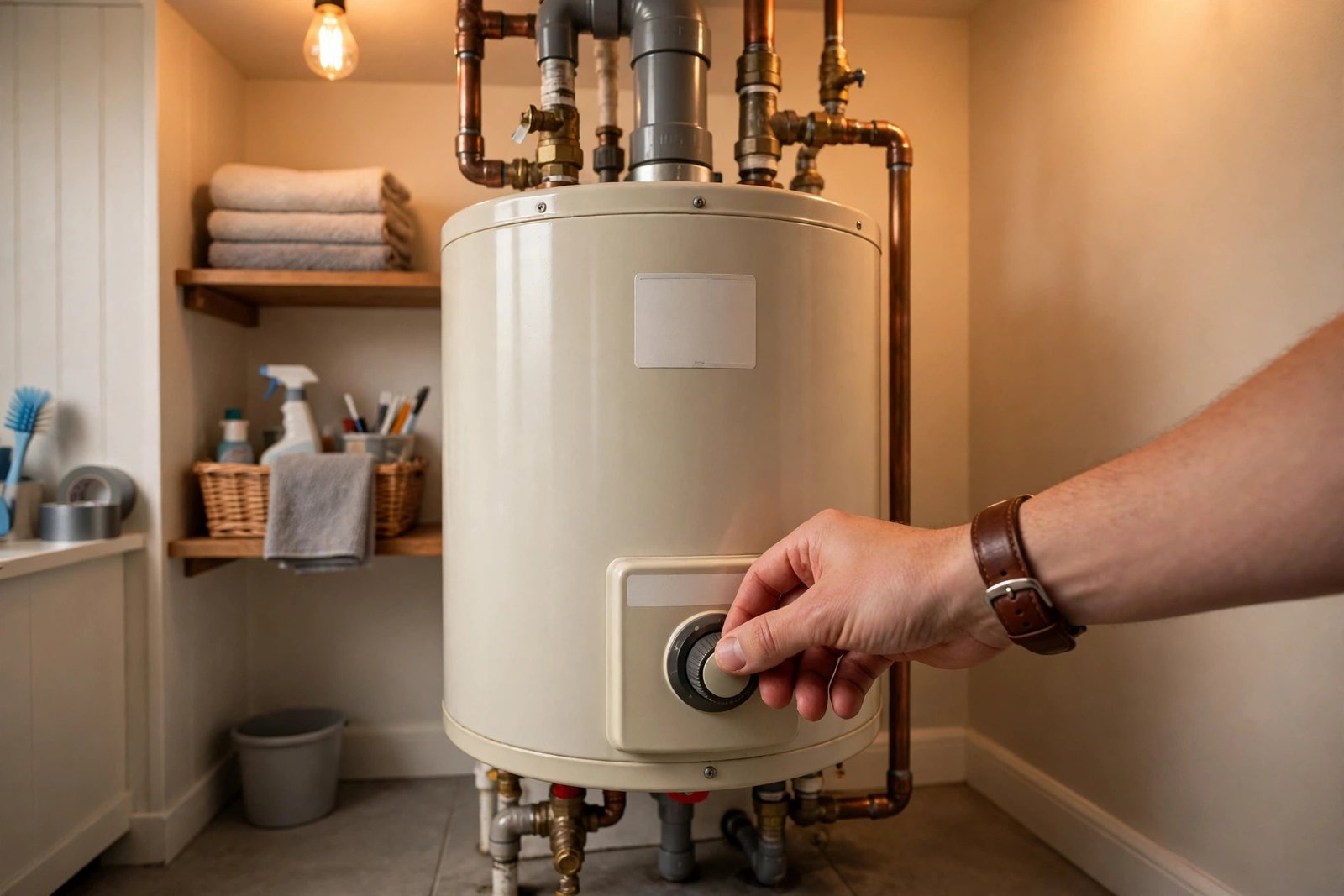
11. Turn the Water Heater Down to 120°F
Many water heaters arrive from the factory set to 140°F, which is hotter than most households need. The Department of Energy recommends 120°F for most homes, and the saving is measurable: turning the temperature down can cut water-heating costs by 4% to 22% a year. At 120°F the water is still hot enough for showers, laundry, and dishes, and it sharply reduces scald risk. The Family Handyman guide to water heater temperature walks through how to adjust the dial safely.
12. Insulate the Tank and the First Few Feet of Pipe
An uninsulated hot-water tank loses heat to the room around the clock, and the heater fires up again and again just to replace it. A water-heater insulation blanket, fitted according to the manufacturer’s instructions, slows that loss. Insulating the first few feet of hot-water pipe leaving the tank does the same for water on its way to your taps, so the shower reaches temperature faster.
13. Take Shorter Showers and Fix Drips
Every extra minute in a hot shower is hot water your heater had to make and keep hot. Cutting a ten-minute shower to five roughly halves the hot water that shower uses, and a low-flow showerhead does the same job without you having to think about it. A dripping hot tap deserves the same attention: one drip per second wastes a surprising amount of water over a month, and if the drip is hot, you are paying to heat water that goes straight down the drain.
Lighting in the Dark Months
14. Switch the Bulbs You Use Most to LEDs
ENERGY STAR certified LED bulbs use about 75% less energy than standard incandescent bulbs and last 10 to 25 times longer, according to the ENERGY STAR lighting guide. You do not need to replace every bulb on day one. Start with the ones that burn longest: the living room, the kitchen, and the hallway. A 60-watt incandescent replaced by a 9- or 10-watt LED gives the same light for roughly a sixth of the electricity.
15. Put Lights on Timers and Use Daylight First
Outdoor and porch lights are the classic winter waste: switched on at dusk and forgotten until morning. A timer or a dusk-to-dawn sensor ends that entirely, and a motion sensor does the same for a light that only needs to be on when someone is actually there. Indoors, turn lights off when you leave a room, and let the low winter sun do the work during the day.
Appliances and Everyday Habits
16. Wash Clothes in Cold Water
Most of the energy a washing machine uses goes to heating the water, not turning the drum. Modern detergents are designed to work in cold water, and for everyday laundry a cold wash cleans just as well while cutting that heating cost to nothing. Run full loads too: two half loads use roughly twice the water and electricity of one full load.
17. Run the Dishwasher Full and Skip the Heated Dry
A dishwasher uses less water and energy than washing the same dishes by hand, but only when it is full. Wait until it is genuinely loaded before running it, and use the eco or normal cycle rather than heavy-duty unless the dishes really need it. The heated-dry cycle is the part you can most easily skip: open the door at the end of the wash cycle and let the dishes air-dry.
18. Hunt Down the Phantom Loads
Many devices draw power even when they appear to be off: televisions on standby, game consoles, chargers left plugged in, a printer waiting for a job that never comes. Individually each one is small, often just a few watts, but across a whole house and a whole winter they add up to a real line on the bill. Put entertainment equipment on a power strip and switch it off at the strip when you are done, and unplug chargers when nothing is charging.
19. Use a Space Heater Sparingly, and Only Where You Sit
A space heater can save money or waste it, and the difference is entirely about how you use it. Heating one occupied room with a small electric heater while the rest of the house sits a few degrees cooler can be cheaper than heating the whole house to full comfort. Heating a draughty room with a space heater while the central heating runs at full blast is just paying twice.
Track It and Keep the Savings
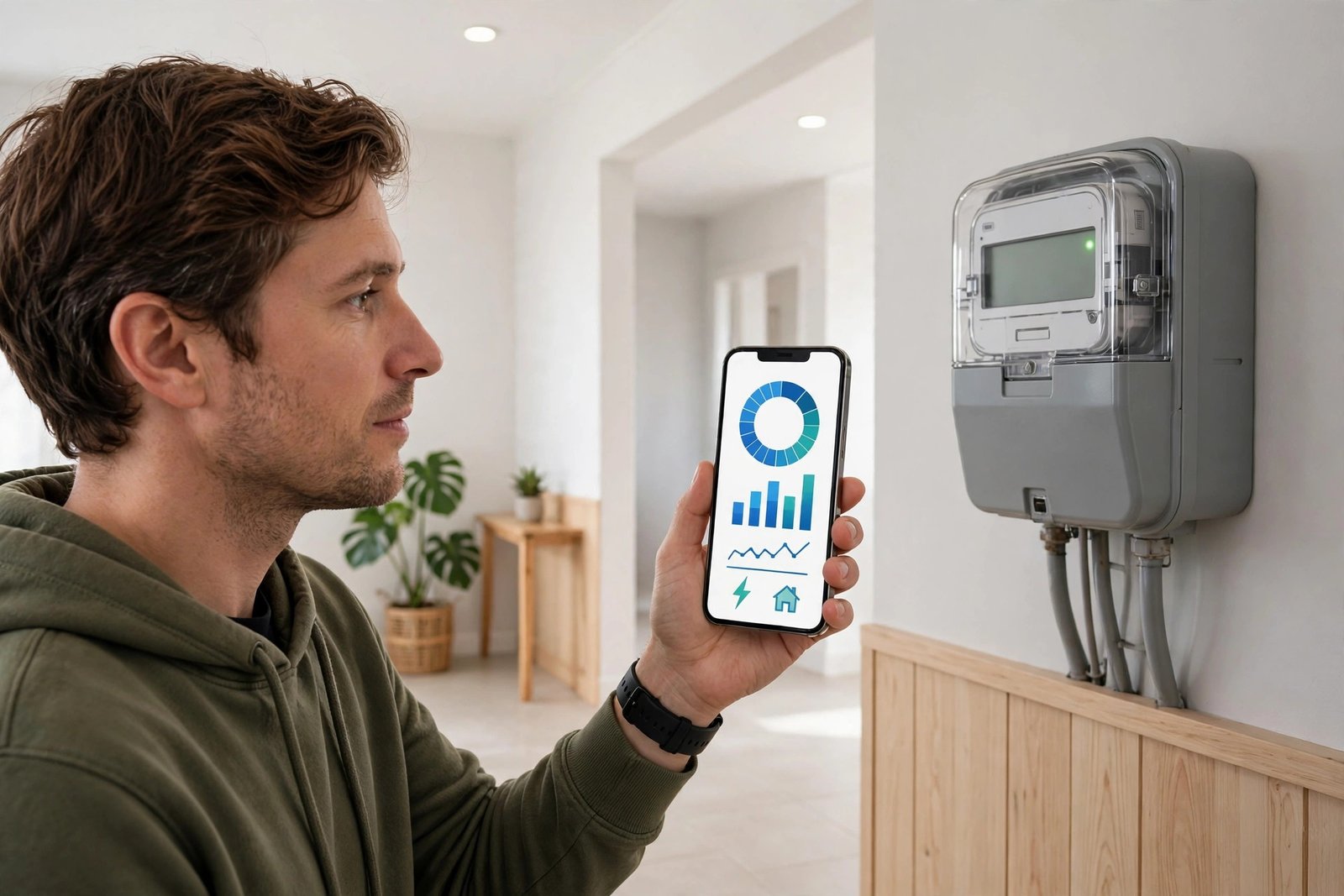
20. Track Your Usage Weekly, Not Monthly
Most people only look at their electricity use when the bill arrives, which is thirty days too late to change anything. Many providers now show daily or even hourly usage in an app or online account. For a fuller plan on keeping household costs under control through the cold months, see our guide on how to winterize your home, which covers the same ground from the whole-house angle, including insulation and pipe protection.
21. Check Your Tariff Before Winter Peaks
Finally, the cheapest kilowatt-hour is sometimes just a different contract. Some providers offer time-of-use tariffs where electricity costs less overnight or outside peak hours. If yours does, shifting the dishwasher, the washing machine, and any charging to off-peak hours can cut the cost of the same electricity without using a watt less. Check whether any energy-efficiency rebates apply to your home. The Green Conserve water heater guide also explains why the 120°F setting matters for both safety and savings. If money is tight overall, our guide on how to budget on a low income can help, and a water heater replacement cost guide tells you what to expect if your tank is old enough that replacement beats repair.
Frequently Asked Questions
What temperature should I set my thermostat to in winter?
The Department of Energy suggests 68°F while you are home and awake, and 7 to 10°F lower while you are asleep or away. Turning the thermostat back 7 to 10°F for 8 hours a day can save as much as 10% a year on heating and cooling costs.
Does turning the heat down at night really save money?
Yes. A house loses heat more slowly at a lower indoor temperature, so the energy saved during the hours it sits cooler outweighs the energy used to warm it back up.
What is the cheapest way to lower your electric bill in winter?
The free changes come first: lower the thermostat a few degrees, set it back overnight, close curtains at dusk, wash clothes in cold water, and turn lights off. The cheapest paid fixes are weatherstripping, draft excluders, and LED bulbs for the lights you use most.
Should I set my water heater to 120°F?
For most households, yes. The Department of Energy recommends 120°F, Turning it down from 140°F can save 4% to 22% a year on water-heating costs.
Do LED bulbs really make a difference in winter?
Yes, ENERGY STAR certified LEDs use about 75% less energy than incandescent bulbs for the same brightness and last 10 to 25 times longer.
Is a space heater cheaper than central heating?
Only when it heats one occupied room while the rest of the house is set cooler. Running a space heater on top of central heating at full temperature costs more, not less.
Conclusion
Learning how to lower your electric bill in winter comes down to a simple order of operations: heat less of the house to a lower temperature, stop the heat escaping, heat water only as hot as you need it, and light only the rooms you are using. None of the 21 steps above requires a renovation, and most cost nothing or close to it. The bill that arrives in February will tell you whether it worked, and for most households, it will.



