
Credit Card vs Debit Card: Which Should You Use Every Day?

Most of us reach for a card without thinking. You tap, you pay, you move on. But the card you reach for matters more than most people realize — and the difference between a credit card and a debit card is not just about where the money comes from. It affects your fraud protection, your credit score, the rewards you earn, and what happens if something goes wrong. The credit card vs debit card question is one of the most practical money decisions you make every day, and most people have never been given a straight answer to it.
This guide gives you that answer: how each card works, the side-by-side comparison, the fraud-protection gap that matters most, the real cost of borrowing with current Federal Reserve data, and a simple verdict on when to reach for each. Note: this is general educational content only, not personal financial advice. If you need advice about your own situation, talk to a qualified financial adviser.
How Each Card Works
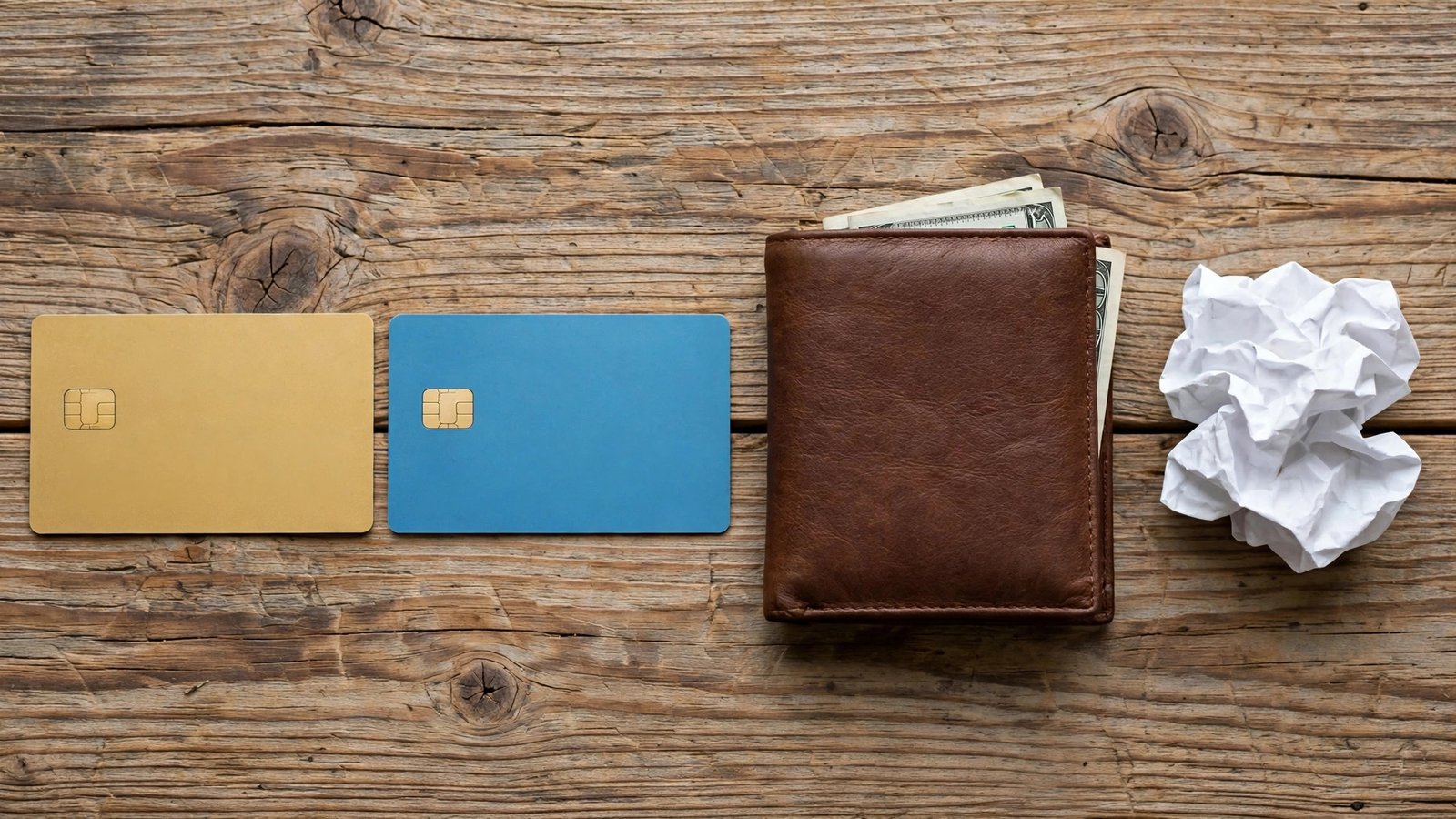
A credit card and a debit card look almost identical — same size, same chip, same tap-to-pay — but the money moves in opposite directions. When you pay with a credit card, the card issuer pays the merchant, and you repay the issuer later. Your purchases build up on a statement, and you settle the balance at the end of the billing cycle. When you pay with a debit card, the money leaves your checking account immediately. There is no statement, no bill, and no borrowing: you are spending money you already have.
That single difference drives everything else in the credit card vs debit card comparison. Because a credit card is a loan, the issuer charges interest if you carry a balance — and it reports your payment behaviour to the credit bureaus, which builds (or damages) your credit history. Because a debit card spends your own money, there is no interest and no effect on your credit score at all. The Consumer Financial Protection Bureau’s explanation of credit cards is a good starting point if you want the official definitions, and it confirms the same basic mechanics described here.
Both cards have spending limits, but they work differently. A credit card has a credit limit set by the issuer — the maximum you can borrow. A debit card is limited by your account balance: you cannot spend more than you have, unless your bank allows overdrafts, which usually come with fees. That makes debit cards a natural budgeting tool for people who struggle with overspending, and credit cards a useful tool for people who want the protections and rewards that come with borrowing — as long as they pay the balance in full.
Credit Card vs Debit Card: Side-by-Side Comparison
The table below lays out the differences at a glance. The sections that follow explain the three rows that matter most: fraud liability, credit building, and interest.
| Feature | Credit card | Debit card |
|---|---|---|
| Source of funds | The issuer’s money — you repay later | Your checking account — money leaves immediately |
| Spending limit | Credit limit set by the issuer | Your account balance |
| Interest | Charged on balances carried past the due date; no interest if paid in full (grace period of at least 21 days) | None — you are spending your own money |
| Builds credit | Yes — on-time payments build credit history | No — never affects your credit score |
| Fraud liability | Capped at $50 by law; $0 if only the card number was stolen | $50 if reported within 2 business days, up to $500 after that, potentially unlimited after 60 days |
| Rewards | Common — cashback, points, travel miles | Rare — a few banks offer small rewards |
| Fees | Annual fees on some cards; late-payment fees; interest | Overdraft fees; out-of-network ATM fees |
| ATM cash | Cash advance — expensive, interest from day one | Free at your bank’s ATMs; the natural way to get cash |
| Budgeting control | Easy to overspend — the money feels borrowed | Strong — you can only spend what you have |
Fraud Protection: The Gap That Matters Most
If there is one reason to understand the credit card vs debit card choice, it is fraud protection. The two cards are governed by different laws, and the difference in your liability is dramatic. For credit cards, the Truth in Lending Act and Regulation Z cap your liability for unauthorized charges at $50 — and if only the card number was stolen, rather than the physical card, your liability is $0. In practice, most issuers waive even the $50, so a fraudulent credit card charge usually costs you nothing. Your money is never touched while the dispute is resolved, because the charge was made against the issuer’s money, not yours.
Debit cards are governed by the Electronic Fund Transfer Act and Regulation E, and the protection is weaker — and time-sensitive. If you report a lost or stolen debit card within two business days, your liability is capped at $50. If you report it after two business days, your liability rises to $500. And if you wait more than 60 days after the statement showing the unauthorized transaction, your liability can be unlimited. Worse, the fraudulent charges come directly out of your checking account, so your money is gone while the bank investigates — and bills, rent, and other payments can bounce in the meantime.
The practical advice follows from the law: use a credit card for online shopping, travel bookings, and unfamiliar sellers, because the fraud protection is stronger and your own money is never at risk. Use a debit card at trusted ATMs and for everyday purchases where you want the budgeting discipline. The gap is not a small detail — it is the single biggest practical difference between the two cards, and it is the reason financial advisers consistently recommend credit cards for purchases where fraud is a real risk.
Credit Building: Only One Card Helps
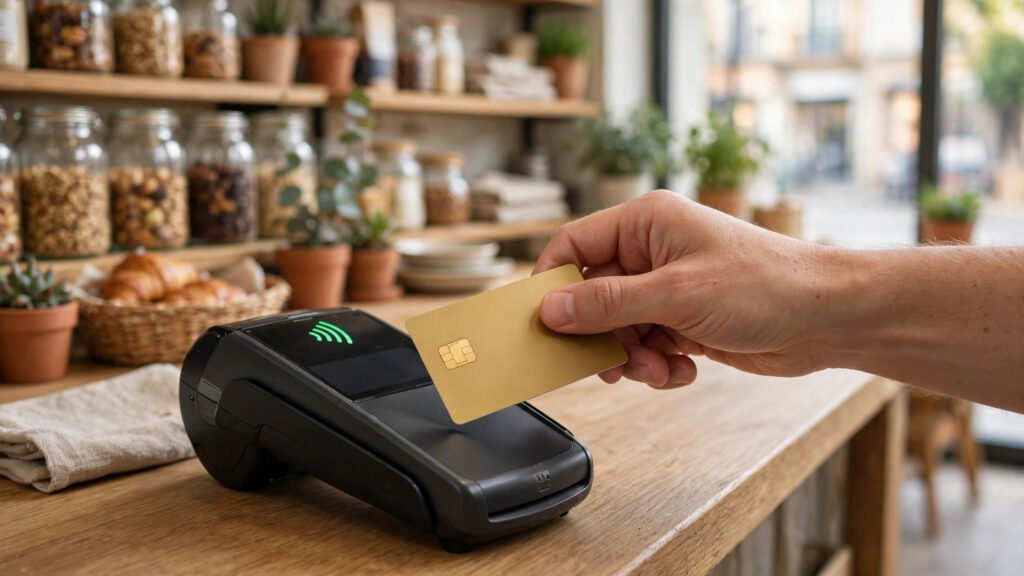
Credit cards build credit history; debit cards never do. Every on-time credit card payment is reported to the credit bureaus, and over time that history becomes the foundation of your credit score — which affects your ability to rent an apartment, get a car loan, or buy a home, and the interest rate you will pay when you do. A debit card, no matter how responsibly you use it, contributes nothing to that history, because you are not borrowing anything.
That does not mean you should get a credit card just to build credit. A credit card only helps if you pay on time, every time. A single late payment damages your score, and a card that is maxed out hurts it too, because high utilization — the share of your credit limit you are using — is a major factor in credit scoring. The safest way to build credit with a card is to use it for small, regular purchases you would make anyway, set up autopay for the full statement balance, and never carry a balance. Used that way, a credit card is a credit-building tool that costs nothing. Used the other way — carrying a balance and paying interest — it is one of the most expensive ways to borrow.
If you are starting from scratch, a secured credit card is the usual first step: you put down a deposit, which becomes your credit limit, and you use the card normally. After six to twelve months of on-time payments, most issuers will upgrade you to a regular card and return the deposit. Our guide on how to start a Roth IRA covers another long-term financial habit worth starting early, and it pairs well with the credit-building discipline described here.
Rewards, Fees, and the Real Cost of Borrowing
Rewards are the most visible advantage of credit cards in the credit card vs debit card comparison. Cashback cards return a percentage of every purchase, travel cards earn points or miles, and some cards offer sign-up bonuses worth hundreds of dollars. Debit cards rarely offer rewards, and when they do, the return is small. If you pay your credit card in full every month, rewards are effectively free money — the issuer pays you to use its card. But the maths only works if you never pay interest. A card that returns 2% cashback while charging 22% interest is a bad deal the moment you carry a balance.
And the interest is high. According to the Federal Reserve’s G.19 release, the average APR on credit-card accounts assessed interest was 22.15% in Q2 2026 and 22.36% in Q3 2026 — 21.19% across all accounts, including those that pay in full. Those are Nov 2026 snapshots from the Federal Reserve’s published data, and they mean a $1,000 balance carried for a year at 22% costs roughly $220 in interest. Total US credit-card debt stood at $1.263 trillion as of Q2 2026, also per the Federal Reserve — a reminder of how many people are paying that interest. You can check the current figures yourself in the Federal Reserve G.19 release.
Fees are the other side of the cost picture. Some credit cards charge annual fees, typically in exchange for better rewards, and late-payment fees apply if you miss a due date. Debit cards do not have annual fees, but they do have overdraft fees — often $30 or more per transaction — and out-of-network ATM fees. The One Smart Dollar comparison of debit and credit cards and the Wealthsimple credit vs debit guide both walk through the fee structures in more detail, and both reach the same conclusion: the cheapest card is the one whose fees you never trigger.
One more number worth knowing: in 2024, credit cards accounted for 35% of consumer payments in the US, versus 30% for debit cards, according to the Federal Reserve. Credit cards have pulled ahead as the more popular payment method — and the fraud protection and rewards are a large part of why. If you want to compare reward cards, our guide on cashback vs travel rewards credit cards breaks down which type suits which spender.

When to Use Which Card
Here is the simple verdict in the credit card vs debit card debate. Use a credit card for everyday purchases if — and only if — you pay the balance in full every month. That is the condition that makes credit cards the better choice: you get the fraud protection, the rewards, and the credit building, and you pay nothing for them. Set up autopay for the full statement balance, keep your spending within what you can repay, and the card works for you.
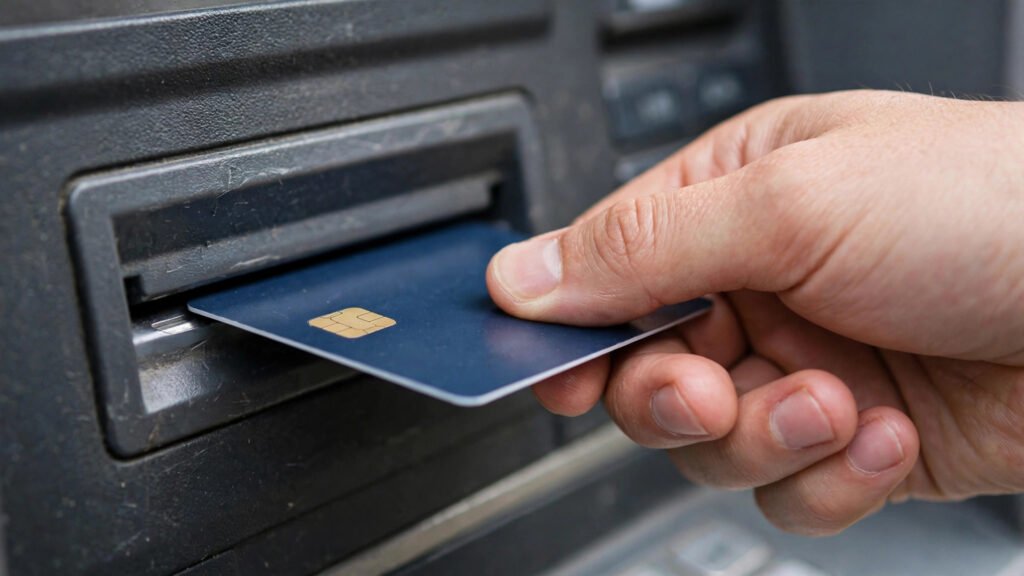
Use a debit card in three situations. First, for ATM cash — a credit card cash advance is one of the most expensive ways to get money, with interest charged from day one and no grace period. Second, if you carry a balance or struggle with budgeting: a debit card’s hard limit — you can only spend what you have — is a genuine safeguard, and no rewards are worth 22% interest. Third, for purchases where you want the money out of your account immediately, such as a large purchase you have saved for and want to close the book on.
If you are working on paying down debt, the answer is clear: use debit until the credit card balance is gone. Interest on a carried balance wipes out any reward many times over, and our guide on how to pay off debt fast has a step-by-step plan for getting to zero. Once you are debt-free, you can switch everyday spending back to a credit card — paid in full, every month — and let the rewards and protections work in your favour.
Frequently Asked Questions
Is it better to use a credit card or a debit card?
For most people who pay their balance in full every month, a credit card is better: stronger fraud protection, rewards, and credit building, at no cost. If you carry a balance or struggle with budgeting, a debit card is better, because you can only spend what you have and you pay no interest.
Can someone steal money from my account with a debit card?
Yes — and that is the key risk. Fraudulent debit charges come directly out of your checking account, and your liability depends on how fast you report it: $50 within two business days, up to $500 after that, potentially unlimited after 60 days. Credit card fraud is capped at $50 by law and $0 if only the number was stolen.
Does using a debit card build credit?
No. Debit cards never affect your credit score, because you are spending your own money rather than borrowing. Only credit products — credit cards, loans, and similar accounts — are reported to the credit bureaus. To build credit, you need a credit card or another credit account, used responsibly and paid on time.
What is the grace period on a credit card?
The grace period is the time between the end of your billing cycle and the payment due date — at least 21 days by law. If you pay the full statement balance by the due date, you pay no interest on your purchases. If you carry any balance past the due date, interest applies, and the grace period may not apply to new purchases.
Why is my credit card APR so high?
Credit card interest rates are high because the lending is unsecured — the issuer has no collateral if you do not pay. The average APR on accounts assessed interest was 22.15% in Q2 2026 and 22.36% in Q3 2026, per the Federal Reserve. The rate matters only if you carry a balance; paying in full every month means you never pay it.
Should I close a credit card I don’t use?
Usually not, unless it charges an annual fee you are not getting value from. Closing a card reduces your total available credit, which can raise your utilization ratio and lower your score, and it shortens your average account age. If the card is free, keeping it open and using it occasionally is usually better for your credit.
Conclusion
The credit card vs debit card decision comes down to one question: will you pay in full every month? If the answer is yes, a credit card is the better everyday tool — stronger fraud protection, real rewards, and a credit history that opens doors. If the answer is no, or not yet, a debit card is the smarter choice, because it keeps you inside your means and charges no interest. Use credit for purchases where fraud is a risk and debit for cash and for keeping spending in check, and the two cards stop competing and start complementing each other. That is the real answer: it is not which card wins, but knowing when to reach for each one.



