
Best Winter Boots 2026: 7 Picks for Snow, Ice, and Slush
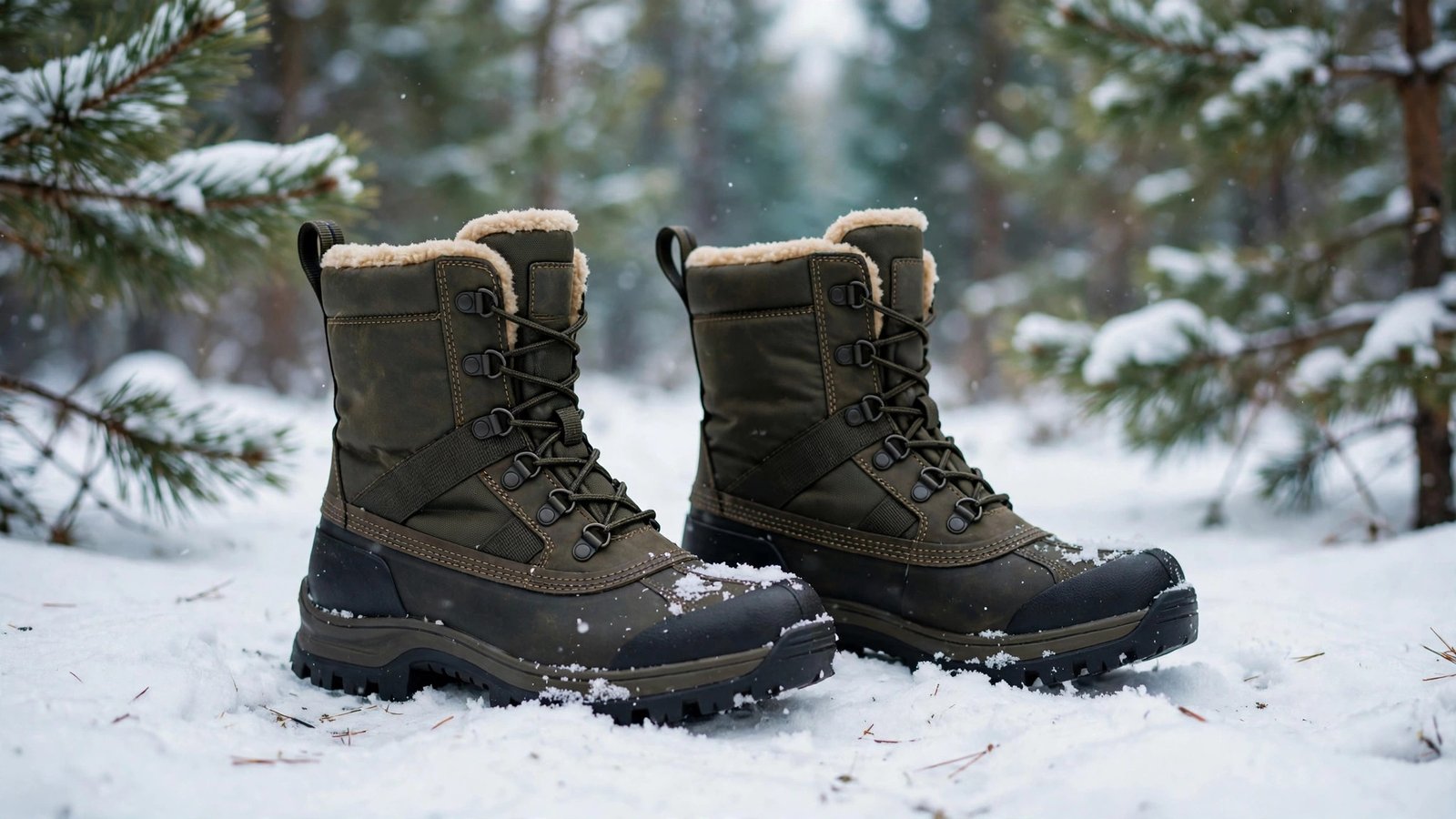
A good pair of winter boots is the difference between a season you enjoy and a season you endure. Cold feet cut walks short. The best winter boots 2026 has to offer fix that: they keep water out, hold warmth in, and grip when the pavement turns to glass. This guide rounds up seven pairs — for commuting, deep snow, glare ice, tight budgets, wide feet, and men’s and women’s fits.
Every price below is a list price checked in November 2026, and every temperature rating is the manufacturer’s own claim — there is no shared industry test behind them, so one brand’s minus 40 degrees is not the same as another’s.
How We Picked the Best Winter Boots 2026
We started with the boots independent testers keep recommending — the models in hands-on winter boot reviews from Outdoor Gear Lab, CleverHiker, Switchback Travel, and GearJunkie — and checked each against five questions: waterproof? Warm enough? Grip on ice? Comfortable for hours? Price honest?
Prices here are list prices checked in November 2026; boots go on sale constantly, so treat these as full-price expectations. Prices vary by size and colour.
The 7 Picks at a Glance
The short version: every boot below is fully waterproof and insulated — the differences are warmth, weight, grip, and price.
| Boot | Best for | Price (Nov 2026) | Insulation | Temp. rating* |
|---|---|---|---|---|
| The North Face Chilkat V 400 | Daily commute | $170 | 400g synthetic | Not published |
| Sorel Caribou | Deep snow | $250 | 9mm felt liner | -40°F |
| Muck Boot Arctic Ice Tall | Ice grip | $210 | 8mm neoprene | -60°F to 30°F |
| Columbia Bugaboot III | Budget | $130 | 200g synthetic | -25°F comfort |
| KEEN Revel IV Polar | Wide feet | $200 | 200g / 400g | -25°F / -40°F |
| UGG Adirondack III | Women’s pick | $250 | 200g wool | -32°C |
| Merrell Thermo Chill 2 Mid | Men’s pick | $150 | 200g synthetic | Not published |
*Each brand’s own claim, not a shared standard. Treat ratings as a rough guide.
The 7 Best Winter Boots, Reviewed
Every boot in this best winter boots 2026 roundup earns its place for a different reason — read the pick that matches your winter.
1. The North Face Chilkat V 400 — Best for the Daily Commute
The Chilkat V 400 is the boot we recommend first to most people. It lists at $170 (Switchback Travel lists it at $159) and packs 400g of Heatseeker Eco insulation into a boot that still suits city streets. Outdoor Gear Lab calls it their best overall men’s winter boot.
Its strength is balance: warm enough for a long wait at a bus stop, light enough at just over 3 pounds a pair to walk in all day, and sure-footed on packed snow and slush. The North Face publishes no temperature rating — the 400g of insulation tells you more.
2. Sorel Caribou — Best for Deep Snow
The Sorel Caribou has been the default deep-snow boot since the 1960s. It lists at $250, confirmed by CleverHiker’s November 2026 update and Outdoor Gear Lab, and Sorel rates it to -40°F, thanks to its removable 9mm felt liner.
The Caribou is a pac boot — rubber shell below, leather above — and heavy, around 5 pounds a pair for men. But for shovelling or walking a dog through unploughed fields, that weight buys real protection.
3. Muck Boot Arctic Ice Tall — Best Grip on Ice
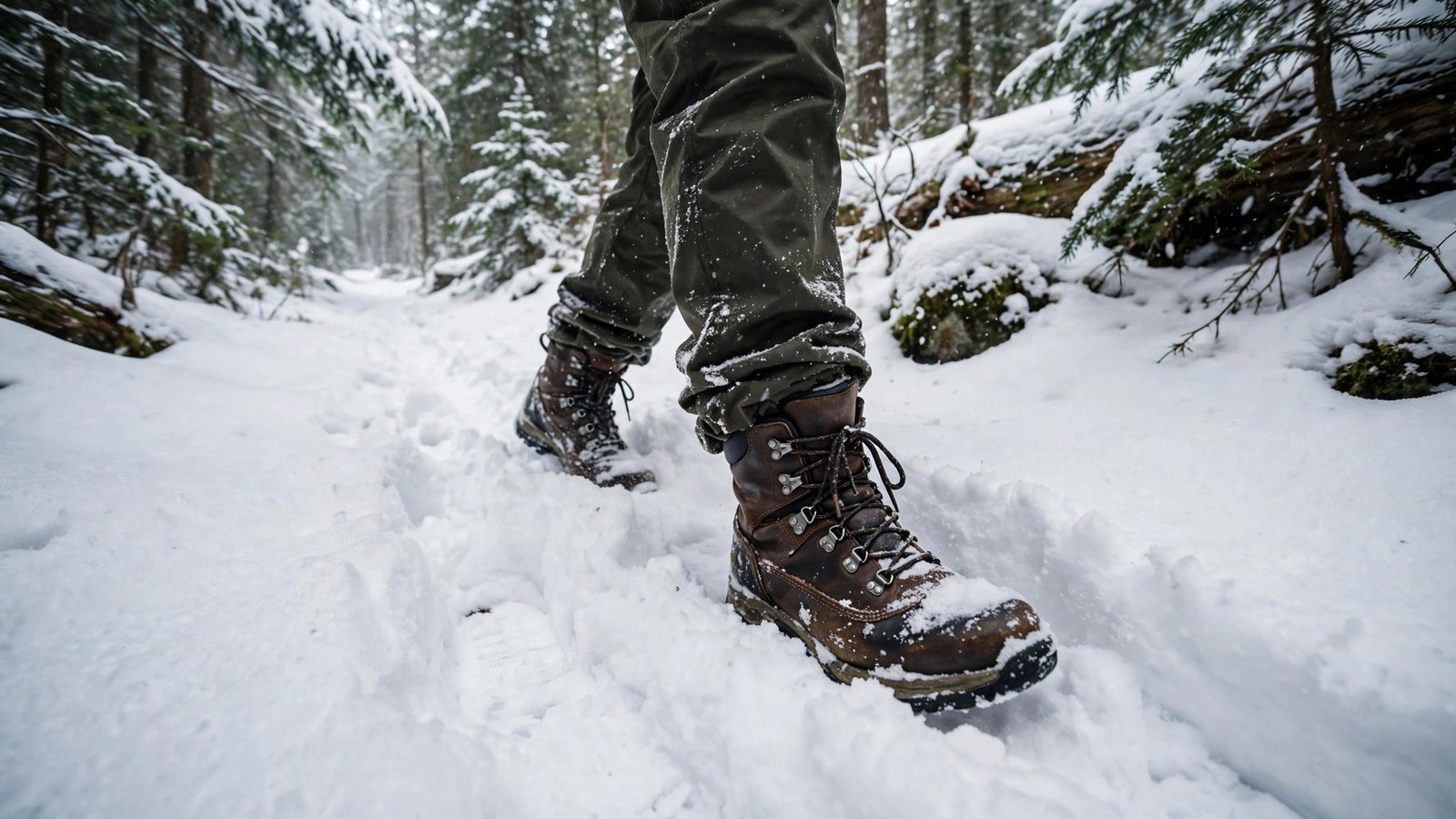
Most winter boots grip snow well and ice badly. The Muck Boot Arctic Ice Tall is built for the opposite problem: the frozen morning when the driveway is a skating rink. It lists at $210, and its Vibram Arctic Grip outsole is designed for wet ice, the slickest surface winter produces. Muck pairs it with an 8mm fleece-lined neoprene bootie, rated -60°F to 30°F.
This pull-on boot stands 16 to 17 inches tall, with a stretch-fit top that seals around the calf and keeps snow out. That height is brilliant for deep slush and chores, but it is a work boot, not a walking boot — heavy and very warm. If your neighbourhood gets freezing rain, this is the boot that keeps you upright.
4. Columbia Bugaboot III — Best Budget Pick
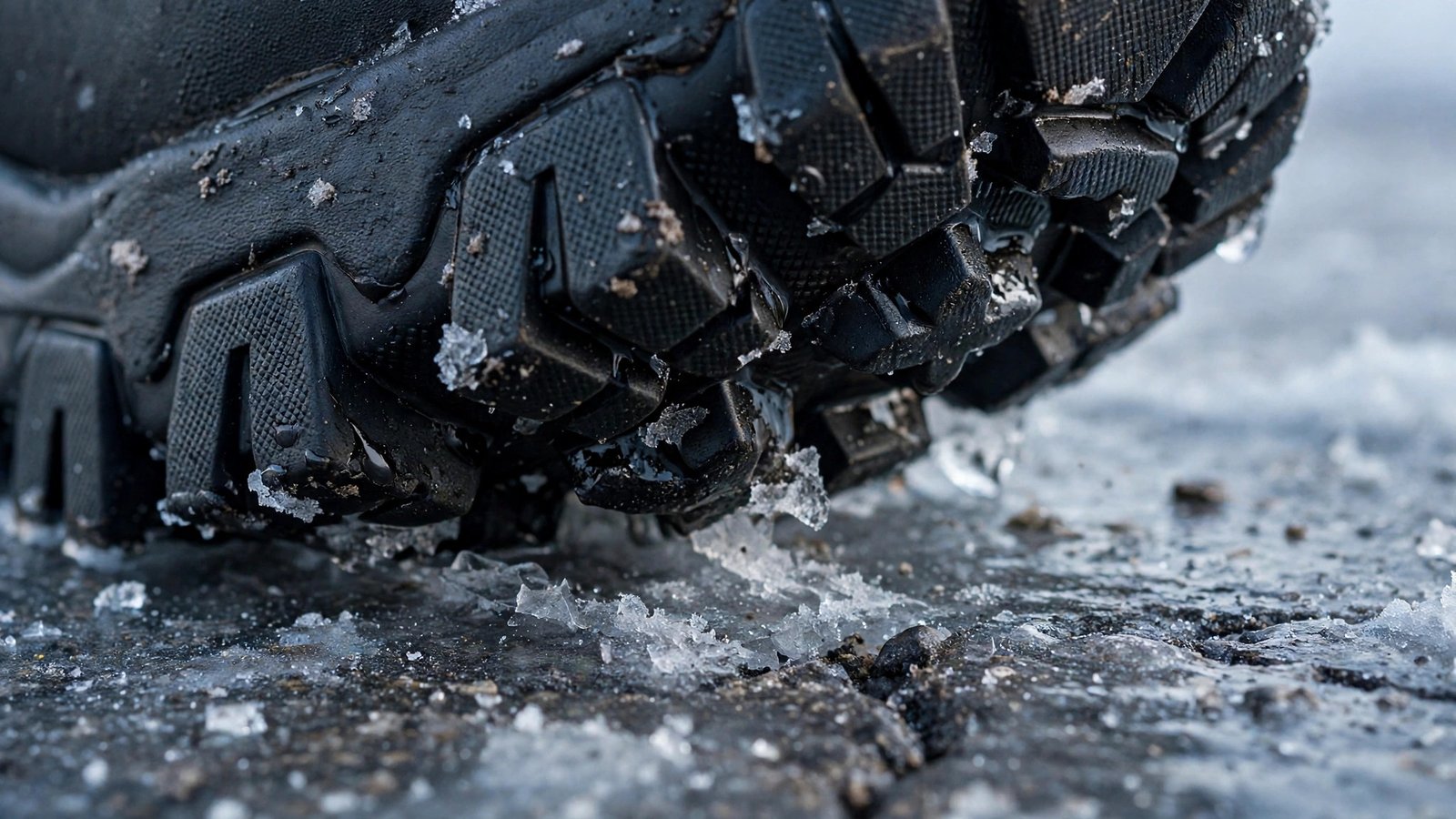
The Columbia Bugaboot III proves you do not need $250 to stay warm and dry. It lists at $130, and was selling for about $127 on Amazon in September 2026. For that you get a waterproof seam-sealed leather upper, a moulded rubber shell, 200g of insulation with Omni-Heat reflective lining, and a lugged Omni-Grip outsole. Dick’s lists its comfort rating at -25°F, though Columbia’s own page publishes no temperature rating.
Testers rate it the best-value winter boot on the market. It is lighter than the Sorel and the Chilkat, comfortable all day and tough enough for shovelling. Its limits are honest: on pure glazed ice it cannot match the Muck’s Arctic Grip sole, and in sustained extreme cold 200g runs out before 400g does.
5. KEEN Revel IV Polar — Best for Wide Feet
Wide feet are the most common reason winter boots get returned, and the KEEN Revel IV Polar is the answer testers keep landing on. Treeline Review names it their best winter boot for wide feet, and it lists at $200. KEEN’s roomy toe box gives toes space to wiggle — cramped toes get cold toes — and it comes in mid and high versions.
The mid version carries 200g of KEEN.WARM insulation and is rated to -25°F; the high version steps up to 400g and -40°F. Both use KEEN’s Polar Traction outsole, rated comparable to Vibram Arctic Grip on ice. If standard-width boots pinch, try the Revel IV in your normal size.
6. UGG Adirondack III — Best Women’s Pick
The UGG Adirondack III is the warmest women’s-focused boot in this guide. It lists at $250, confirmed by CleverHiker’s October 2026 update, and UGG rates it to -32°C (about -25°F). Inside is 200g of insulation plus a 17mm UGGpure wool lining and insole, in waterproof leather and suede with a DryTech bootie. CleverHiker rates it 4.6 out of 5 — the highest score in their women’s roundup.
In testing, the Adirondack stayed dry after two hours submerged in water — a sterner test than any slush puddle. The cuffable shaft can be worn up or folded down, and the White Spider Rubber outsole grips well on snow. It is not a hiking boot and it is not cheap, but for one pair that handles the commute and a snowy weekend, it is the pick.
7. Merrell Thermo Chill 2 Mid — Best Men’s Pick
The Merrell Thermo Chill 2 Mid is the lightest-feeling boot here. It lists at $150, weighs just over 2 pounds a pair, and carries 200g of M Select Warm insulation behind Merrell’s waterproof membrane. Switchback Travel calls it the best winter hiking boot in its class.
What you give up is extreme-cold ability: Merrell publishes no temperature rating, and testers are clear this is a boot for active use, not for standing still in severe cold. What you gain is a boot you can walk miles in without the fatigue a 5-pound pac boot brings.
Waterproofing Ratings, Explained Honestly
“Waterproof” on a boot box does not mean what most people think. A boot can be labelled waterproof and still let water in through the laces or an unsealed seam. The honest question is how it keeps water out.
Look for three things: a waterproof membrane or bootie, a thin inner layer that blocks liquid water while letting some sweat vapour escape; sealed seams, because needle holes leak; and a rubber shell or high rand at the bottom, which stops slush soaking through the part of the boot that sits in water. The Sorel and Muck rely on the rubber shell; the others rely more on membranes and sealed seams.
You will also see waterproofing in millimetres — 5,000mm, 10,000mm, 20,000mm — the height of a water column the fabric resists in a lab test. The number applies only to the fabric, not the finished boot. A 10,000mm boot with unsealed seams leaks before a 5,000mm boot that is properly sealed. Check the construction, not the number. And “water-resistant” is weaker than “waterproof” — it sheds light moisture, it does not survive standing in slush.
Temperature Ratings: What the Numbers Really Mean
Temperature ratings are the most misleading numbers in winter footwear, because no two brands measure them the same way. There is no shared industry test: each brand sets its own rating, usually assuming an active person in warm socks, and the assumptions are rarely printed on the box. That is why some boots here have no published rating — the North Face and Merrell simply do not publish one.
The figures you can compare are insulation weights in grams. Roughly, 200g suits active use down to around 0°F to -10°F, 400g suits colder, less active use, and a thick felt liner handles the coldest days. Activity matters as much as insulation: a 200g boot on a brisk walker stays warmer than a 400g boot on someone standing still. If you stand around a lot in the cold, buy warmer than you think you need.
How to Choose the Right Pair
Shopping for the best winter boots 2026 has on the shelves starts with your actual winter, not someone else’s. Match the boot to the worst day you will realistically face: the coldest morning, the iciest pavement, the deepest snow on your route. A boot bought for an average day fails on the worst day.
Fit matters more than brand. Try boots on in the afternoon, when feet are slightly swollen, wearing the thick socks you will actually wear — ideally merino wool, which insulates even when damp. Toes should wiggle freely; tight boots cut circulation and cold feet follow. If you are between sizes, size up: thick socks fill the extra room. For wide feet, buy a boot built wide, like the KEEN Revel IV Polar.

Height is the other decision most people get wrong. A mid-height boot around 6 inches suits cleared pavements and light snow, but lets snow in the moment you step off the path. For unploughed snow, choose 8 inches or taller; for deep snow, the 16-inch Muck is the honest answer. Laces let you adjust the fit, while a gusseted tongue — attached on both sides — stops snow sneaking in behind the laces.
How to Make Winter Boots Last Longer
Good winter boots last several seasons if you treat them right. Dry them properly: pull out the insoles and liners, stuff the boots loosely with newspaper, and leave them at room temperature away from radiators and direct heat. Heat cracks rubber, dries out leather, and shortens the life of waterproof membranes. Never put winter boots in a tumble dryer.
Clean off road salt after every salty walk — it dries leather out and leaves white stains that become permanent if ignored. Wipe boots with a damp cloth, and condition leather uppers a few times a season. Rotate two pairs if you can: boots that get a full day to dry between wears last noticeably longer. Before the season, check the soles — worn-down lugs are the most common reason an old boot starts slipping.
Winter comfort is a system, not a single purchase. Warm boots pair with warm socks and dry feet, and a warm home to come back to matters just as much. Our guides on the best space heater 2026 picks, the best heated blanket 2026 roundup, and how to insulate windows for winter cover the rest of the cold-season setup. For comparing test data, the winter boots at REI and the winter boot testing guides at Good Housekeeping are useful cross-checks before you buy.
Frequently Asked Questions
How much should I spend on winter boots?
For most people, $130 to $200 buys a boot that lasts several winters. The Columbia Bugaboot III at $130 is the value floor for a genuinely waterproof, insulated boot, and $150 to $200 adds warmth and durability. Above $200 you pay for extreme cold or specialist soles — worth it if your winter demands them.
Are expensive winter boots worth it?
Usually, yes — up to a point. A $250 Sorel Caribou or UGG Adirondack III uses better insulation, tougher rubber, and more careful seam sealing than a $60 boot, and lasts two or three times as long. But a $170 Chilkat is nearly as warm for everyday use. Pay for the features your winter needs.
What temperature rating do I actually need?
Match the rating to your coldest realistic day. If your winter rarely drops below 0°F, a 200g boot rated to -25°F is plenty. If you regularly see -20°F or colder, or stand still outdoors for long periods, step up to 400g insulation or a felt-liner pac boot rated to -40°F. Ratings are not standardised, so compare insulation weight rather than the headline number.
How do I keep my feet warm in winter boots?
Start with the socks: thick merino wool insulates even when damp, while cotton gets cold and stays cold. Make sure the boots are not too tight — cramped toes lose circulation and get cold fast, which is why wide-footed buyers should look at the best winter boots 2026 for wide feet, like the KEEN Revel IV Polar. Keep boots dry between wears.
Can winter boots be worn in rain as well as snow?
Yes — a fully waterproof winter boot handles rain as well as snow, and the rubber shell on pac boots and Muck boots is effectively a rain boot with insulation. The trade-off is warmth: a heavily insulated boot makes your feet sweat on a mild rainy day. For both jobs, a 200g boot like the Merrell Thermo Chill 2 or Columbia Bugaboot III is the most versatile.
How long do winter boots last?
A well-made pair lasts three to five winters of regular use, longer if you rotate two pairs and dry them properly. The first thing to wear out is usually the outsole tread, then the waterproof membrane and heel lining. Replace boots when the tread is worn smooth, when water soaks through despite cleaning, or when the insulation has packed down and no longer feels warm.
Conclusion
The best winter boots 2026 for your winter are the pair that matches your worst day, fits properly, and stays waterproof when the slush gets deep. For most people that is the North Face Chilkat V 400 at $170. For deep snow, the Sorel Caribou at $250 remains the benchmark. For glare ice, nothing here beats the Muck Arctic Ice Tall. And if the budget is tight, the Columbia Bugaboot III at $130 delivers real winter protection for half the price of the premium picks.
Whatever you choose, buy early, try them on with proper socks, and check the price on the day you buy — prices move with sales and stock.



