
How Much Does It Cost to Ship a Package? The 2026 Rates, Explained
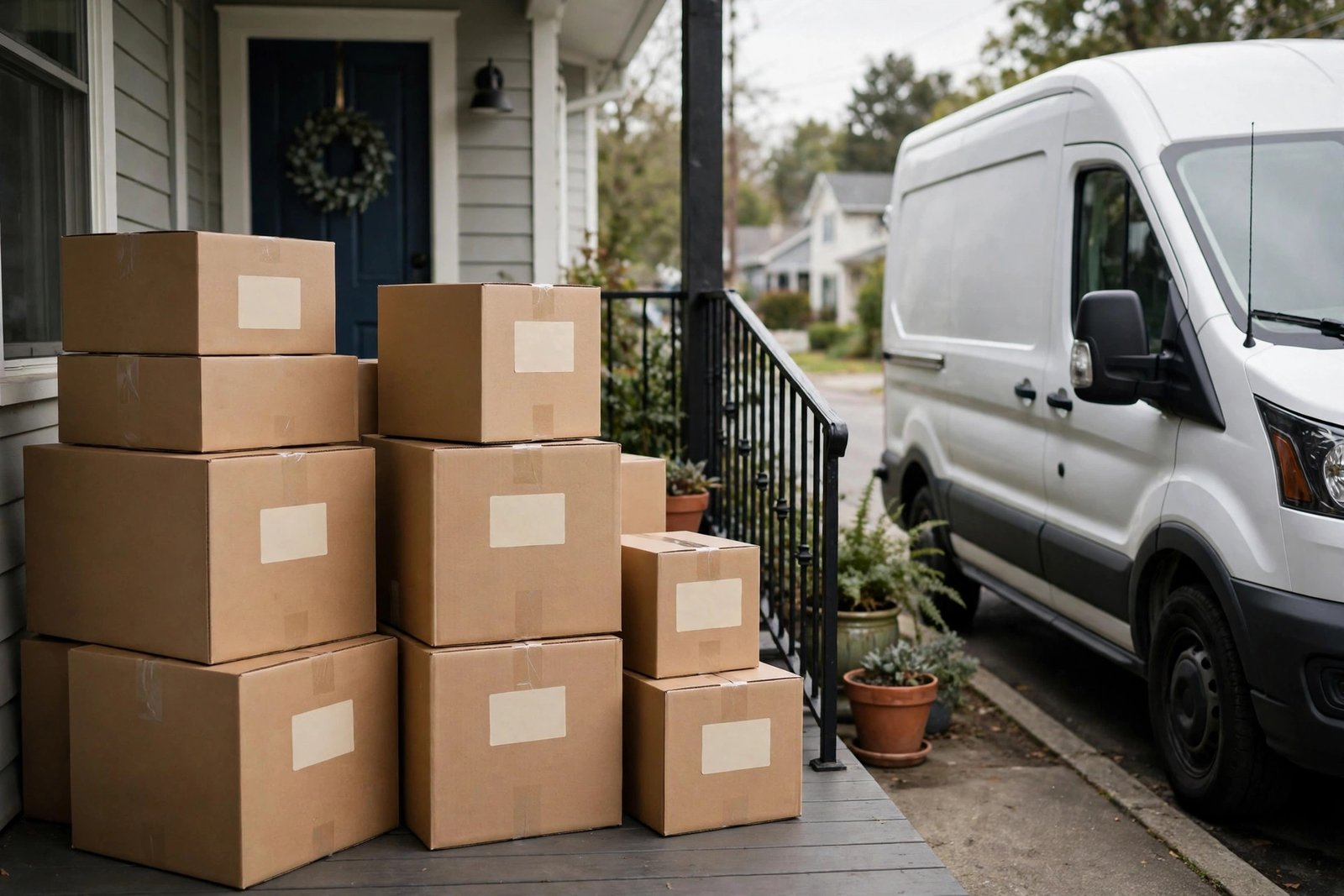
You tape up a box, weigh it on the bathroom scale, and wonder the same thing millions of people wonder every week: how much does it cost to ship a package in 2026? The honest answer is that it depends on four things — weight, distance, size, and speed — and the gap between the cheapest and the most expensive option for the very same box can be fifty dollars or more.
That gap is why so many people overpay. They walk into a carrier store, accept the first price they hear, and never learn the same parcel could have gone for half as much through a different service or a label bought online.
This guide lays out the real 2026 rates from USPS, UPS, and FedEx by weight, explains the surcharges that quietly double a bill, and gives you the verified 2026 holiday shipping deadlines. Every price below comes from the carriers’ own published rate guides.
How Much Does It Cost to Ship a Package by Weight?
If you are sending an ordinary cardboard box inside the United States, here is what the big three carriers charge at retail counter prices in late 2026.
A one-pound package sent a short distance — what the carriers call Zone 2, roughly the next state over — starts at $10.45 with USPS Ground Advantage. The same pound sent coast to coast, Zone 8, costs $13.65. UPS and FedEx Ground list prices from $11.99 for that same one-pound, Zone 2 parcel, and their prices climb faster with distance.
At five pounds, USPS Ground Advantage runs $14.35 to $27.45 depending on the zone. At twenty pounds, the range widens dramatically: $24.20 for a short hop, up to $72.15 cross-country. That spread is the most important thing to understand about shipping costs. Distance matters almost as much as weight.
These are USPS retail prices from Notice 123, effective October 4, 2026 — temporary holiday prices that run through January 17, 2027. The same label bought online, via Pirate Ship or Stamps.com, is usually a few dollars cheaper.
| Weight | USPS Ground Advantage (retail) | UPS Ground (list, from) | FedEx Ground (list, from) |
|---|---|---|---|
| 1 lb | $10.45–$13.65 | $11.99 | $11.99 |
| 5 lb | $14.35–$27.45 | From ~$15 | From ~$15 |
| 20 lb | $24.20–$72.15 | From ~$30 | From ~$30 |
The ranges above run from Zone 2 to Zone 8. A parcel going two states away sits at the low end; the same parcel going from New York to California sits at the high end. UPS and FedEx list prices are starting points before surcharges.
USPS Rates in 2026: The Cheapest Way to Ship Most Parcels
For most people shipping a package from home, USPS Ground Advantage is the default answer, and usually the right one. It covers parcels up to 70 pounds, includes tracking and $100 of insurance, and delivers in two to five business days.
The 2026 holiday prices in effect from October 4, 2026 through January 17, 2027 are the ones that matter now. A one-pound parcel costs $10.45 in Zone 2 and $13.65 in Zone 8; five pounds runs $14.35 to $27.45; twenty pounds runs $24.20 to $72.15. The same label bought online is typically 10 to 20 percent cheaper.
USPS has two advantages the private carriers do not. First, there is no fuel surcharge and no residential delivery surcharge — the price you see is the price you pay. Second, USPS delivers to every address in the country, including rural routes and PO boxes.
USPS does lose on speed and on very large boxes. Ground Advantage tops out at five business days, and oversized boxes get expensive fast. If you need a parcel there tomorrow, Priority Mail Express starts around $30. Very large but light boxes can also cost more than you expect, because of dimensional weight — covered below.
UPS and FedEx Rates in 2026: When the Private Carriers Win
UPS and FedEx Ground list prices start at $11.99 for a one-pound parcel in Zone 2. That looks close to USPS — until the surcharges land. Both carriers add a fuel surcharge of roughly 30 percent in November 2026 (about 30.25 percent at UPS and 29.25 percent at FedEx for the week of November 2, 2026), plus a residential delivery surcharge of $6.50 at UPS Ground and $6.45 at FedEx Home Delivery.
Do the math on a one-pound parcel: $11.99 list price, plus about $3.60 in fuel, plus $6.50 residential delivery, comes to roughly $22 before anything else is added. The same parcel through USPS costs $10.45 to $13.65, all in. That is why the private carriers rarely make sense for light, residential parcels — unless you buy through a discount label service.

Where UPS and FedEx shine is heavy parcels and guaranteed speed. Both accept parcels up to 150 pounds, more than double the USPS 70-pound limit. Their Ground networks run one to five business days, and their express services carry money-back guarantees that USPS does not offer on Ground Advantage.
For a 50-pound box going cross-country, UPS or FedEx Ground often beats USPS on price once discounts are applied. For businesses shipping dozens of parcels a day, negotiated rates change the picture entirely — a small business shipping 50 parcels a week can easily pay half the list price.
Both carriers are also raising list rates soon: UPS by about 5.9 percent on December 21, 2026, and FedEx by about 5.9 percent on January 4, 2027. If you ship regularly, factor those increases into your 2027 budget.
The Surcharges That Double Your Bill
The sticker price is rarely the final price, and surcharges are where shipping gets expensive. They are also where most people get surprised — which is why how much does it cost to ship a package has no single-number answer until you know the fees.
The fuel surcharge is the biggest. UPS and FedEx adjust it weekly based on fuel prices, and in early November 2026 it sits near 30 percent — about 30.25 percent at UPS and 29.25 percent at FedEx. A $40 list price becomes roughly $52 before anything else is added.
The residential delivery surcharge is the second-biggest surprise: $6.50 per parcel at UPS Ground and $6.45 at FedEx Home Delivery. If you are shipping to a home address, that fee applies to every single box. Business addresses do not pay it.
Additional handling fees hit oversized or awkward parcels. Both UPS and FedEx charge $46 to $58.75 for parcels over 50 pounds, or for parcels with unusual dimensions — very long, very wide, or oddly shaped. Watch too for signature confirmation (around $4 to $7), extra declared-value coverage, and address-correction fees if you get the address wrong.
| Surcharge | USPS | UPS Ground | FedEx Ground |
|---|---|---|---|
| Fuel surcharge | None | ~30.25% | ~29.25% |
| Residential delivery | None | $6.50 | $6.45 |
| Additional handling (over 50 lb) | Varies | $46–$58.75 | $46–$58.75 |
| Max weight | 70 lb | 150 lb | 150 lb |
| Tracking + $100 insurance | Included | Included | Included |
Dimensional Weight: Why a Light Box Can Cost Like a Heavy One
Dimensional weight — often called DIM weight — is the rule that confuses the most shippers. Carriers do not just charge for how heavy your parcel is. They also charge for how much space it takes up on the truck, so a big, light box is charged for its size, not its weight.
The carrier measures your box, multiplies length by width by height, and divides by a number called the DIM divisor — 139 for UPS and FedEx, 166 for USPS. The result is the dimensional weight in pounds. You pay whichever is higher: the actual weight or the dimensional weight.
Take a box of pillows measuring 24 by 18 by 18 inches — 7,776 cubic inches. Divide by 139 and you get about 56 pounds of dimensional weight, even if the pillows weigh only 8 pounds. You will be charged as if you shipped a 56-pound parcel.
The fix is to use the smallest box that fits — a box two inches smaller on each side can cut the dimensional weight by a third. Vacuum-seal soft items like clothing and bedding. If you are shipping something very light and very bulky, check USPS Ground Advantage: its divisor of 166 is more forgiving than the private carriers’ 139.
How to Ship a Package for Less: Five Rules That Work
These five habits answer the question behind how much does it cost to ship a package: how do you pay less? Used together, they can cut a typical household shipping bill by a third or more.
Buy labels online. Retail counter prices are the most expensive way to ship. The same USPS label bought online is typically 10 to 20 percent cheaper, and UPS and FedEx labels bought through a discount service can be 40 to 60 percent below list price.
Use the smallest box that fits. Oversized boxes are the most common way people overpay, because of dimensional weight. Keep a few box sizes on hand, and do not be afraid to cut a box down.
Compare all three carriers for every shipment. There is no single cheapest carrier. USPS usually wins under five pounds and for rural addresses; UPS and FedEx usually win over twenty pounds, especially with discounted labels.

Ship early, especially in December. Ground shipping is dramatically cheaper than express, and the only thing that forces people into express prices is waiting too long. A parcel shipped on December 10 by ground arrives well before Christmas for a fraction of what overnight would cost on December 23.
Check whether you need extra insurance. Every carrier includes $100 of coverage. If your parcel is worth less than that, do not buy extra. If it is worth more, declared-value coverage is cheaper bought online.
If you are sending gifts for mom or other family presents this Christmas, these rules matter even more — gift parcels tend to be light, bulky, and shipped late. A little planning turns a $40 express bill into a $12 ground shipment.
2026 Holiday Shipping Deadlines: The Last Day to Ship for Christmas
Every December, the same question floods search engines: what is the last day I can ship a package and still have it arrive by Christmas? The 2026 dates are now confirmed.
For USPS, the recommended last ship dates for delivery before December 25 are Thursday, December 17 for Ground Advantage and First-Class Mail, Friday, December 18 for Priority Mail, and Saturday, December 19 for Priority Mail Express. These are recommended dates, not guarantees, and they apply to the contiguous United States.
UPS and FedEx set their dates for delivery by Thursday, December 24. UPS 3 Day Select ships by Monday, December 21; UPS 2nd Day Air by Tuesday, December 22; and UPS Next Day Air by Wednesday, December 23. UPS publishes no single Ground cutoff — check your lane on the UPS website.
FedEx follows the same pattern: Express Saver by Monday, December 21; 2Day by Tuesday, December 22; overnight services by Wednesday, December 23. FedEx Ground runs from December 17 for five-day lanes to December 23 for one-day lanes, and Ground Economy ships by Tuesday, December 15.
| Service | Last day to ship (2026) |
|---|---|
| USPS Ground Advantage | Thu, Dec 17 |
| USPS Priority Mail | Fri, Dec 18 |
| USPS Priority Mail Express | Sat, Dec 19 |
| FedEx Ground Economy | Tue, Dec 15 |
| FedEx Ground (5-day lanes) | Thu, Dec 17 |
| UPS 3 Day Select / FedEx Express Saver | Mon, Dec 21 |
| UPS 2nd Day Air / FedEx 2Day | Tue, Dec 22 |
| UPS Next Day Air / FedEx Overnight | Wed, Dec 23 |
Two warnings. First, these dates are the day the package must be in the carrier’s hands — not the day you click “buy” on a gift. Second, all three carriers are closed on Thanksgiving (November 26), Christmas Day (December 25), and New Year’s Day (January 1, 2027), so those days do not count toward transit time. Ship by December 16 for ground, and you will almost always be fine.
Packing Matters More Than You Think
A well-packed parcel costs less to ship and is far less likely to arrive damaged. The carriers are not gentle — your box will be stacked, dropped, and squeezed — so pack like it.
If you are travelling with gifts instead of shipping them, the same packing logic applies to luggage — see how to pack a suitcase efficiently and the best carry-on luggage picks. And if you are buying gifts in the sales, what Black Friday is explains when the deepest discounts land.
Frequently Asked Questions
What is the cheapest way to ship a package?
For most personal parcels under five pounds, USPS Ground Advantage with a label bought online is cheapest — typically $10 to $15 for a one-pound parcel. For heavier parcels, compare UPS and FedEx Ground through a discount label service.
How much does it cost to ship a package that weighs 5 pounds?
At 2026 retail prices, a five-pound parcel costs $14.35 to $27.45 with USPS Ground Advantage, depending on the zone. UPS and FedEx Ground start around $15 before surcharges, which add roughly 30 percent in fuel plus a $6.50 residential fee.
Can I ship a package without going to the post office?
Yes. Buy and print a label online from USPS, UPS, or FedEx, or through a service like Pirate Ship, then drop the parcel at a carrier location or schedule a pickup. USPS collects parcels from your home during regular mail delivery for free.
Does the size of the box affect the price?
Yes, often more than the weight does. Carriers use dimensional weight pricing: a large, light box is charged as if it weighed much more. Use the smallest box that fits, and vacuum-seal soft items to shrink the box.
What is the last day to ship for Christmas 2026?
For USPS Ground Advantage, the recommended last day is Thursday, December 17. Priority Mail ships by Friday, December 18, and Priority Mail Express by Saturday, December 19. UPS and FedEx air services ship as late as Wednesday, December 23.
Is it cheaper to ship with USPS, UPS, or FedEx?
It depends on the parcel. USPS is usually cheapest for light parcels under five pounds and for rural addresses, because it charges no fuel or residential surcharge. UPS and FedEx are often cheaper for heavy parcels over twenty pounds.
Conclusion
So, how much does it cost to ship a package in 2026? For a one-pound parcel, expect $10 to $14 with USPS and roughly $18 to $22 all-in with UPS or FedEx once surcharges are added. For five pounds, budget $15 to $28. For twenty pounds, $25 to $72 depending on distance.
The cheapest shipping is not a secret. Buy the label online, use the smallest box that fits, compare all three carriers, and ship early enough to use ground instead of express. Do those four things and you will stop overpaying.



