
How to Spot a Fake Black Friday Deal Before You Pay
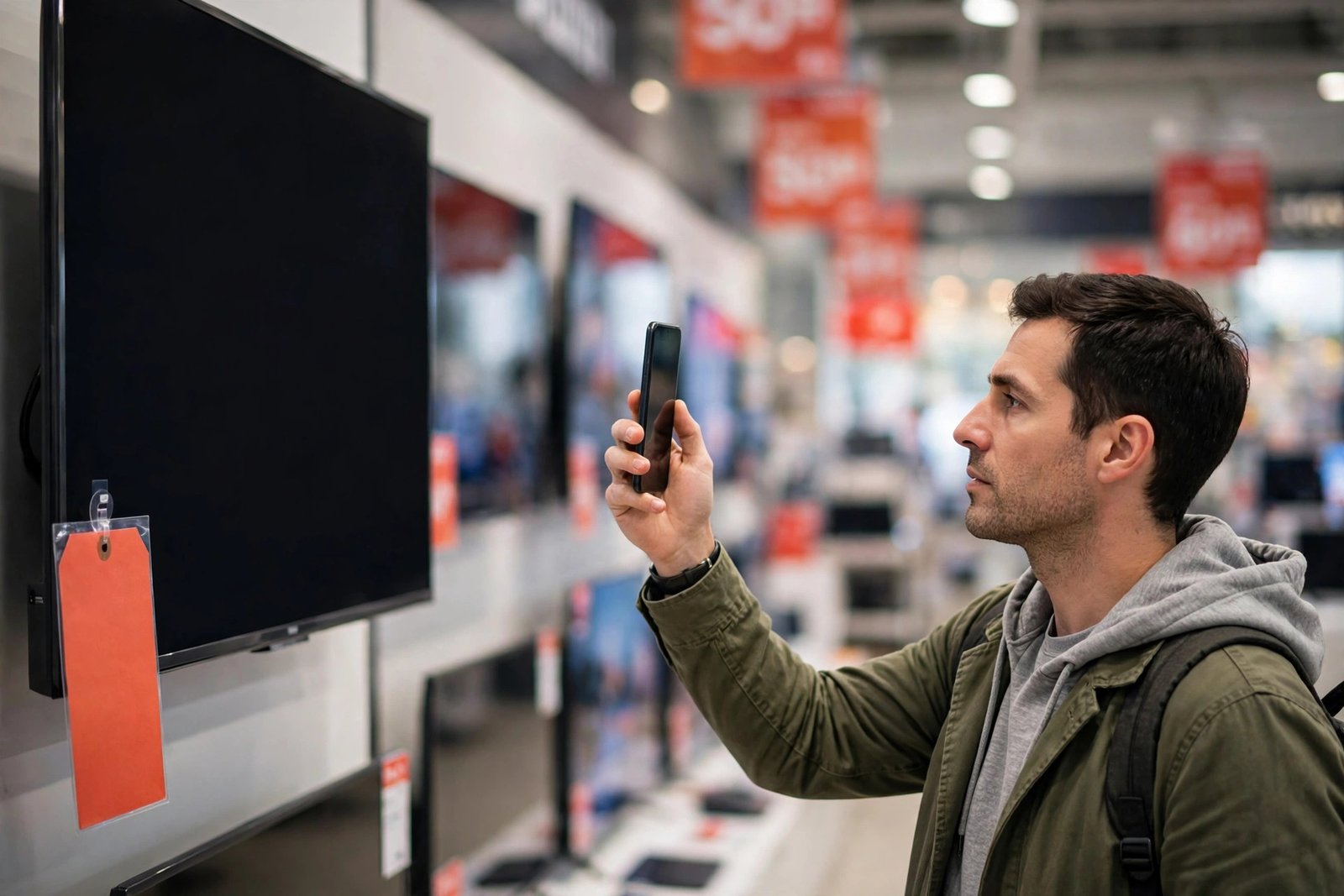
It’s Black Friday, Friday, November 27, 2026, and your feed is full of deals that look too good to miss: a laptop at 70% off, a television for half price. Some are real. Plenty are not. Learning how to spot a fake Black Friday deal before you pay is the difference between a genuine bargain and money spent on a trick, a knockoff, or nothing at all.
The fake ones aren’t always obvious — same photos, same logos, same countdown timers. McAfee’s 2026 holiday research found 42% of Americans say they have fallen for a holiday shopping scam, up from 22% the year before, and Adobe Analytics forecasts $12.9 billion in US online spending on Black Friday alone. That much money moving that fast is exactly what scammers count on.
You don’t need to become a detective — you need a 60-second routine, applied every time before your card details go anywhere. This guide gives you that routine, the nine tricks sellers use most, and what to do if you’ve already paid for something fake.
Why Black Friday Is Prime Time for Fake Deals
Black Friday compresses decisions: limited stock, limited time, everyone else buying. Your brain switches from “is this a good price?” to “will I miss out?” — and dishonest sellers use that rush to stop you thinking.
Two problems hide under the label “fake deal”: the misleading discount, where a real product’s saving is exaggerated, and the outright scam — a fake website or listing for a product that never arrives.
The 9 Discount Tricks Retailers Use on Black Friday
Most fake Black Friday deals are built from small distortions that add up to a big lie. Here are the nine you’ll see most.
1. The inflated “was” price
A television “was $1,499, now $799” — except it never sold for $1,499; the higher price was invented so the discount looks enormous. The FTC’s Guides Against Deceptive Pricing say a former price only justifies a bargain claim if it was the actual, bona fide price at which the product was offered to the public on a regular basis for a reasonably substantial period of time.
2. Raise then cut
The price creeps up in October, then gets “cut” back to normal. You see 40% off; October’s customers paid less. Price-history tools catch this instantly.
3. The derivative model
A television or laptop that looks identical to the well-reviewed model, but with a slightly different model number. Retailers sometimes stock Black Friday-only variants with cheaper parts — a worse panel, less memory. The review you read doesn’t apply, so check the exact model number.
4. The bundle that isn’t a bargain
“Free” accessories or gift cards bundled into the headline price. Often the accessories are worth almost nothing, or the gift card only works on a future purchase with strings attached. Price items separately first.
5. Fake urgency and fake stock
“Only 2 left!” “Sale ends in 04:59!” Refresh the page and the timer resets. A timer that restarts every time you reload is theatre, designed to rush you past the checks in this guide.
6. The marketplace seller switch
You think you’re buying from a trusted retailer, but the listing is fulfilled by a third-party seller with a two-week-old account and no reviews. The seller name sits in small print near the buy button.
7. Fake reviews
A product with 4,000 five-star reviews, all posted in the last three weeks, all using the same phrases — or a listing whose reviews belong to a different product, because the seller swapped the item. Read the one- and two-star reviews first.
8. The doorbuster that barely exists
A headline price on a handful of units, gone in seconds — while the similar, normally priced model sits next to it. Don’t walk out with the $399 one at full price and call it a win.
9. The lookalike website or ad
A social media ad for a brand-name product at 80% off, linking to a site copying the real retailer’s design — except the web address is one letter off and payment is by wire transfer or gift cards only. This one isn’t a bad deal. It’s theft. McAfee’s Black Friday scams guide for 2026 warns that scammers use AI to make fake ads and endorsements look convincing, and that fake shopping websites are the most common Black Friday scam of all.
| Trick | What you see | What is really happening | The 10-second check |
|---|---|---|---|
| Inflated “was” price | “Was $1,499, now $799” | Never the real price | 90-day price history |
| Raise then cut | 40% off this week | Raised in October, then “cut” | Compare 30/90 days ago |
| Derivative model | Same look, lower price | Cheaper parts, similar model number | Search the exact model number |
| Bundle padding | “Free” $200 extras | Extras nearly worthless | Price each item separately |
| Fake urgency | Timer counting down, “2 left” | Timer resets | Refresh the page and recheck |
| Marketplace switch | Famous retailer, tiny price | Unknown third-party seller | Read “sold by” |
| Fake reviews | Thousands of 5-star reviews | Bought or copied | Read 1-star reviews; check dates |
| Doorbuster bait | $99 headline deal | Few units existed | Set a walk-away price |
| Lookalike site | 80% off a famous brand | Fake store stealing payment | Type the address yourself |
How to Spot a Fake Black Friday Deal in 60 Seconds
This is how to spot a fake Black Friday deal fast: run it before you pay, every time, even for retailers you trust. Sixty seconds now saves hours of refund chasing later.
Seconds 1–15: check the price history. Open the product page in Chrome and look for Shopping Insights in the address bar — it shows the price history and typical range. If the “deal” price matches the price from three weeks ago, it’s not a deal. Walk away.
Seconds 15–30: read the crossed-out price properly. On Amazon, a crossed-out price is either a List Price or a Typical Price. Amazon’s strike-through pricing help page explains that the List Price is the manufacturer’s suggested retail price, while the Typical Price is the median price customers actually paid over the past 90 days, excluding promotions. The Typical Price is the honest one; a “saving” measured only against a List Price nobody paid is mostly decoration. Our roundup of the best Black Friday deals 2026 only features offers that survived this check.
Seconds 30–45: verify the seller and the site. Read the web address character by character — “amaz0n-deals.com” is not Amazon. Check the “sold by” line and search the seller’s name plus “reviews” or “scam.” A real retailer has a real address and a readable returns policy. McAfee’s advice is blunt: if a deal reaches you through an ad, don’t click it — go to the retailer’s official site yourself and see whether the promotion exists there.
Seconds 45–60: sanity-check the discount and the payment. A genuine Black Friday discount on a big brand is usually 15% to 40%; Adobe’s data puts TV discounts around 23% on Black Friday itself. An 80% or 90% cut on a current-model phone or console is almost never real. Never pay by gift card, wire transfer, or cryptocurrency — real retailers don’t ask for those, and a credit card gives you chargeback protection.
Check the Price History Before You Trust the Discount
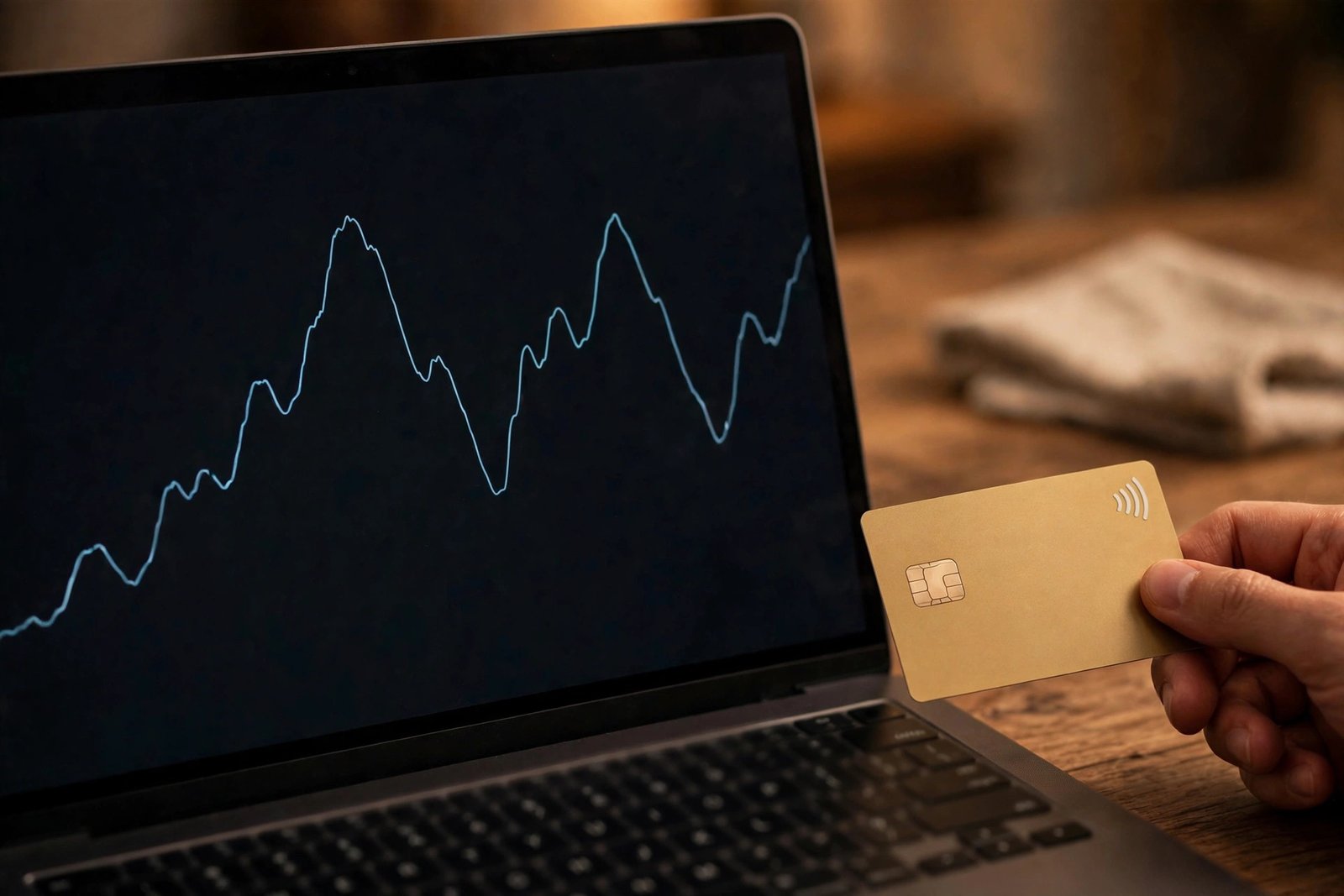
Price history is the single most powerful tool in this guide, and most of it is free. Chrome’s shopping insights and price tracking shows a product’s price history and price range from the address bar, with alerts for price drops. Google Search’s price tracking works the same way from the product card — search the exact product and tap “Track price.”
On Amazon, tap “Price history” to see how the price moved over the past year. That answers the only question that matters when learning how to spot a fake Black Friday deal: is this cheaper than it usually is?
Do this check in a separate tab, before you add anything to your basket — once an item is in there it starts to feel like yours. Check first, basket second. And if you’re planning ahead to Monday, our explainer on what Cyber Monday is covers when its deals land.
Fake Websites, Fake Ads, and Phishing Links
A misleading discount wastes your money. A fake website takes it outright — and the checks are different.
Fake shopping sites copy logos, product photos, and checkout pages from real retailers. The tells are small: a web address that is almost right, a contact page with no address, and payment limited to gift cards, wire transfers, or crypto. McAfee’s 2026 research lists fake shopping websites and fake social media ads among the most common Black Friday scams, alongside delivery-text scams asking you to pay a fee through a link.
Social media is where most people meet these scams: an ad shows a product at an impossible price, often with a fake celebrity endorsement — McAfee found 46% of Americans had encountered fake influencer endorsements — and links to a store that has existed for a week. If a deal exists only inside an ad, treat it as unproven until you find the same offer on the retailer’s own site.
Email and texts need the same treatment. A “your order has a problem” message with a link is a classic phishing attempt — real retailers don’t ask you to fix payment problems by clicking a link in a text. If you’re worried about an order, open the retailer’s app or type their address yourself. Our guide on how to spot a phishing email covers the email version; the same instincts apply to texts.
Marketplace Sellers and Reviews: Read the Small Print
Marketplaces hide the best genuine Black Friday deals — and the worst fakes. The difference is in the small print.
First, the seller. The “sold by” line tells you who takes your money. An account created this month, selling a popular console at half the going rate, is a red flag; a seller with years of history and thousands of ratings is a different proposition.
Second, the reviews. Don’t read the average — read the distribution. A healthy product has a spread of ratings; a suspicious one has a wall of five-star reviews posted within days of each other, followed by one-star reviews from people who received something different. Sort by “most recent.”
Third, the return policy. A genuine seller states it clearly; a fake one buries it or charges a “restocking fee” that eats the refund. If you can’t find a return address in your own country, don’t buy.
What the Law Actually Says About Fake Discounts
Fake pricing isn’t just rude — the FTC has published rules about it for decades. Its Guides Against Deceptive Pricing, in 16 CFR Part 233, say a former price only supports a bargain claim when it was the actual, bona fide price at which the article was offered to the public on a regular basis. Section 233.1 gives the example of a retailer who raises a pen’s price from $7.50 to $10 for a few days, then “cuts” it back; the FTC calls that claim obviously false. If a retailer has misled you, keep screenshots and report it at ReportFraud.ftc.gov.
Paying Safely on Black Friday
Even after every check passes, how you pay matters. A credit card is your best friend on Black Friday: if the item never arrives or arrives fake, you can dispute the charge. Debit cards offer less protection, and the money leaves your account immediately. Gift cards, wire transfers, and cryptocurrency offer essentially none. Screenshot the listing before you buy, save the order confirmation, and check your statements — a $1 or $2 charge you don’t recognise is worth a call to your bank. A 2% cashback on an item you overpaid for by 30% is not a win: our comparison of cashback versus travel rewards credit cards explains when rewards actually change the answer.

If You Already Paid for a Fake Deal
Don’t panic, and don’t wait — speed matters most once money has moved. Contact your bank or card issuer immediately and ask about a chargeback; the sooner you start, the stronger your position. Then ask the seller or platform in writing for a refund, keeping copies of everything.
Report it, too: in the US, that means the FTC at ReportFraud.ftc.gov and your state attorney general’s consumer protection office. It helps regulators spot patterns and shut down repeat offenders.
If you entered card details on a site you now believe is fake, tell your bank and ask whether the card should be replaced, and change any password you reused there. If the item arrived but is a knockoff, photograph everything before contacting the seller — buyer-protection schemes need evidence, and the listing may vanish.
Frequently Asked Questions
How can I tell if a Black Friday deal is real?
Check the price history first: if the “deal” price matches the price from a month ago, it’s not a real discount. Then verify the seller and the website address, and compare with one other retailer. A real deal survives all three checks — that is how to spot a fake Black Friday deal before money changes hands.
What is a good Black Friday discount on a TV?
On a current-model TV from a major brand, a genuine discount is usually 20% to 30% — Adobe’s data puts TV discounts around 23% on Black Friday itself. A 50% or 60% cut usually means an inflated “was” price or a cheaper variant.
Is it safe to buy from a marketplace seller on Black Friday?
It can be, if the seller has a long history and strong ratings and you’re paying through the platform with a credit card. Be cautious with new accounts and prices far below every other listing.
What should I do if I bought something from a fake website?
Contact your bank or card issuer right away and ask about a chargeback, and report the site to the FTC at ReportFraud.ftc.gov. Change the password anywhere else you used it. If you paid by gift card, wire transfer, or cryptocurrency, recovery is unlikely — tell your bank anyway.
Will a deal be cheaper on Cyber Monday?
Sometimes. Cyber Monday, Monday, November 30, 2026, tends to be stronger for electronics and computers, while Black Friday is stronger for televisions, toys, and appliances. But a specific item’s best price depends on the retailer and the stock, not the day — if a deal passes the price-history check today, take it.
Conclusion
Black Friday rewards the shopper who slows down for one minute. Check the price history, read the crossed-out price for what it is, verify the seller, and pay with a credit card. That is how to spot a fake Black Friday deal in practice.
The real bargains are out there: televisions at genuine 20-something percent discounts, laptops at real year-lows. Buy those, and only those — check first, pay second, and keep your receipts.



