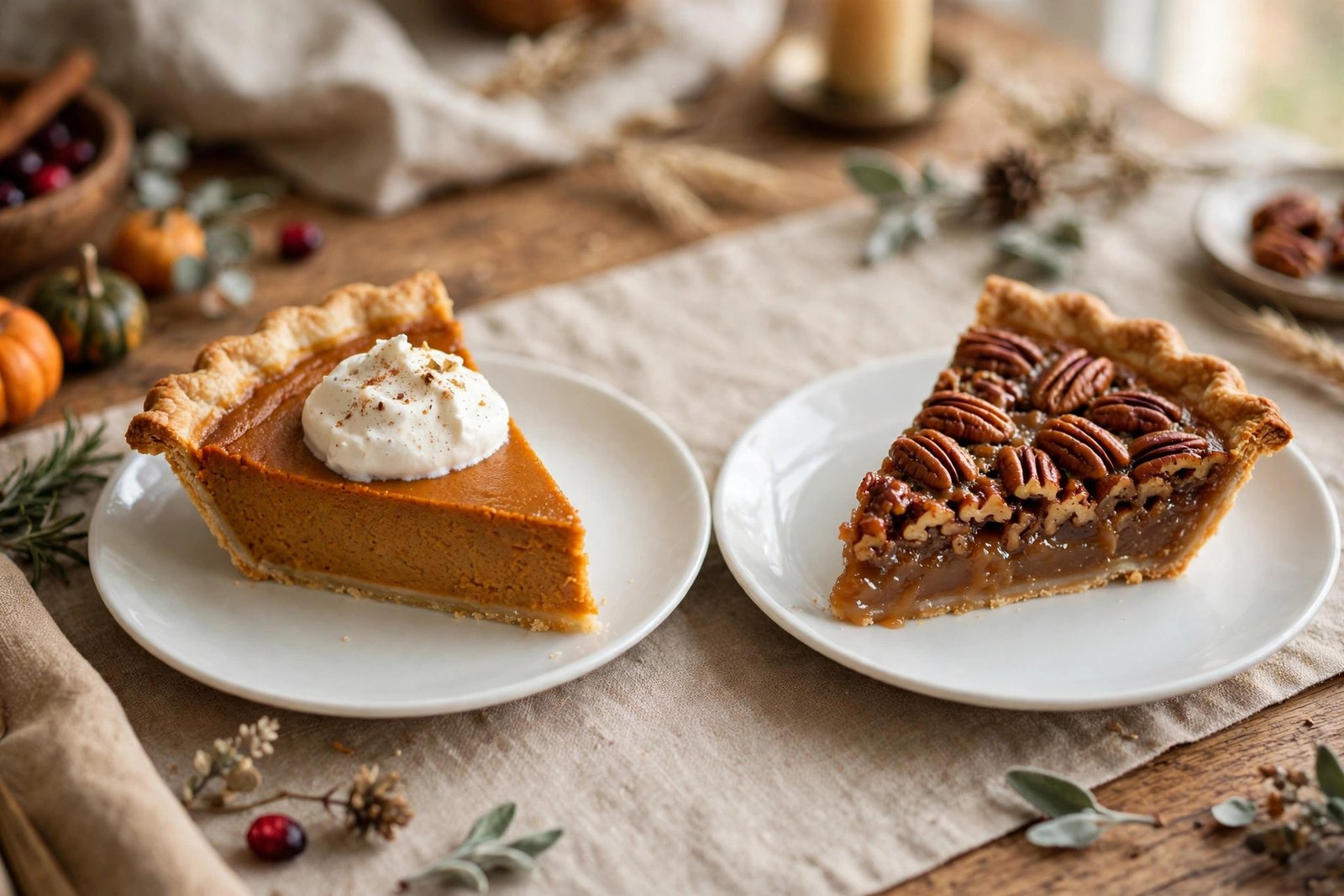

Pumpkin Pie vs Pecan Pie: Taste, Cost, Nutrition, and the Real Winner
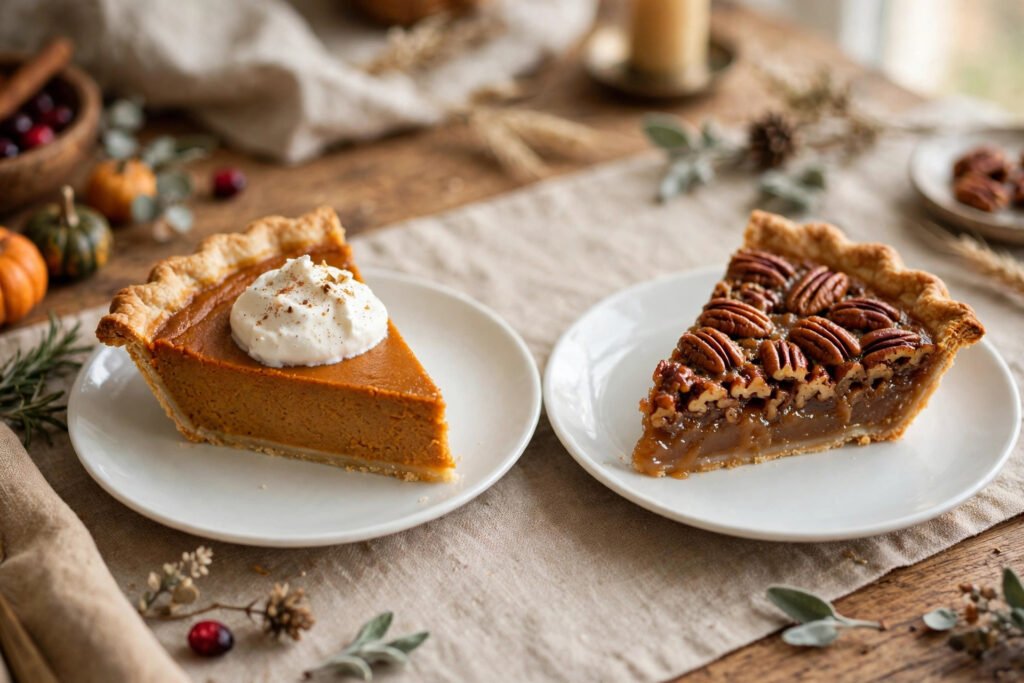
Every Thanksgiving table eventually reaches the same delicious argument. The turkey is carved, the dishes are stacked, and someone asks the question that splits the room: pumpkin pie vs pecan pie — which one deserves the last slice? It sounds like a simple choice, but it is really a choice between two different ideas of what pie should be. One is soft, spiced, and quietly comforting. The other is rich, sticky, and unapologetically sweet. Both are custard pies in a pastry crust, and both have loyal fans who will defend their favourite with surprising passion.
If you are baking for Thanksgiving tomorrow, Thursday November 26, 2026, you need a straight answer: which pie tastes better, costs less, is easier to make, and still tastes good baked a day ahead? This guide compares the two pies across seven dimensions — flavour, texture, nutrition, cost, difficulty, make-ahead reliability, and who each suits best — using real, verified figures.
Pumpkin Pie vs Pecan Pie: The Head-to-Head at a Glance
Here is the short version. Pumpkin pie is lighter, cheaper, easier, and gentler on sugar. Pecan pie is richer, sweeter, more expensive, and harder to get exactly right — but for many people it is the more memorable dessert on the table. Neither pie wins on every measure, which is why the argument never ends.
| Dimension | Pumpkin Pie | Pecan Pie |
|---|---|---|
| Flavour | Warm spices, mild squash sweetness | Buttery caramel, toasted nuts |
| Texture | Smooth, silky, soft custard | Gooey filling, crunchy pecan top |
| Calories per slice (approx.) | About 320 kcal | About 500 kcal |
| Sugar per slice (approx.) | About 25 g | About 40 g |
| Cost to bake at home | About $9–$11 | About $15–$20 |
| Difficulty | Easiest holiday pie to make | Hardest to get right |
| Make-ahead score | Good, best within a day | Excellent, holds up best |
| Best for | Big crowds, tight budgets, beginners | Small groups, Southern tables, nut lovers |
What Pumpkin Pie Actually Tastes Like
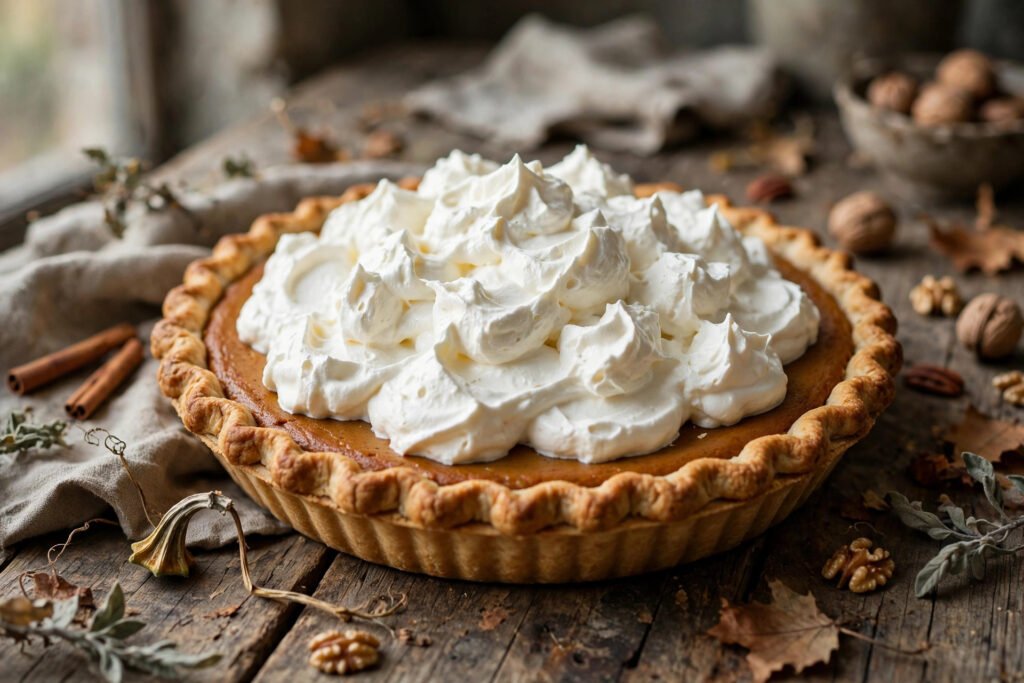
Pumpkin pie is the quiet one. Its flavour comes from the spice blend — cinnamon, ginger, nutmeg, and cloves — rather than from the pumpkin itself, which is mild and earthy on its own. The filling is made from pumpkin puree, eggs, milk or cream, sugar, and those spices, baked into a smooth custard that sets softly in the crust. Eaten warm or cold, it tastes like autumn in the most literal sense: gentle, warm, and familiar. A dollop of whipped cream is not decoration here; it is part of the experience, cutting the spice with cool cream and giving each bite a little lift.
The texture is the pie’s greatest strength. A good pumpkin pie is silky all the way through, with no lumps or graininess. It slices cleanly when it has cooled properly and holds its shape on the plate without being stiff. That smoothness is also why children and older relatives tend to love it — there is nothing to chew through and nothing that overwhelms the palate.
There is one honest weakness to admit. Pumpkin pie can be bland if the spices are timid or the puree is watery, and a slice straight from the fridge can taste muted until it warms up a little. The fix is simple: be generous with the spices, use good puree, and let the pie sit at room temperature for twenty minutes before serving. If you want the full method, our guide to how to make pumpkin pie walks through real roasted pumpkin and the canned shortcut, the blind-baked crust, and the trick for stopping cracks. The filling itself takes about ten minutes in one bowl, which is part of why this pie is so forgiving for a first-time holiday baker.
What Pecan Pie Actually Tastes Like
Pecan pie is the opposite of quiet. Its filling is built from pecans, corn syrup or cane syrup, brown sugar, butter, eggs, and vanilla, and it bakes into something closer to a caramel tart than a custard. The pecans on top toast glossy and crisp while the filling underneath stays soft, gooey, and intensely sweet. People who love pecan pie do not just like it — they plan their whole dessert around it.
That richness is both the appeal and the limit: a full slice is a serious commitment, so serve it thinly with unsweetened whipped cream or vanilla ice cream, or with strong black coffee. Served on its own it can feel almost too sweet for some palates.

Pecan pie also carries a regional pride that pumpkin pie does not. The Texas Legislature named pecan pie the official State Pie of Texas in 2013, and pecan pie tops November searches in Arkansas, Louisiana, Mississippi, and Oklahoma, according to a CenturyLinkQuote study reported by chicken-chilly. If your Thanksgiving table leans Southern, pecan pie is not just a dessert option; it is the expected one.
Nutrition Compared: The Numbers Are Not Close
Here is where the two pies genuinely diverge. According to figures compiled by meatcheftools, a typical slice of pumpkin pie contains approximately 320 calories, 14 grams of fat, 25 grams of sugar, 4 grams of protein, and 2 grams of fibre — while a typical slice of pecan pie contains approximately 500 calories, 28 grams of fat, 40 grams of sugar, 6 grams of protein, and 3 grams of fibre. Treat those as approximate, recipe-dependent figures, not exact values: slice size, sugar, crust, and cream versus milk all shift the numbers. But the gap is real in every version of the recipes.
The reason is in the ingredients. Pumpkin puree is mostly water and fibre with very few calories, so the filling stays light even with sugar and cream added. Pecans, by contrast, are one of the most calorie-dense nuts there are, and they sit in a filling made largely from syrup and brown sugar. That is not a flaw — it is the design. Pecan pie is meant to be rich. But if anyone at your table is watching sugar or calories, the difference matters, and a thin slice of pecan pie is the honest compromise. The pumpkin pie nutrition figures and the pecan pie sugar breakdown agree on the direction even when exact totals vary by recipe.
Pumpkin pie has one more card to play: pumpkin is exceptionally rich in vitamin A, providing well over 200 percent of the daily value in a single serving, according to restonyc. That does not make it a health food — it is still a sweet dessert in a butter crust — but it brings something useful alongside the sugar. Pecan pie offers healthy fats and a little protein from the nuts, but the sugar load dominates. When you compare pumpkin pie vs pecan pie on health alone, the lighter, spiced custard is the clear choice for guests who want dessert without a sugar crash an hour later.
Cost: Pumpkin Wins by a Wide Margin
Cost is the least romantic part of the comparison and one of the most practical. A 15-ounce can of pumpkin puree costs around $2.50, while a pound of pecans costs roughly $8 to $15, according to restonyc. That single ingredient gap drives the whole budget. In a home-bake test reported by chicken-chilly, a pumpkin pie filling cost about $9 to $11 in total, while a pecan pie filling cost about $15 to $20. Add a store-bought crust to both and the gap stays roughly the same. If you are baking two or three pies for a crowd, choosing pumpkin over pecan can save you ten to twenty dollars without anyone at the table feeling short-changed.
On cost, pumpkin pie vs pecan pie is no contest when pecan prices spike, which they do in some years when the harvest is small. Pumpkin puree is a shelf-stable canned staple with a steady price all year. If you are baking on a tight budget, pumpkin is the obvious pick, and the money saved buys the whipped cream and coffee to serve with it. For the full maths, see the Thanksgiving pie cost comparison and the pumpkin and pecan pie price guide.
Difficulty: One Pie Forgives, the Other Does Not
Pumpkin pie is the easiest of the classic holiday pies to make. The filling comes together in one bowl in about ten minutes: whisk the puree, eggs, sugar, spices, and milk, pour it into the crust, and bake. There is no candy thermometer, no syrup stage, and no nut layer to arrange. The main risks are a soggy bottom crust, fixed by blind-baking for 15 to 18 minutes at 400°F, and surface cracks from overbaking or cooling too fast. Bake until the edges are set and the centre still jiggles slightly, then cool slowly at room temperature for at least four hours before slicing.
Pecan pie is harder to get exactly right. The centre must reach about 200°F to set, and it needs a longer bake than most first-timers expect. Underbake it and the middle stays runny; overbake it and the filling turns grainy while the pecans burn. The syrup can bubble over an overfilled crust, and the sweetness leaves nowhere to hide a mistake. It rewards experience and a reliable oven thermometer. If you have never baked either pie and Thanksgiving is tomorrow, pumpkin is the safer first attempt. Serious Eats explains the custard pie baking science behind why pumpkin sets so forgivingly while syrup pies punish guesswork.
Make-Ahead and Storage
Thanksgiving cooking is a scheduling problem as much as a cooking problem, and on make-ahead reliability in the pumpkin pie vs pecan pie contest, pecan genuinely wins. Pecan pie holds up best when made ahead — in the chicken-chilly comparison it earned a perfect 10 out of 10 make-ahead score, because the syrup filling keeps the pie moist and the nut topping stays crisp for a day or two. Bake it on Wednesday, cover it loosely once cool, and it will taste just as good on Thursday, and arguably better, as the flavours settle overnight.
Pumpkin pie is also make-ahead friendly, just less forgiving. It refrigerates well for up to four days and freezes for up to three months, but the crust softens and the surface can weep condensation. Bake it the day before, cool it completely before covering, and keep it uncovered in the fridge for the first hour. Both pies travel well in a covered carrier and are best served at room temperature, never straight from the fridge.
History and Regional Loyalty
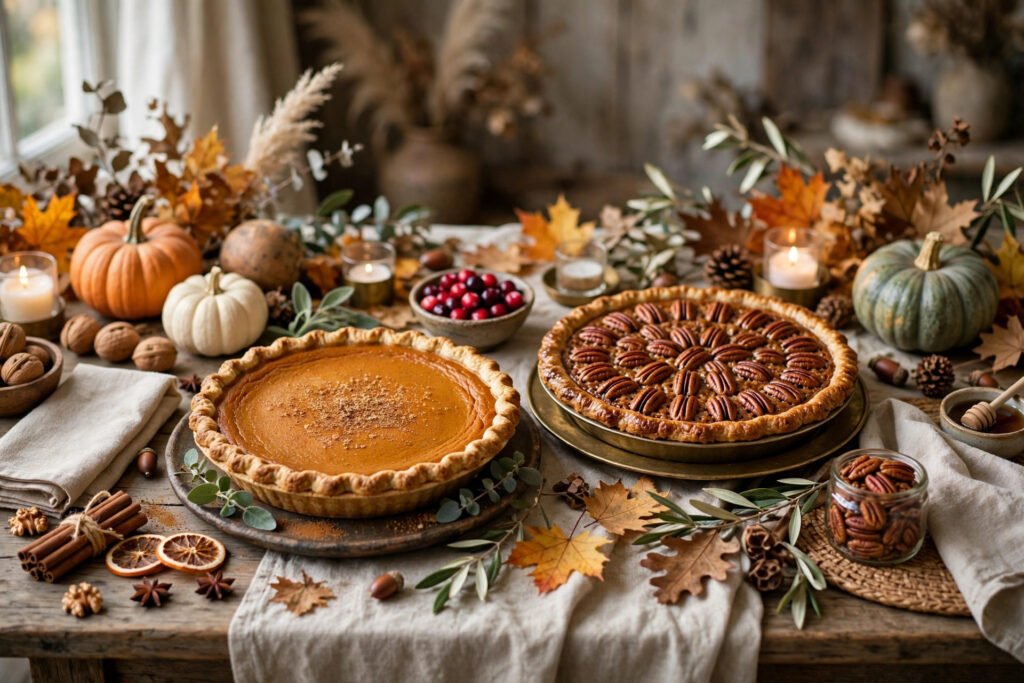
Both pies are older than most people realise. Pumpkin pie recipes date back to the 1670s, when early American cooks were already baking spiced pumpkin custards in pastry. Pecan pie is younger: the earliest known recipe appeared in an 1886 Louisiana cookbook, and the pie only became widely popular in the 1930s. Pumpkin pie tastes like a tradition settled for centuries; pecan pie tastes like a regional speciality that went national and never lost its Southern accent.
The regional map tells the story. Pumpkin pie is the most-searched Thanksgiving pie in more than half the country, according to Google’s 2025 Thanksgiving Trends data, while pecan pie leads November searches in Arkansas, Louisiana, Mississippi, and Oklahoma. If your guests come from different parts of the country, pumpkin is the pie nobody will object to. If your family is Southern, skipping pecan pie might feel like skipping the turkey.
Which Pie Should You Bake?
The honest answer depends on your table, not on the pies. Use the table below to match the pie to your situation — the best Thanksgiving dessert tables usually serve both.
| Your situation | Pick this pie | Why |
|---|---|---|
| First time baking a holiday pie | Pumpkin | One bowl, forgiving bake, easy to fix |
| Big crowd, tight budget | Pumpkin | About half the cost per pie |
| Southern family table | Pecan | Tradition expects it |
| Baking two days early | Pecan | Holds up best made ahead |
| Guests watching sugar | Pumpkin | About 25 g sugar vs about 40 g per slice |
| Want the most memorable dessert | Pecan | Rich, dramatic, unforgettable |
| Cannot decide | Both | Small slices of each, everyone happy |
If you can only bake one pie, bake pumpkin. It is cheaper, easier, lighter, and loved by the widest range of guests, and it is the pie most likely to be finished to the last crumb. If you can bake two, bake both: a pumpkin pie for the crowd and a pecan pie for the people who came for the pecan pie. Serve them side by side with whipped cream, vanilla ice cream, and strong coffee, and let your guests settle the argument themselves. If the dessert table still needs more, a tray of Christmas cookies or a slice of Christmas cake never goes amiss — while the debate over Christmas ham vs turkey can wait for December.
Frequently Asked Questions
Is pumpkin pie or pecan pie healthier?
Pumpkin pie is the lighter choice. A typical slice has approximately 320 calories and 25 grams of sugar, against approximately 500 calories and 40 grams of sugar for pecan pie. Both figures are approximate and recipe-dependent.
Which pie is cheaper to make?
Pumpkin pie, by a clear margin. The filling costs about $9 to $11 at home, while a pecan pie filling costs about $15 to $20, mostly because pecans cost $8 to $15 per pound while canned pumpkin puree costs around $2.50.
Which pie is easier for a beginner?
Pumpkin pie. The filling takes about ten minutes in one bowl, and the main risks — a soggy crust and surface cracks — are easy to prevent with a blind bake and slow cooling. Pecan pie needs its centre to reach about 200°F and is easier to underbake or overbake.
Can I make both pies the day before Thanksgiving?
Yes. Pecan pie holds up best made ahead and tastes great the next day. Pumpkin pie also keeps well for a day in the fridge, but cool it completely before covering it.
Why does my pumpkin pie crack?
Cracks usually come from overbaking or cooling the pie too fast. Bake until the edges are set and the centre still jiggles slightly, then cool slowly at room temperature. Small cracks can be covered with whipped cream.
Is pecan pie really the official pie of Texas?
Yes. The Texas Legislature named pecan pie the official State Pie of Texas in 2013, which tells you how seriously the state takes this dessert.
Conclusion
So who wins? On the scorecard, pumpkin pie takes flavour for the crowd, nutrition, cost, and difficulty. Pecan pie takes richness, make-ahead reliability, and memorability. If you judge by the numbers, pumpkin wins; if you judge by the gasp when the pie comes out of the oven, pecan has a real claim. The best answer for most tables ends the argument instead of winning it: bake pumpkin for everyone, bake pecan for the people who love it, and let the last slice decide. When you settle the pumpkin pie vs pecan pie question at your own table this year, whichever pie disappears first is the right answer.



