
What Is Small Business Saturday? The 2026 Guide for Shoppers and Small Shops
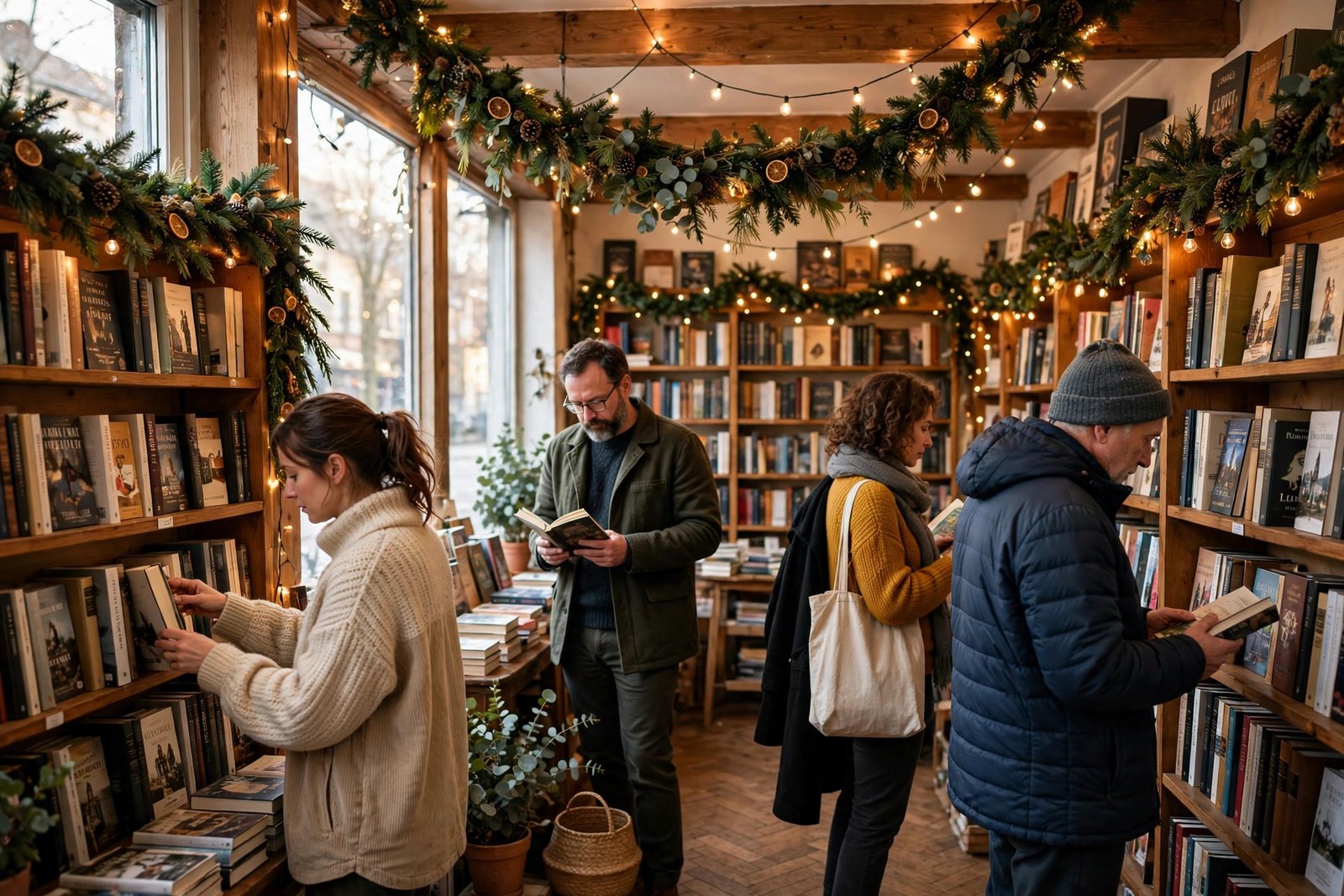
Every November, the Saturday after Thanksgiving turns into the one shopping day that belongs to the little guys. No 4 a.m. queues, no website crashes, no doorbuster stampedes — just your main street, dressed in lights, with the shopkeepers who know your name. If you have ever wondered what is small business saturday, exactly, and whether it is worth changing your plans for, the short answer is yes.
In 2026 it falls on Saturday, November 28, between Black Friday on November 27 and Cyber Monday on November 30 — the only one of the three built around independent shops rather than big chains and online giants. This guide covers the 2026 calendar, the history, the numbers, and a practical checklist for shoppers and small shops alike.
What Is Small Business Saturday? The Short Answer
Small Business Saturday is a shopping day in the United States dedicated to supporting small, independently owned businesses. It takes place every year on the Saturday after Thanksgiving — always the last Saturday in November, so the date moves between November 24 and November 30 depending on the year.
The idea is simple. Black Friday belongs to the big-box stores and Cyber Monday to the big online retailers. Small Business Saturday gives the independents their own day: the bookshop on the corner, the bakery that opens at dawn, the toy shop run by the same family for twenty years, the market stall selling handmade candles. Shoppers are encouraged to spend part of their holiday budget with them.
It is not a federal holiday, and shops do not have to do anything special to take part. There is no official registration for shoppers. You take part simply by choosing a small business over a chain — in person, or online through a small shop’s own website. The day has grown far beyond its beginnings.
American Express estimates shoppers have reported spending a cumulative $241 billion at independent retailers and restaurants on the day since 2010 — a survey-based figure, not audited sales, but the direction is clear. It is now a fixed point on the retail calendar, and for many small shops the busiest Saturday of the year.
The 2026 Weekend at a Glance
Thanksgiving weekend in 2026 runs from Thursday, November 26 to Monday, November 30, and each day has a different character.
| Day | Date (2026) | What it is | Who it suits | Best buys |
|---|---|---|---|---|
| Thanksgiving | Thursday, Nov 26 | Early offers go live online | Planners browsing from the sofa | Early-bird online deals |
| Black Friday | Friday, Nov 27 | The biggest discount day of the year | Bargain hunters and big-ticket buyers | TVs, electronics, appliances |
| Small Business Saturday | Saturday, Nov 28 | The day for independent shops | Gift hunters who want something original | Unique gifts, handmade goods, local food |
| Cyber Monday | Monday, Nov 30 | The biggest online shopping day | Online shoppers finishing their lists | Tech, fashion and last-chance online deals |
Adobe forecasts a record $275.1 billion in US online spending across November and December 2026, with $47.5 billion landing during Cyber Week alone. Black Friday is forecast at about $12.9 billion, up 9.2% on last year, and Cyber Monday at about $15.1 billion, up 6.2% — the first day ever expected to pass $15 billion online. Those figures, reported by Debutify from Adobe’s September 2026 forecast, cover online spending only. Small Business Saturday is different: its spending is mostly in-store, measured in footsteps rather than clicks.
A Quick History: How a Recession-Era Idea Became a Holiday
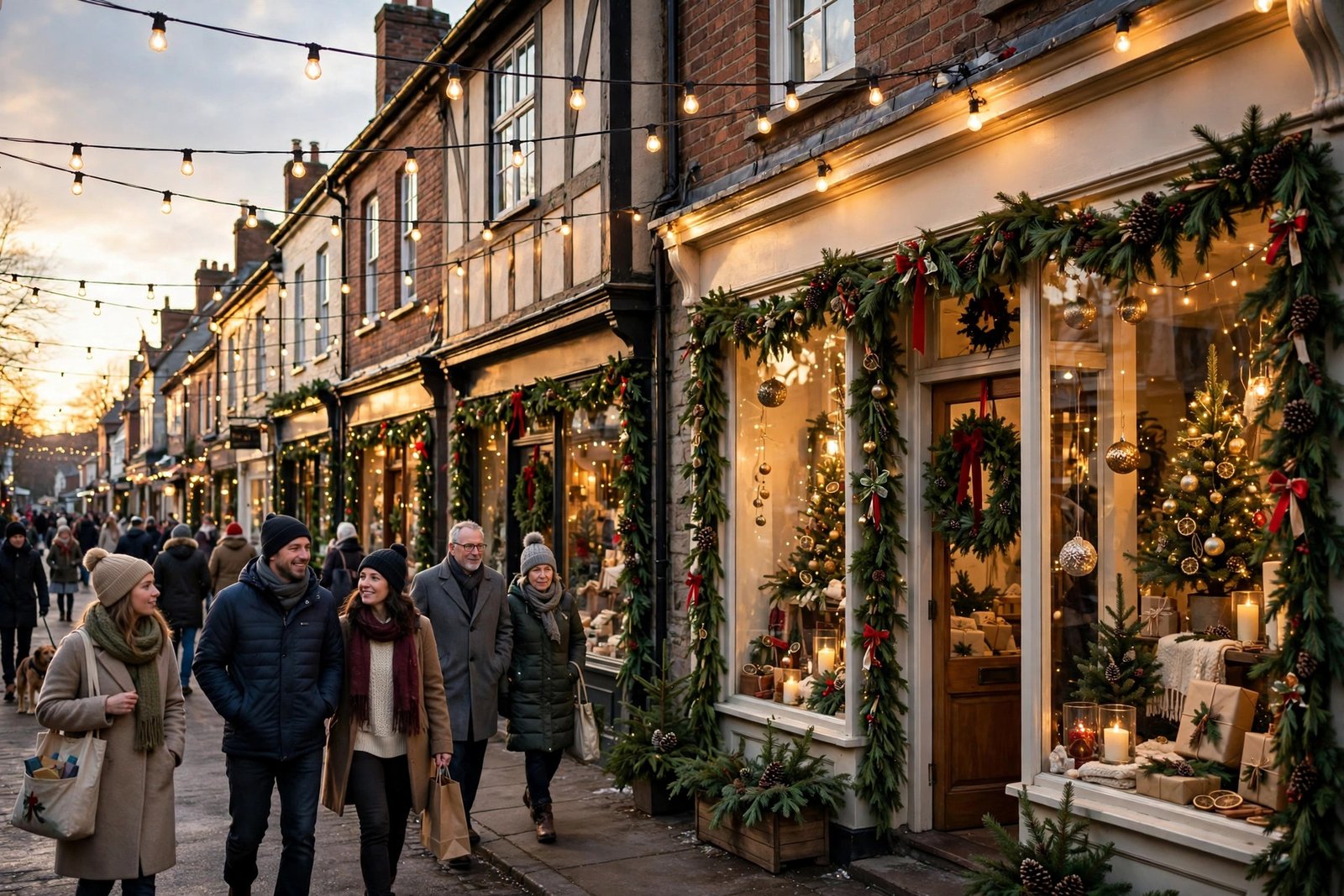
Small Business Saturday was created by American Express and first observed on November 27, 2010, while the country was still climbing out of the Great Recession and small businesses were hurting. The big retailers had Black Friday and the big websites had Cyber Monday. The independents had nothing — so American Express gave them a day of their own, with a nationwide advertising campaign behind it.
American Express launched it with the non-profit National Trust for Historic Preservation, Boston Mayor Thomas M. Menino, and Roslindale Village Main Street. That first year, Amex bought advertising space on Facebook and handed it to its small merchant account holders, and offered rebates to new customers to encourage them to shop small. It worked.
In 2011, the U.S. Small Business Administration began co-sponsoring the day, and the US Senate unanimously passed a resolution designating November 26, 2011 as Small Business Saturday. By 2012, officials in all 50 states were taking part. What started as a single company’s campaign had become a national observance in the space of two years.
The U.S. Chamber of Commerce’s guide to the day notes support for small businesses is now the strongest since 2012, and the 2026 American Express Shop Small Impact Study found 88% of US consumers say they are likely to shop at a small, independently owned business or restaurant this holiday season — the highest level since the company began tracking it. The study, based on surveys of 1,008 US adults and 503 small business owners by Teneo in September 2026, also found 78% of consumers consider small businesses essential to their communities.
More than half of shoppers — 56% — plan to shop or dine at a small business on the day itself. For an event that did not exist sixteen years ago, that is remarkable: the day has moved from a marketing idea into a genuine habit, a Saturday people now plan around.
Black Friday vs Small Business Saturday vs Cyber Monday
The three days look similar from a distance, but they reward completely different kinds of buying.
Black Friday is the discount day, built for big-ticket purchases where a 30% cut genuinely matters: a television, a laptop, a washing machine. The deals are deepest on electronics and appliances, and the retailers offering them can afford it because they buy in enormous volume. If you need a new TV, Friday is your day — our guide to Black Friday explains how to work it without getting burned.
Small Business Saturday is the discovery day. You will not find a 50%-off television in a bookshop, and that is not the point. What you find instead are things you cannot buy anywhere else: a signed first edition, a hand-thrown mug, honey from a farm ten miles away. The value here is originality, not discount depth. That contrast is the simplest way to understand what is small business saturday: Friday is about price, Saturday is about place.
Cyber Monday is the convenience day: the biggest online shopping day of the year, for anyone finishing a list from the sofa. Our guide to Cyber Monday covers how to spot a real deal from a fake one. The trade-off is that everything arrives in a box, from a warehouse, with no story attached.
Use all three days for what each does best: big-ticket electronics on Friday, the high street on Saturday for gifts that mean something, and the leftovers online on Monday. You will spend roughly the same amount.
Where Your Money Actually Goes
The most quoted argument for shopping small is about where the money ends up. According to American Express’s 2025 Shop Small Economic Impact Study, about 68 cents of every dollar spent at a small business in the US stays in the local community — paying local wages, suppliers, rent and taxes. Spend the same dollar at a chain or a distant online warehouse and far more of it leaves town.
| Where you spend | What stays local | What it supports |
|---|---|---|
| Independent local shop | About 68 cents of every dollar (Amex 2025 study) | Local jobs, local suppliers, the high street itself |
| National chain store | A smaller share stays local | Local staff wages, but profits and buying decisions leave town |
| Big online marketplace | The smallest local share | Delivery and warehouse jobs, mostly far from your community |
Ask what is small business saturday really worth to a town, and the honest answer starts with that 68-cent figure. The pattern is consistent across every study that has tried: money spent locally circulates locally. The baker buys flour from the miller, the miller eats at the café, the café owner buys a book from the bookshop. Economists call this the local multiplier effect.
A National Retail Federation survey found about one in five holiday shoppers plan to buy from small or local businesses, and 71% of those say supporting their community is the reason.
None of this means never shopping at a chain — everyone buys toilet paper and phone chargers. It is a nudge: one day a year to aim a meaningful share of your gift budget at the businesses that make your town feel like your town.

How to Shop Small Business Saturday Like a Pro
A little planning turns a pleasant wander into a genuinely good shopping day. The shops are small, the stock is limited, and the best things sell out early — so the shoppers who arrive with a plan get the good stuff.
Start with a list, and leave gaps in it. Write down who you are buying for and a rough idea per person, but do not decide the exact item in advance. The joy of the day is finding something you did not know existed: the scarf in exactly the right shade, the board game your brother has never heard of.
Go early, and go on foot if you can. The one-of-a-kind items — the handmade, the signed, the last one in stock — go first, and walking the high street means passing places you did not plan to visit, which is where half the good finds happen. Wear comfortable shoes.
Talk to the people behind the counter — the single biggest advantage a small shop has over a website, and the one most shoppers underuse. The bookseller knows which novel your dad will actually finish. The toy shop owner knows which puzzle suits a six-year-old who hates puzzles. The jeweller can resize, engrave, or wrap something while you wait. Ask questions — the answers are free.
Check the shop’s website and social media before you go. Many independents list their Saturday offers, hours and events online, and some offer click-and-collect. Ordering directly from a small shop’s own website counts just as much as walking in. If you are thinking of selling rather than buying, our guide on how to start an online store with no money shows how small sellers get started.
If You Run a Small Shop: Making the Most of the Day
For the shops themselves, it is the biggest opportunity of the year — and the ones that do well treat it as a day of hospitality, not just a sale. The shoppers arriving on Saturday are already on your side. Your job is to give them a reason to come back in January.
Start with the window. A festive, well-lit display is your best advertisement, and it costs far less than any ad. Make people feel they matter the moment they walk in, and keep the windows clear so passers-by can see a busy, welcoming shop.
Offer something that only happens on the day: a free gift-wrapping station, a tasting table, a raffle for a hamper — anything that turns a transaction into an experience. Fit Small Business’s roundup of Small Business Saturday ideas has thirty practical suggestions, and most cost very little to run.
Make sure people can find you. American Express runs a free Shop Small Map listing participating small businesses, and getting your shop on it takes minutes. Check your Google Business Profile too: correct hours, correct address, a few recent photos.
Collect the relationship, not just the sale. An email sign-up sheet at the till, a loyalty card, a follow on social media — any of these turns a one-day visitor into a regular. The American Express study found 80% of small business owners say the day helps build relationships that last beyond the holidays. That is the real prize.
If you are in a small town, team up with your neighbours: a shared late opening, a joint raffle, a printed map of every participating shop. Our roundup of small business ideas for small towns has more on how small-town shops can work together.
Frequently Asked Questions
What is Small Business Saturday?
In short, what is small business saturday if not a reminder that the places we love need customers, not just compliments? It is a shopping day in the United States, held every year on the Saturday after Thanksgiving, that encourages people to support small, independently owned businesses. It was created by American Express in 2010 and has been co-sponsored by the U.S. Small Business Administration since 2011.
When is Small Business Saturday in 2026?
Saturday, November 28, 2026 — always the last Saturday in November, between Black Friday (November 27) and Cyber Monday (November 30). The U.S. Small Business Administration’s own Small Business Saturday page confirms the date and the day’s history.
Do I have to be an American Express cardholder to take part?
No. Anyone can take part, with any payment method, at any small business. American Express created the day and still promotes it through its Shop Small campaign, but there is no card requirement and no sign-up for shoppers. Rakuten’s Small Business Saturday guide has tips on stacking cashback offers with the day.
Is Small Business Saturday only for shops with a physical store?
No. Online-only small businesses take part too, and buying from a small seller’s own website counts just as much as walking into a shop. What matters is that the business is small and independent.
Do small businesses offer discounts on Small Business Saturday?
Some do, but the day is not primarily a discount event like Black Friday. Many shops offer small promotions, bundle deals, or free gift wrapping instead of deep price cuts — a small shop cannot afford to slash margins the way a chain can. The value is in unique products and service, not the size of the discount.
Conclusion
Small Business Saturday works because it asks for something small: one day, one street, a little of your gift budget aimed at the places that make your town worth living in. You do not have to do all your shopping there or pay more than you can afford. Just spend Saturday, November 28, 2026, on the high street instead of in a queue or on a website — and notice how different the day feels.
That is what is small business saturday, at its best: a day when shopping feels like belonging. The bookshop will still be there in January if you shop there in November. The bakery, the florist, the toy shop, the café where they know your order — they survive on regulars, and regulars are made on days like this one. So make a list, leave gaps in it, and go and find something you cannot buy anywhere else.



