
How to Reheat Turkey Leftovers Without Drying Them Out
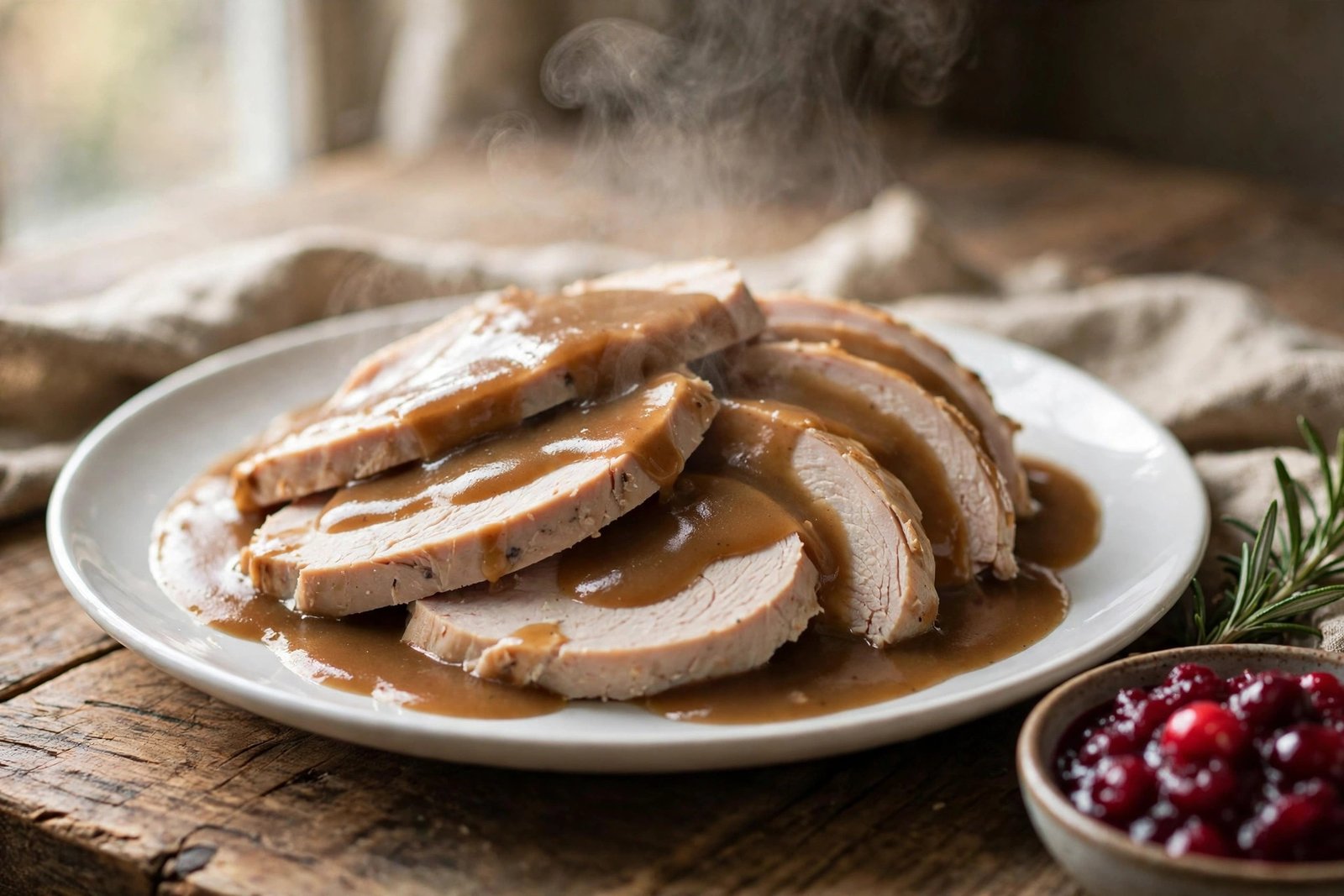
Yesterday’s turkey was the star of the table. Today it is a cold slab in a container at the back of the fridge, and the difference between a second great meal and dry cardboard comes down to one thing: moisture. If you want to know how to reheat turkey leftovers so they taste almost as good as they did fresh from the oven, the trick is not more heat. It is less heat, more liquid, and a little patience.
Most people make the same mistake: cold slices microwaved on full power until the meat turns rubbery and grey. Cooked turkey has already lost much of its water, and hard heat drives out what is left. The fix is simple: add moisture back, heat gently, and cover the dish so the steam stays put.
This guide compares the four methods that work, which cuts reheat best, and how long leftovers stay safe.
Why reheated turkey dries out (and how to stop it)
Turkey dries out on reheating because muscle fibres that tightened once during roasting squeeze harder when heated again, pushing water out. The hotter and faster you reheat, the more water you lose. What you can do is surround the meat with moisture and keep the heat low enough that the fibres relax instead of clenching.
That is why every good reheating method shares the same three ingredients: liquid (a few tablespoons of stock, broth, or gravy), fat (a few pats of butter to coat the fibres), and a cover — foil, a lid, or a damp paper towel — to trap steam around the meat.
The cut matters too. Breast meat is lean, so it dries out fastest. Dark meat — thighs and drumsticks — carries more fat, so it forgives rough handling and often tastes better the second day. Slice before you reheat, so the pieces warm evenly.
How to Reheat Turkey Leftovers in the Oven: The Best Method
The oven is the best method for most situations, especially for a family-size portion. It warms the meat evenly, the foil traps steam, and the low, steady heat gives the stock time to soak back in. The Kitchn’s guide to reheating turkey calls it the best way to reheat turkey, and after testing the alternatives, it is hard to argue.
Heat the oven to 350°F, with a rack in the middle. While it warms up, slice the turkey into even pieces — about a quarter-inch thick — and spread them in a single layer in a baking dish. Use a second dish if you have a lot of meat.
Pour a few tablespoons of stock over the slices and dot the top with butter — the Kitchn’s recipe uses about a cup of broth and a tablespoon of butter per pound of turkey, but a shallow pool of liquid at the bottom of the dish is all you need. Leftover gravy, thinned with a little stock, works just as well and adds flavour.
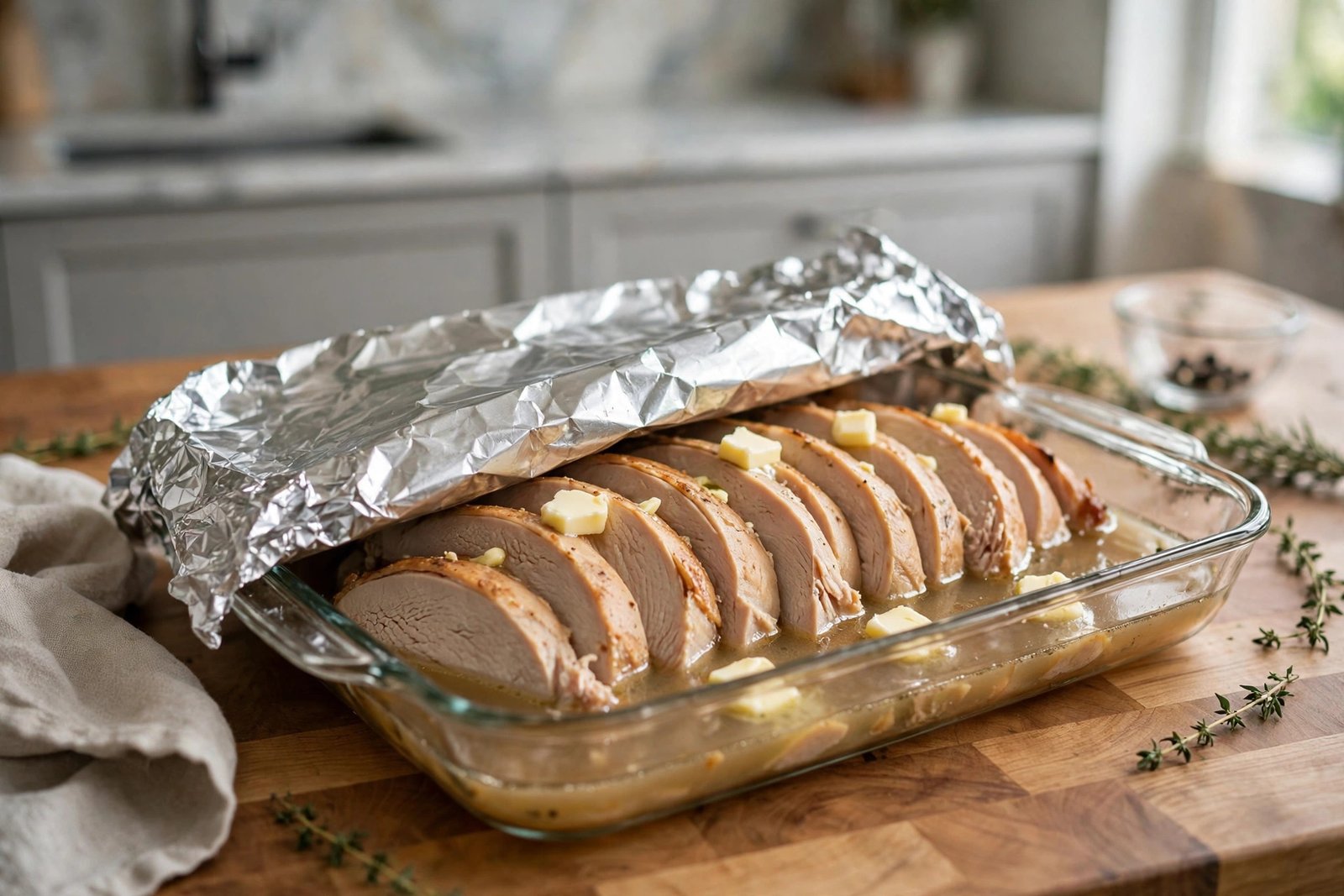
Cover tightly with foil and bake 30 to 35 minutes, until heated through; check with an instant-read thermometer, since the exact time depends on how much meat you have and how cold it started. The USDA says all leftovers should be reheated to 165°F: trust that number, not how hot the dish feels. For the full safety guidance, see the USDA Food Safety and Inspection Service page on leftovers.
Uncover and serve immediately, with the pan juices spooned over the top and the gravy warm on the side. If you like a little colour, slide the uncovered dish under the broiler for a minute or two — but watch it closely, since the steam escapes fast. If you roasted your bird with our guide on how to cook a turkey, the oven is the natural way to bring it back.
How to Reheat Turkey Leftovers in the Microwave
The microwave gets a bad reputation for reheating turkey, and most of it is earned — but the fault is full power. Microwaves heat unevenly and drive moisture out fast at high power. Turn the power down, add liquid, and cover the plate, and the microwave reheats a single serving well in a few minutes.
Cut the turkey into bite-size pieces in a microwave-safe dish, drizzle over a spoonful or two of stock or gravy, and cover with a damp paper towel. The towel traps steam, like the foil in the oven method, and keeps the meat’s surface from drying into leather.
Microwave at 50% power in 1-minute intervals, stirring between rounds. Most single servings are hot in two to four minutes. Check the temperature in a few spots — microwaves leave cold pockets. For more than two people, the oven is faster overall.
The stovetop method: fastest for a single plate
If you only need one plate, the stovetop answers how to reheat turkey leftovers fast without sacrificing much quality. Put the sliced turkey in a skillet with a splash of broth or gravy, cover with a lid, and warm over low heat — the meat heats through in about five to eight minutes.
Stir occasionally so the pieces heat evenly, and keep the heat low — if the broth is boiling hard, the meat is cooking too fast. This method is ideal for shredded turkey for tacos, pasta, or a stir-fry, since the meat is already in the pan where the dish comes together. Keep it to one or two servings per pan: a crowded pan heats unevenly.
Sous vide: the slow, foolproof option
If you own an immersion circulator, sous vide is the most foolproof answer to how to reheat turkey leftovers without drying them out. Seal the sliced turkey in a bag with a splash of broth or a pat of butter, set the water bath to 150°F, and leave it for one to one and a half hours. The meat warms evenly and cannot overcook in the usual sense.
The trade-off is time, and there is no browning — pure, soft, juicy meat. For colour, pat the slices dry and sear thirty seconds a side in a hot, buttered skillet. One honest note: a 150°F bath cannot bring meat to the USDA’s 165°F target, since food cannot get hotter than the water around it. Sous vide is a texture-first method for turkey that was fully cooked, cooled quickly, and stored properly; if you have any doubt about how the leftovers were handled, use the oven or microwave and check for 165°F instead. Serious Eats covers sous vide cooking in detail.
Method comparison: which one should you pick?
There is no single best method — only a best method for your situation.
| Method | Time | Moisture | Best for | Watch out for |
|---|---|---|---|---|
| Oven (350°F, foil) | 30–35 min | Excellent | Family-size portions | Slowest; don’t skip the foil |
| Microwave (50% power) | 2–4 min | Good | Single servings | Cold spots; check several places |
| Stovetop (low, covered) | 5–8 min | Good | Shredded turkey, tacos, pasta | Small batches only |
| Sous vide (150°F bath) | 60–90 min | Best | Texture perfectionists | Slow; no browning |
One rule covers them all: gentle heat plus liquid plus a cover beats fast heat every time.
Reheating by cut: breast, dark meat, and whole pieces
Not all turkey reheats the same way, and knowing how to reheat turkey leftovers by cut is the difference between a good second meal and a disappointing one. Breast meat is the fussiest: lean, quick to dry out, and happiest with the oven method and plenty of broth. Slice it thin, keep it in a single layer, and check it early.
Dark meat is far more forgiving. Thighs and drumsticks carry more fat, which keeps the meat moist as it warms, and they reheat well by any method — including the microwave and the stovetop, where they can simmer in broth without falling apart. Reheat the two cuts separately so the breast comes out as soon as it is hot.
Whole pieces — a leg, a wing, or a thick slice of breast with the skin on — need more time than thin slices, and the skin is the tricky part. Foil keeps the meat moist but leaves the skin soft, so reheat covered, then uncover for the last five minutes so the skin can firm up.
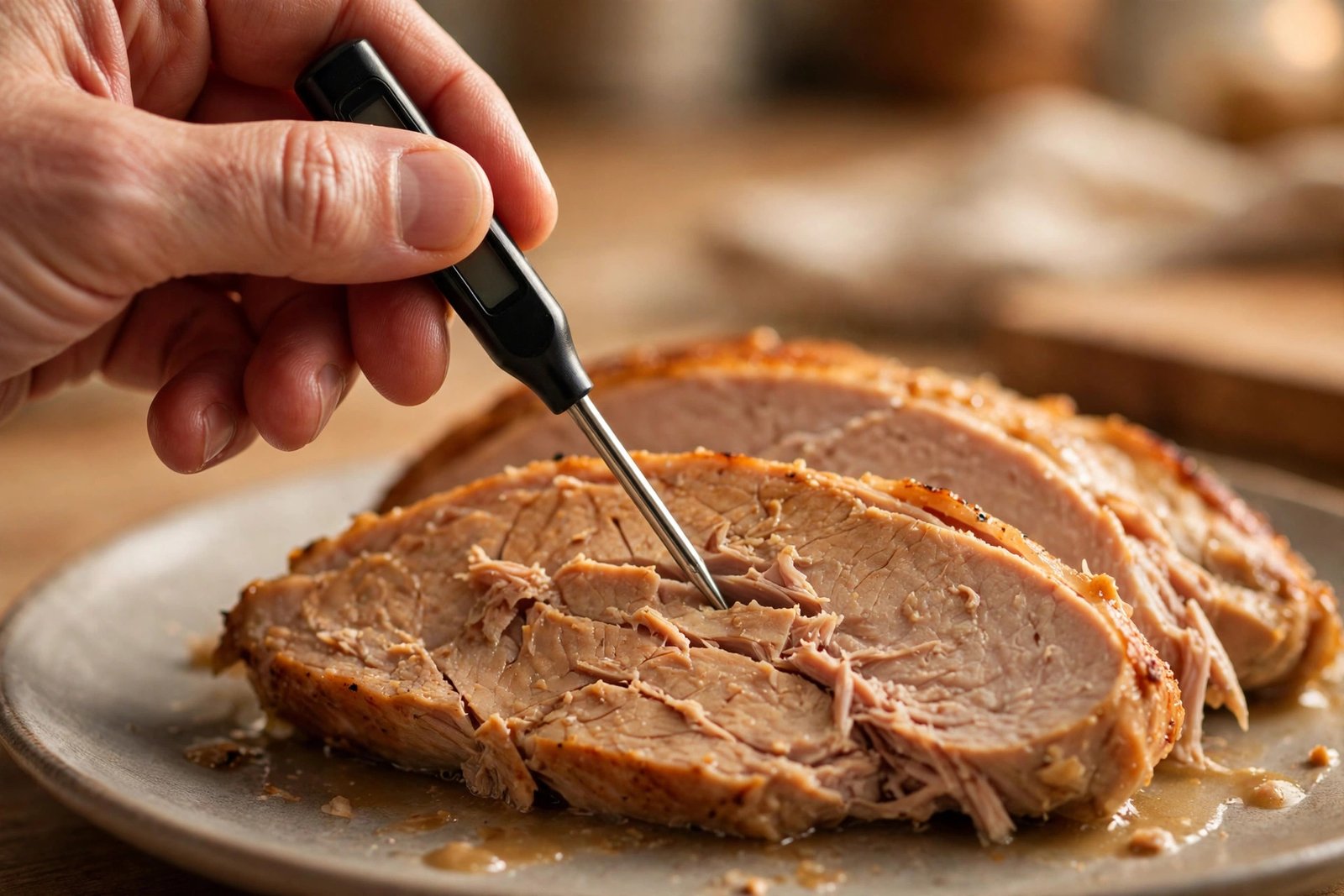
Whatever the cut, the thermometer is the final word. Colour and steam are unreliable: turkey can look steaming hot and still be cool in the centre. Check the thickest piece and serve only at 165°F. Taste of Home’s turkey guides make the same point — a thermometer is the cheapest insurance in the kitchen.
What about the gravy, stuffing, and sides?
The sides need reheating too. Gravy is the easiest: pour it into a small saucepan and bring it to a rolling boil, stirring as it heats. The USDA gives the same advice for all sauces, soups, and gravies — a rolling boil is the safety standard, and it also thins gravy that has thickened in the fridge. If it is still too thick, whisk in a splash of stock.
Stuffing reheats best in the oven, in the same style as the turkey: transfer it to a baking dish, add a splash of broth if it looks dry, cover with foil, and bake at 350°F for about twenty minutes, then uncover for ten to fifteen minutes for a crisp top. Like turkey, stuffing should reach 165°F all the way through. Mashed potatoes and sweet potato casserole reheat well in the microwave with a spoonful of milk or butter stirred in, or in a covered dish in the oven alongside the turkey, and cranberry sauce needs no reheating at all. Our guide to sweet potato casserole covers the dish that benefits most from a second trip through the oven.
Storage first: the rules that make reheating safe
Reheating can only save turkey that was stored properly. The USDA’s rules are simple, and they start the moment dinner ends: refrigerate leftovers within two hours of cooking. Bacteria multiply fastest between 40°F and 140°F, doubling roughly every twenty minutes, so food should not sit out for hours after dinner.
Break the bird down before storing it: carve the meat off the bone, slice or pull it into portions, and pack it into shallow containers so it cools quickly. Our guide to how to carve a turkey walks through the breakdown, and the same cuts that make carving easier also make storage and reheating easier. Keep the gravy in its own container, and label everything with the date.
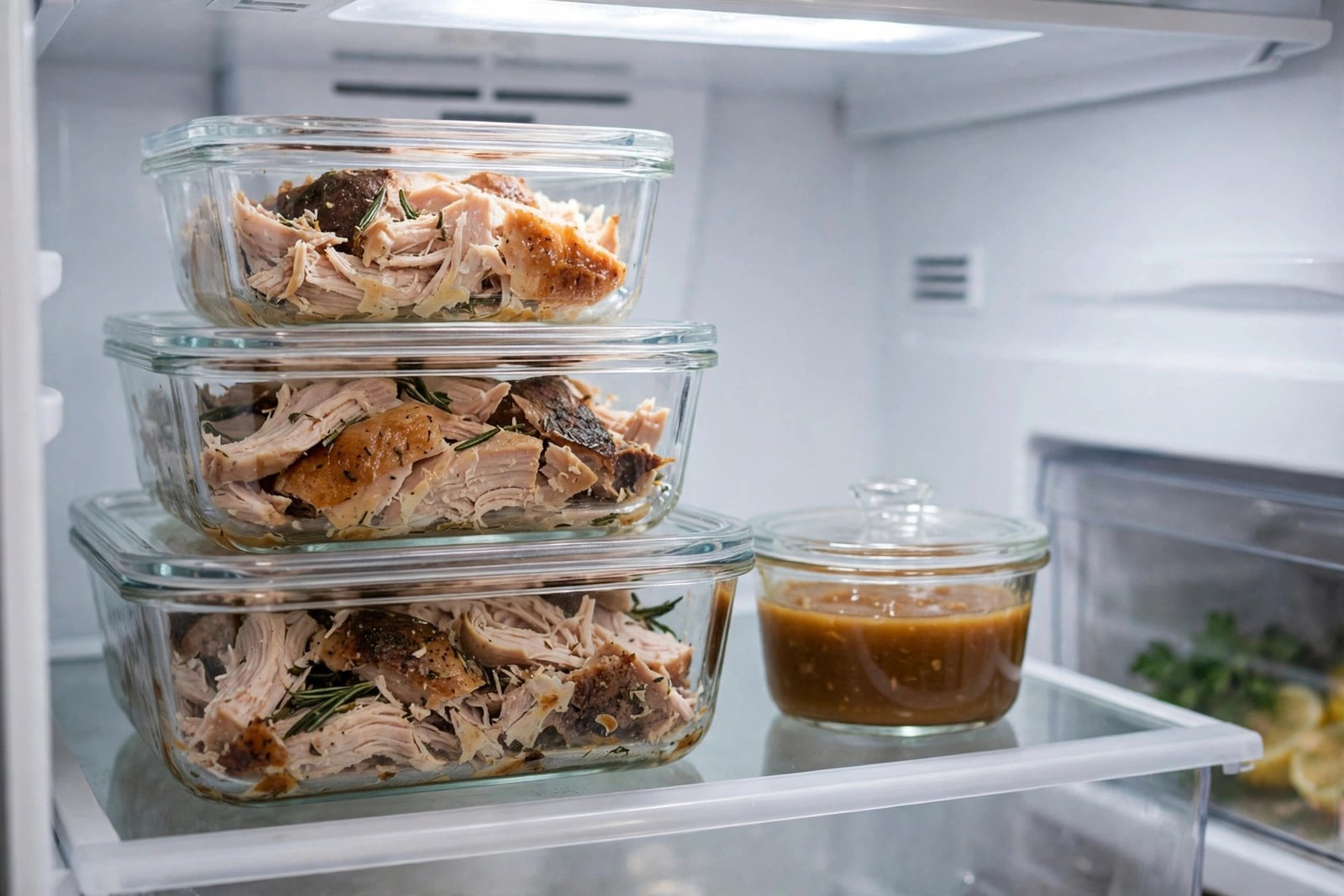
Refrigerated turkey is safe to eat for three to four days — the Monday after Thanksgiving is the last day for Thursday’s bird. After that, it goes in the freezer or in the bin. Frozen turkey keeps its best quality for three to four months at 0°F or below. Thaw frozen turkey in the fridge, in cold water, or in the microwave — and keep heating microwave-thawed turkey until it reaches 165°F.
| Storage | How long | Notes |
|---|---|---|
| Refrigerator (40°F or below) | 3–4 days | Shallow containers, refrigerate within 2 hours |
| Freezer (0°F or below) | 3–4 months | Best quality window |
| Countertop / room temperature | Max 2 hours | 1 hour if the room is above 90°F — then discard |
One rule surprises people: never reheat turkey more than once. Each trip through the temperature danger zone gives bacteria another chance to grow, and a second reheat does not reset the clock. Reheat only the portion you plan to eat. Food Network’s leftover guides repeat the same advice, and it is worth following even when the turkey smells fine — you cannot always smell the bacteria that make you ill.
Mistakes that ruin leftover turkey
The most common mistake is reheating at full power — a microwave on high or an oven at 400°F. High heat is the fastest way to dry turkey out, and no amount of gravy afterwards fixes meat that has been squeezed dry. The second mistake is reheating without liquid: dry meat in a dry dish can only get drier. Even a tablespoon of water helps if you are out of stock. Butter alone is not enough — only liquid replaces lost moisture.
The third mistake is skipping the cover: an uncovered dish lets steam escape, and the surface dries into a tough skin while the centre is still cold. Foil, a lid, or a damp paper towel costs nothing and makes the biggest difference after the liquid. The fourth is reheating the whole container for one serving — every reheat degrades the meat, so portion the turkey when you store it and reheat only what you need.
Frequently asked questions
Can you reheat turkey in the oven without it drying out?
Yes — slice it evenly, add a few tablespoons of stock and a little butter, cover tightly with foil, and bake at 350°F for 30 to 35 minutes. The foil traps steam, the stock replaces lost moisture, and the gentle heat keeps the fibres from squeezing dry. Check that the thickest piece reaches 165°F before serving.
How long does it take to reheat turkey in the microwave?
Two to four minutes at 50% power, in one-minute intervals, covered with a damp paper towel and with a spoonful of broth over the meat. Stir between intervals and check the temperature in several spots, since microwaves heat unevenly.
Is it safe to reheat turkey more than once?
No — reheat only the portion you plan to eat, and only once. Each reheat cycles the meat through the range where bacteria grow fastest, and a second reheat does not make it safe again. Store leftovers in small portions.
How long can you keep leftover turkey in the fridge?
Three to four days, according to the USDA. Refrigerate within two hours of cooking, keep the turkey in shallow covered containers, and use the Monday after Thanksgiving as your deadline for Thursday’s bird. Freeze anything you will not eat by then.
Can you reheat frozen turkey without thawing it first?
Yes, but it takes considerably longer and heats less evenly. For the best texture, thaw overnight in the fridge first.
Which cut of turkey reheats best?
Dark meat — thighs and drumsticks — reheats best, because it has more fat and connective tissue to keep it moist. Breast meat is leaner and dries out fastest, so give it the gentlest treatment: thin slices, plenty of broth, foil, and a low oven. For next year’s bird, see our guide on how to roast a turkey breast.
Conclusion
Once you know how to reheat turkey leftovers with broth, foil, and a thermometer, the days after Thanksgiving become some of the best eating of the year. The oven is the best all-round method, the microwave handles single servings, the stovetop is fastest for shredded meat, and sous vide is there when you want perfection and have time to spare. Keep the heat gentle, the dish covered, and check for 165°F — and Friday’s turkey will taste like Thursday’s.



