
Operating earnings at Berkshire Hathaway fell 5.8% in the third quarter of 2026, to $12.705 billion. On its own, that sounds like a bad quarter. It is not the whole story — and for Berkshire, it is rarely the number that matters most.
The headline number was the 5.8% drop in operating earnings, to $12.705 billion from $13.485 billion a year earlier. But the number that matters more — the one that tells you what management thinks of the stock — was the $9.6 billion Berkshire spent buying back its own shares in a single quarter, the most since 2021.
Net earnings, which include paper gains and losses on Berkshire’s huge stock portfolio, came in at $22.11 billion, down 28% from $30.8 billion a year earlier. Revenue rose 11% to $105.65 billion. Cash piled up to $356.9 billion by the end of September, even after the buybacks — a record that keeps growing because Berkshire cannot find enough to buy at prices it likes.
Berkshire Hathaway Q3 Earnings 2026 at a Glance
Here are the headline numbers from the quarter, alongside the same quarter a year earlier, as reported in the Berkshire Hathaway earnings release.
| Key figure | Q3 2026 | Q3 2025 | Change |
|---|---|---|---|
| Operating earnings | $12.705 billion | $13.485 billion | -5.8% |
| Net earnings | $22.11 billion | $30.8 billion | -28% |
| Insurance underwriting profit | $1.35 billion | $2.36 billion | -42.9% |
| Share buybacks | $9.6 billion | None | — |
| Cash and equivalents (Sept. 30) | $356.9 billion | — | — |
| Revenue | $105.65 billion | $95.0 billion | +11% |
The gap between the two profit measures is the whole story of this quarter. Operating earnings tell you how the businesses did. Net earnings tell you how the stock market did. Berkshire’s businesses earned less, mostly because of insurance. Its stock portfolio gained, but not as much as last year. The buybacks say management would rather own more of the businesses than sit on the cash.
Why Operating Earnings Fell: Insurance Was the Drag
The single biggest reason operating earnings fell was insurance underwriting. GEICO, Berkshire’s auto insurer, earned less as claims costs stayed high and pricing increases slowed. Underwriting profit across the insurance group fell 42.9%, to $1.35 billion from $2.36 billion a year earlier.
That is a big percentage, but it is worth keeping in proportion. Insurance is a cyclical business: a bad quarter for claims does not mean the franchise is broken. GEICO has been through this cycle before, and Berkshire’s insurance float — the premiums it holds before paying claims — keeps growing regardless.
The other drag was currency. A stronger dollar reduced the value of some overseas earnings, and a few industrial businesses reported softer demand. None of this is dramatic on its own. Together, it was enough to push operating earnings down 5.8%.
Operating Earnings vs. Net Earnings: What Is the Difference?
This is the part of Berkshire’s reporting that confuses most readers, so it is worth a minute. Operating earnings are the profits from Berkshire’s actual businesses — insurance, railroads, energy, manufacturing, retail, and the rest. Net earnings add the change in value of Berkshire’s stock portfolio, which swings wildly with the market.
Warren Buffett has said for years that net earnings are a misleading measure for Berkshire, because the portfolio’s paper gains and losses say nothing about how the businesses are doing. A quarter in which the stock market falls can make Berkshire look unprofitable even when every business is earning well.
That is why analysts and long-term shareholders focus on operating earnings. They are the cleaner signal. If you want a deeper explanation of how the numbers work, our guide to what a credit freeze is and how it works covers a different but related corner of personal finance — the mechanics of protecting your own money while the market moves.
The $9.6 Billion Buyback: The Quarter’s Real Story
Berkshire spent $9.6 billion buying back its own shares in the third quarter, the most since 2021. That is the number that matters, because buybacks are the one thing management controls completely. They happen only when Buffett and Abel believe the stock is cheap relative to the value of the businesses.
The scale is striking. The $9.6 billion is more than double what Berkshire spent on buybacks in the same quarter last year, and it comes after several quarters of relatively modest repurchases. According to a Reuters report on Berkshire’s accelerated buybacks, the pace picked up sharply in September, when the share price dipped below the level at which management has historically stepped in.
For shareholders, a buyback is a quiet dividend. Every share Berkshire retires increases your ownership of the remaining businesses by a fraction. At $9.6 billion a quarter, that adds up fast — and it is a far better use of cash than paying a dividend Berkshire has always resisted. The company publishes its results and commentary through the official Berkshire Hathaway news releases page, which is the primary source for the figures in this article.
BNSF and the Rest of the Empire Held Up
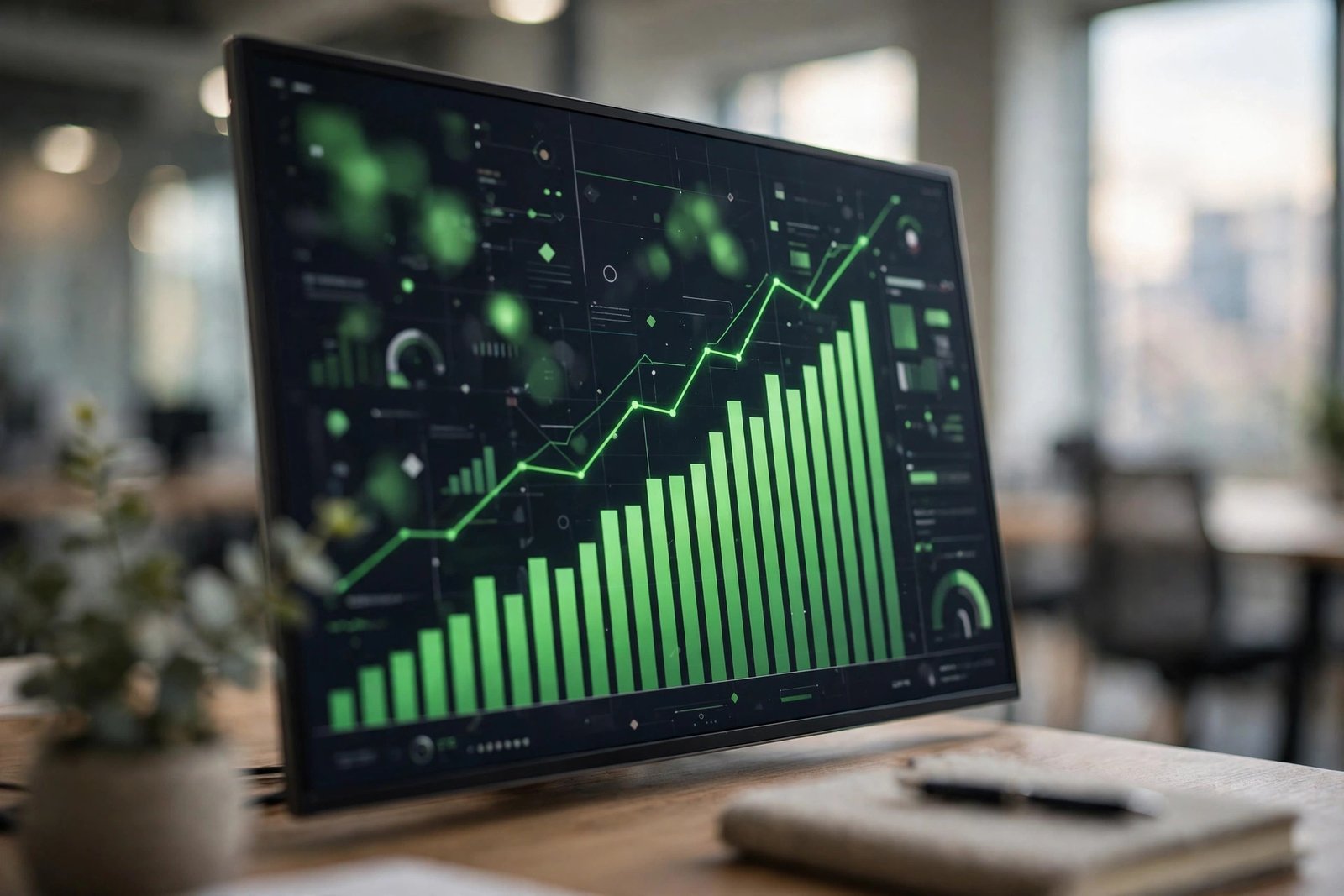
Outside insurance, the rest of Berkshire’s empire mostly held up. BNSF, the railroad, reported steady volumes and pricing, and the energy businesses were stable. Manufacturing was mixed: some units reported softer demand, while others — particularly those tied to housing and infrastructure — held up well.
That breadth is the point of Berkshire. No single business has to carry the quarter. When insurance stumbles, the railroad, the energy division, and the dozens of manufacturing and retail businesses keep earning. The conglomerate structure that critics call unwieldy is also the reason a 42.9% drop in underwriting profit only cost the group 5.8% of operating earnings.
The revenue figure tells the same story: $105.65 billion, up 11% from $95.0 billion a year earlier. Berkshire is still growing, even in a quarter when its most profitable division had a bad three months.
The Abel Era: Spending the Cash Hoard
The buybacks are also the clearest sign yet of the Greg Abel era. Abel, who took over as chief executive at the start of 2026, has moved faster than Buffett did in his final years to put Berkshire’s cash to work. The $9.6 billion quarter is the largest buyback since 2021, and it follows a first half in which repurchases were already running above the recent trend.
Abel’s approach is not a break with Buffett’s philosophy — it is the same discipline, applied more aggressively. Berkshire will not overpay for acquisitions, and it will not pay a dividend. But when the stock trades below what management believes it is worth, buying it back is the obvious move. The third quarter shows Abel is willing to act on that belief at scale.
Investors should expect more of the same. With $356.9 billion in cash and a buyback programme that is now running at a $9.6 billion quarterly pace, Berkshire has the firepower to keep retiring shares for years without touching its operating businesses.
What the $357 Billion Cash Pile Means Now
Berkshire’s cash pile — $356.9 billion at the end of September — is the largest in the company’s history, and it keeps growing. The question every shareholder asks is the same: when will Berkshire spend it?
The honest answer is that nobody knows, including Abel. Berkshire’s problem is not a lack of ideas; it is a lack of ideas at the right price. The company needs acquisitions large enough to move the needle on a $1 trillion business, and there are not many of those. A $10 billion acquisition is a rounding error for Berkshire. It needs $50 billion deals, and those are rare — and usually expensive when they appear.
Until one does, the cash earns interest — and at current rates, that interest is substantial. Berkshire’s Treasury bill holdings alone generate billions a year in income. That is the quiet benefit of the pile: it is not dead money. It is earning a return while management waits for the right price.
If the wait stretches on, expect the buybacks to continue. They are the pressure valve: a way to return cash to shareholders without a dividend, and without overpaying for an acquisition. For a closer look at how borrowing costs interact with cash decisions, see our guide to what a home equity loan is.
What This Means for Everyday Investors
For most investors, the lesson of this quarter is simple: ignore the headline. A 5.8% drop in operating earnings sounds bad. A 28% drop in net earnings sounds worse. But the businesses are fine, the cash pile is at a record, and management is buying back shares at the fastest pace in five years. That is a company confident in its own value, not one in trouble.
If you hold Berkshire, the quarter is reassuring. If you do not, the buybacks are a useful signal: management thinks the stock is cheap. That does not mean you should rush to buy — Berkshire is a long-term holding, not a trade — but it does mean the people who know the business best are putting their money where their mouth is. For a sense of the broader economy Berkshire operates in, see our coverage of the US jobs report for November 2026, and for a lighter take on managing your own money, our comparison of cash back vs. travel rewards credit cards.
Frequently Asked Questions
Did Berkshire Hathaway lose money in Q3 2026?
No. Berkshire earned $12.705 billion in operating profit and $22.11 billion in net earnings. Both figures were lower than a year earlier, but the company was solidly profitable.
Why did operating earnings fall 5.8%?
Mostly insurance. Underwriting profit fell 42.9% as claims costs stayed high and pricing increases slowed at GEICO. Currency effects and softer industrial demand also contributed.
What are share buybacks, and why did Berkshire spend $9.6 billion on them?
A buyback is when a company purchases its own shares and retires them, increasing each remaining shareholder’s ownership. Berkshire spent $9.6 billion because management believes the stock is undervalued — the most it has spent on buybacks in a single quarter since 2021.
How much cash does Berkshire have now?
$356.9 billion at the end of September 2026, a record. That is after the $9.6 billion in buybacks, so the pile grew even while Berkshire was spending.
Is Greg Abel changing Berkshire’s strategy?
Not fundamentally. Abel is applying the same discipline as Buffett — no overpaying, no dividend — but moving faster to deploy cash through buybacks when the stock is cheap.
Should I buy Berkshire stock after this earnings report?
That depends on your goals, time horizon, and risk tolerance. The buybacks suggest management sees value, but Berkshire is a long-term holding. This article is not investment advice; consider speaking to a financial adviser before investing.
Conclusion
Berkshire Hathaway’s third quarter of 2026 looks worse than it is. Operating earnings fell 5.8%, and net earnings fell 28%, but the businesses are healthy, revenue grew 11%, and the cash pile hit a record $356.9 billion. The real story is the $9.6 billion in buybacks — the most since 2021 — which says management believes the stock is cheap.
For shareholders, that is the number to remember. Berkshire is not a company in trouble. It is a company with too much cash, a disciplined new chief executive, and a clear view of its own value. The buybacks are the proof.



