
Gas vs Electric Water Heater: Which Is Better for Your Home in 2026?
Your water heater is one of the hardest-working appliances in your home, and one of the least thought about, until the shower runs cold. When that moment comes — and it always comes eventually — the choice you make next will shape your energy bills for the next decade. The two main options are gas and electric, and they heat water in different ways, cost different amounts to buy and run, and suit different homes. Knowing the difference matters more than most people realise, because the right choice depends on your gas prices, your electricity prices, and how much hot water your household uses.
This guide compares gas and electric water heaters across seven key factors — cost, efficiency, recovery speed, lifespan, and more — and then looks at the heat-pump option that is changing the maths in 2026. By the end, you should know exactly which system fits your home.
Why Water Heating Deserves Your Attention
Water heating is the second-biggest energy cost in most homes, after heating and cooling. The U.S. Department of Energy estimates that water heating accounts for about 18% of a household’s energy use, and in homes with big families or older tanks, it can be even higher. Over a decade, the gap between a cheap-to-run system and an expensive one can add up to thousands of dollars.
That is why the choice matters: a gas water heater and an electric water heater can differ by hundreds of dollars a year in running costs, even in the same house. The right one depends on your local gas and electricity prices, whether your home already has a gas line, how much hot water your household uses, and how long you plan to stay in the home.
If you are replacing a failed unit and need a realistic budget, our guide to how much it costs to replace a water heater will give you a starting point. This guide builds on that, so you can compare the two main systems on the same footing.
How a Gas Water Heater Works
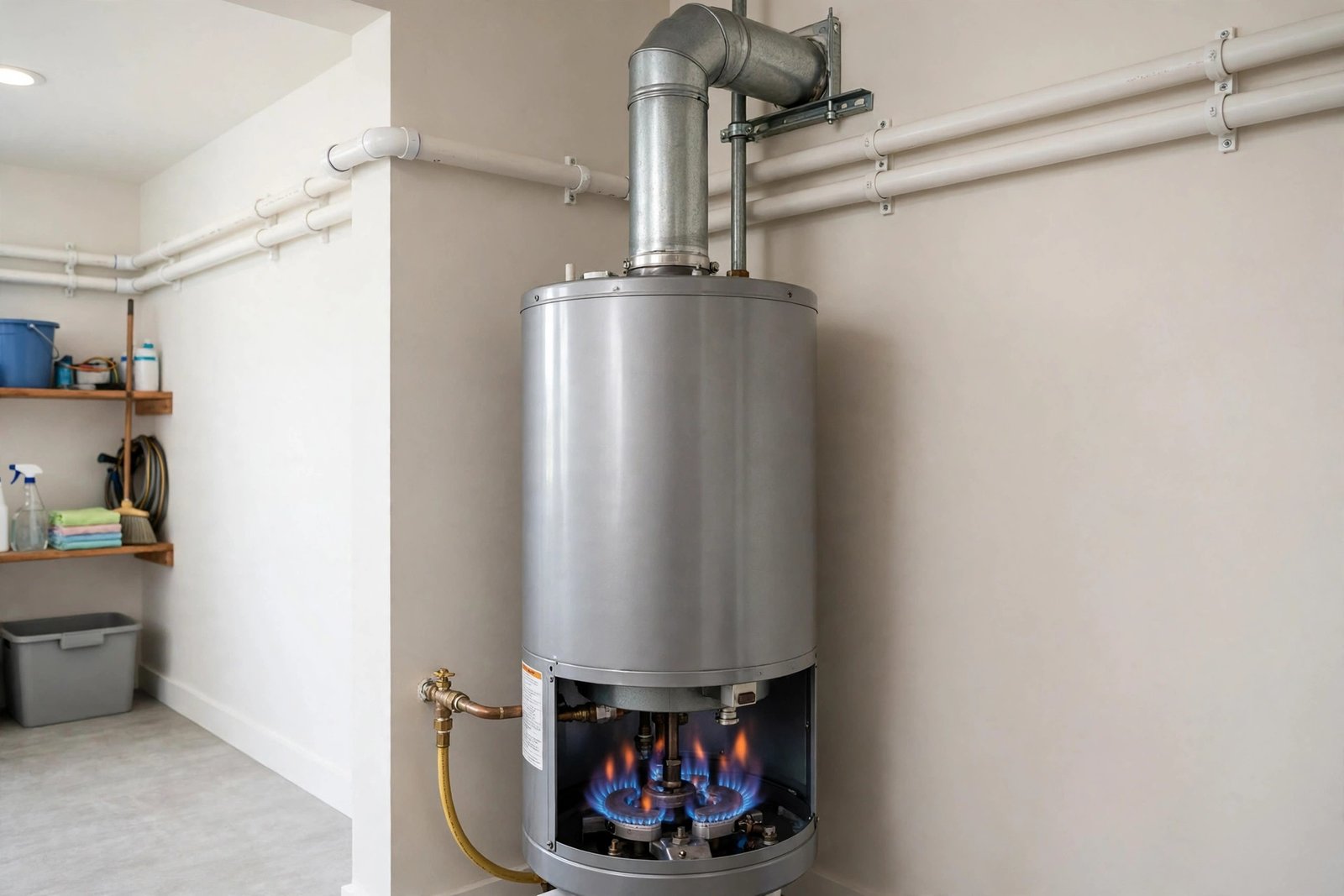
A gas water heater burns natural gas or propane in a burner at the bottom of the tank, heating the water inside. A flue carries the exhaust gases out of the house, which is why gas heaters need a vent. Most gas models use a pilot light, though some newer ones use electronic ignition. They heat water quickly and recover fast after a heavy shower, which is one of their biggest selling points.
The other advantage is the running cost. Where natural gas is cheap, a gas water heater is often cheaper to run than an electric one, because gas delivers more heat per dollar. The tradeoff is efficiency: a standard gas tank wastes 30 to 40 percent of its heat up the flue, so you pay for energy that never reaches your shower. Gas heaters also need a gas line, a vent, and more careful maintenance — and they can be noisier than electric models. For a closer look at how the two systems stack up in practice, Brooks Heating and Air’s gas vs electric comparison is a useful starting point, and the Flow Pro Plumbing’s water heater debate covers the same ground from a plumber’s perspective.
How an Electric Water Heater Works
An electric water heater uses one or two heating elements inside the tank, much like a giant kettle. It needs no vent, no flue, and no gas line — just a dedicated electrical circuit. That makes installation simpler and cheaper, and it means an electric heater can go in almost any home, including one without a gas connection.

Electric resistance heaters are efficient in one sense: almost all the electricity they use becomes heat in the water, with very little wasted. The catch is the price of the fuel. Where electricity is expensive, the running cost can be far higher than gas, even though the heater itself is more efficient. Electric heaters also recover more slowly — a 40-gallon tank can take two to three hours to reheat fully after a heavy shower, compared with about an hour for gas. They are quiet, low-maintenance, and simple, but they are not cheap to run in high-price areas.
There is also a cold-water sandwich effect to be aware of. If you use a lot of hot water at once, an electric tank can run out before the elements catch up, and the water will turn lukewarm. A larger tank helps, but it costs more to heat and takes up more space. That is the practical tradeoff: electric is simple and cheap to install, but it is slower and, in many places, more expensive to run.
Gas vs Electric Water Heater: The Head-to-Head Comparison
The table below puts the two systems side by side on the factors that matter most. Use it to see at a glance where gas wins, where electric wins, and where the answer depends on your home.
| Factor | Gas | Electric (Resistance) |
|---|---|---|
| Upfront cost | $800–$1,500 | $600–$1,200 |
| Installation | Needs a gas line and a vent; $500–$1,000 extra | Simple; no vent, no gas line |
| Running cost | Usually lower where gas is cheap | Higher where electricity is expensive |
| Recovery speed | About 1 hour for a 40-gallon tank | 2–3 hours for the same tank |
| Energy efficiency | 60–70% (much heat escapes up the flue) | 90–95% (almost no heat wasted) |
| Lifespan | 8–12 years | 10–15 years |
| Works in a power cut | Yes, for most models | No |
| Carbon emissions | Higher, burns fossil fuel | Depends on your electricity source |
A few things the table cannot show on its own. First, the running cost gap depends almost entirely on your local fuel prices. Where gas is cheap and electricity is expensive, gas wins on running cost. Where electricity is cheap — or where you have solar panels — electric can be cheaper. Second, the carbon picture depends on your grid: a gas heater always burns fossil fuel, while an electric heater is as clean as the electricity that powers it. Third, the heat-pump option below changes the maths again, and it is worth reading before you decide.
The Heat Pump Option Changing the Math in 2026
Before you settle on gas or electric, there is a third option worth knowing about: the heat pump water heater. It works like a refrigerator in reverse, pulling heat from the air around it and using it to warm the water. It uses about a third of the electricity of a standard electric heater, and it can cut water heating costs by 60 to 70 percent.
The numbers are striking. A standard electric tank might use 4,500 kilowatt-hours a year; a heat pump model might use 1,500. That saving pays for the higher upfront cost over time — heat pump models cost more to buy, but they use so little electricity that they often pay for themselves within a few years, especially if you are on a high electricity tariff.
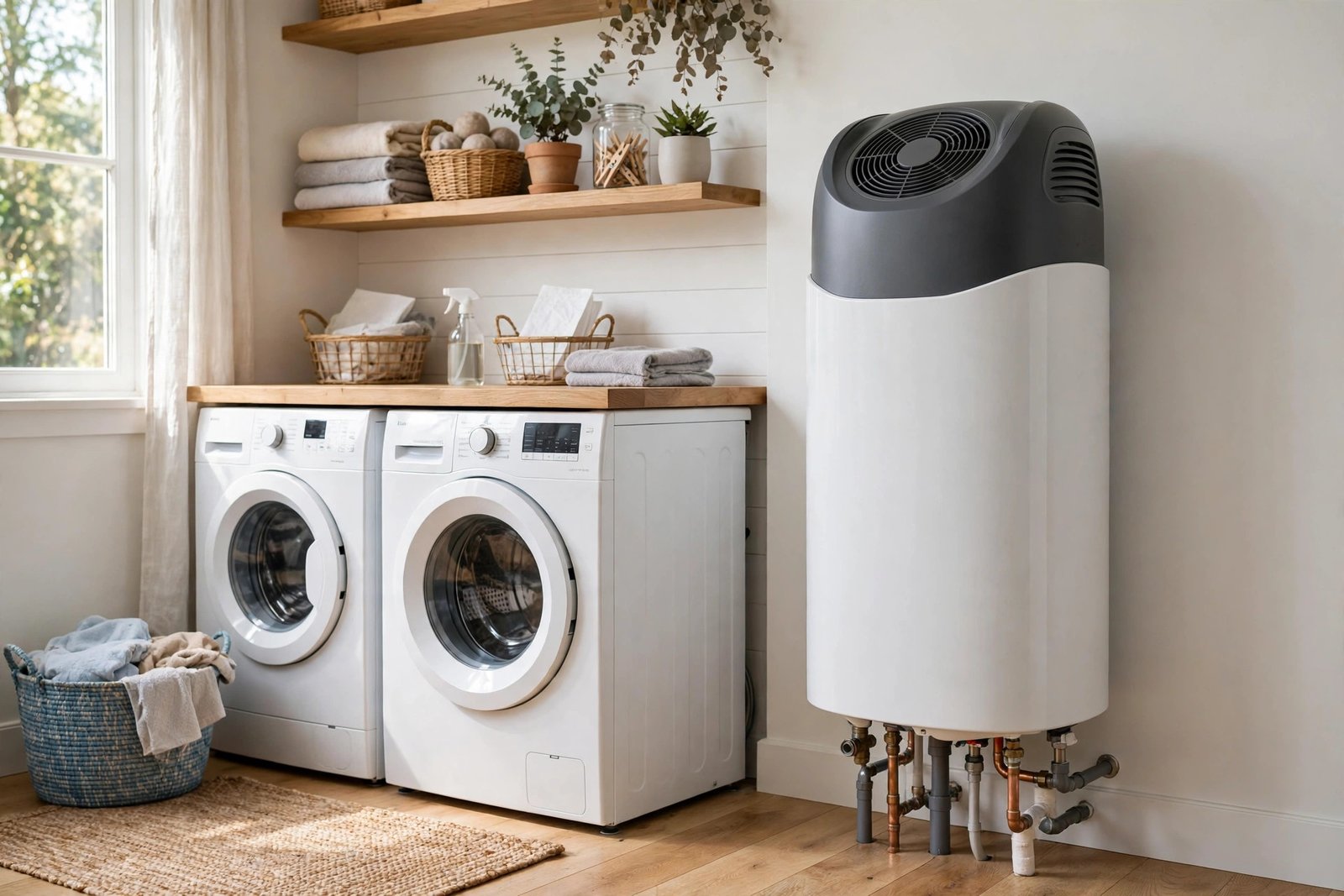
There are tradeoffs. Heat pump water heaters need space and airflow around them, so they do not suit a small cupboard. They are noisier than a standard tank, and they work best in warm climates or heated rooms. They are also more expensive upfront. But for a household that plans to stay put for a decade, they are the cheapest to run by a wide margin. If you want to see how they are certified and tested, the ENERGY STAR program lists models that meet its efficiency standard. If you are also considering solar, our guide on how much it costs to install solar panels will help you work out whether the two investments work together.
If you are weighing gas against electric, the heat pump is the option that breaks the tie. It is not the right choice for every home, but it is the one that most people regret not knowing about. And if your home is already using a heat pump for space heating, adding a heat pump water heater is a natural next step.
Which One Should You Choose?
Choose gas if your home already has a gas line, gas is cheap in your area, your household uses a lot of hot water at once, and you want the fastest recovery. Gas suits a family with teenagers, a home with multiple bathrooms, and anyone who wants a hot shower back quickly.
Choose electric if your home has no gas line, electricity is cheap in your area, your household uses less hot water, or you want the simplest, lowest-maintenance option. Electric suits a smaller household, a flat or a home without gas, and anyone who values quiet and simplicity over speed. If you want the cheapest running cost of all, look at the heat pump option above before you decide.
There is no single best choice. The best system for your home is the one that fits your fuel prices, your household size, and how long you plan to stay. Use the table above to compare the factors that matter to you, and get quotes for both types before you decide.
Installation and Maintenance Tips
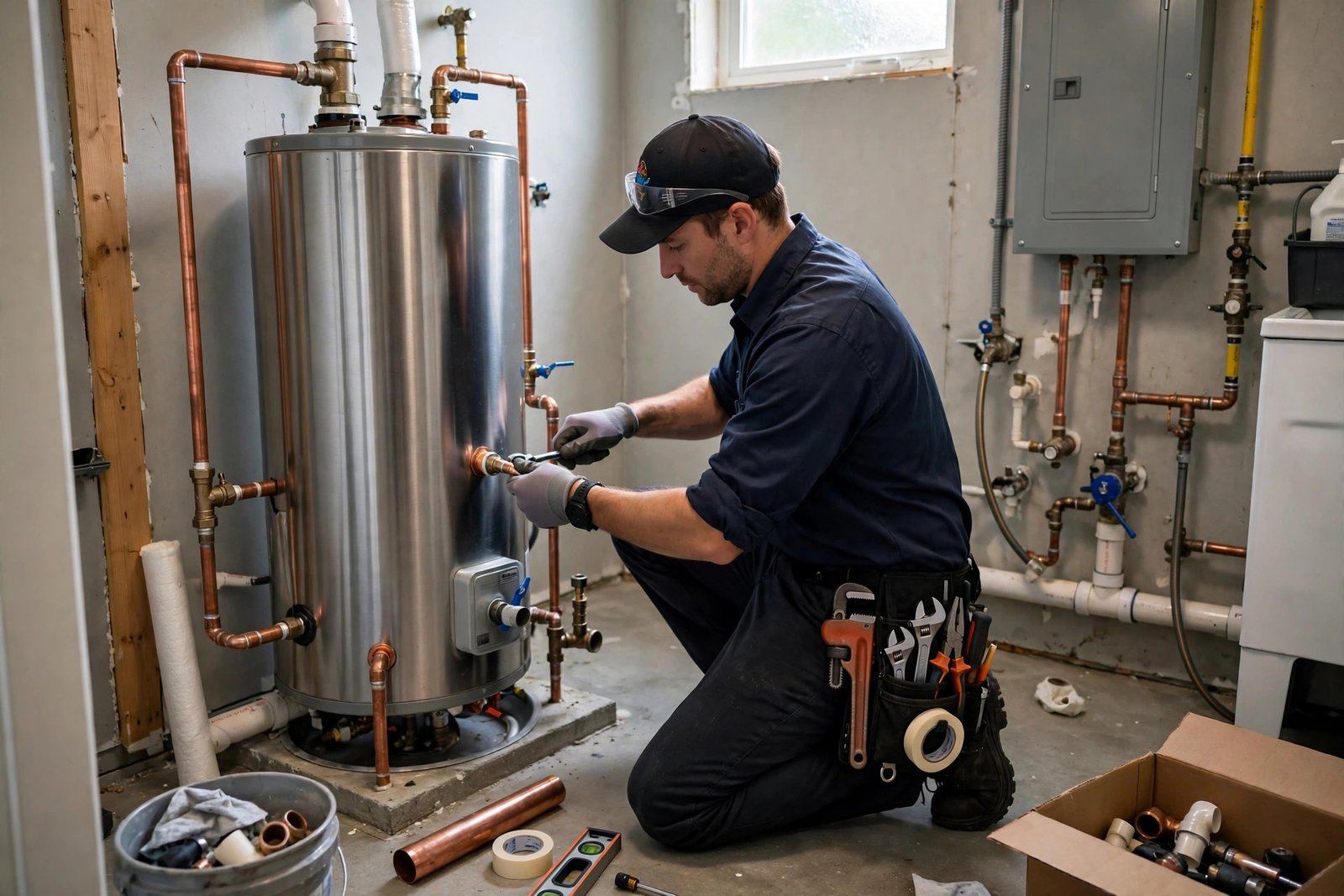
Whichever type you choose, a few habits will keep it running well for years. Flush the tank once a year to clear sediment, which can build up and reduce efficiency. Check the anode rod every few years — it protects the tank from corrosion, and replacing it is far cheaper than replacing the tank. Set the thermostat to 120°F, which is hot enough for showers and washing up, but not so hot that it wastes energy or risks scalding. And leave installation to a qualified professional: gas needs a gas-safe engineer, and electric needs a qualified electrician, and both need to be done right.
The Plumbing Tools Review’s electric vs gas guide has a detailed section on installation and maintenance, and it is a useful check on the numbers in this article. If you are also looking to cut your heating bill more broadly, our guide on saving money on heating in winter covers the other big wins.
Frequently Asked Questions
Is a gas or electric water heater cheaper to run?
It depends on your local prices. Where natural gas is cheap, a gas water heater usually costs less to run. Where electricity is cheap — or where you have solar panels — electric can be cheaper. Check both prices before you decide.
How long does a water heater last?
A gas water heater typically lasts 8 to 12 years, and an electric one lasts 10 to 15 years. Regular maintenance, especially flushing the tank and checking the anode rod, can extend the life of either type.
Can I replace a gas water heater with an electric one?
Yes, but you will need an electrician to run a dedicated circuit, and you may need to cap the gas line. The installation is usually simpler than the other way round, because electric heaters need no vent.
What size water heater do I need?
A 40-gallon tank suits a household of two to three people, and a 50-gallon tank suits four to five. If you have a large family or a big bath, go bigger, and consider a heat pump model for the running cost.
Are heat pump water heaters worth it?
For most homeowners who plan to stay in their home for a decade, yes. They cost more upfront but use about a third of the electricity of a standard electric tank, and they often pay for themselves within a few years.
Conclusion
There is no single best water heater, only the best one for your home. Gas wins on recovery speed and on running cost where gas is cheap. Electric wins on simplicity, on installation cost, and on homes without a gas line. And the heat pump option wins on running cost for almost everyone who can fit one. The right choice depends on your fuel prices, your household size, and how long you plan to stay.
Use the table above to compare the factors that matter to you, get quotes for both types, and ask the installer about the heat pump option before you decide. It is a decision you will live with for a decade — it is worth taking the time to get it right.



