
November 2026 Pixel Drop: Gemini Intelligence, Pixel Tag, and Android 17 QPR2
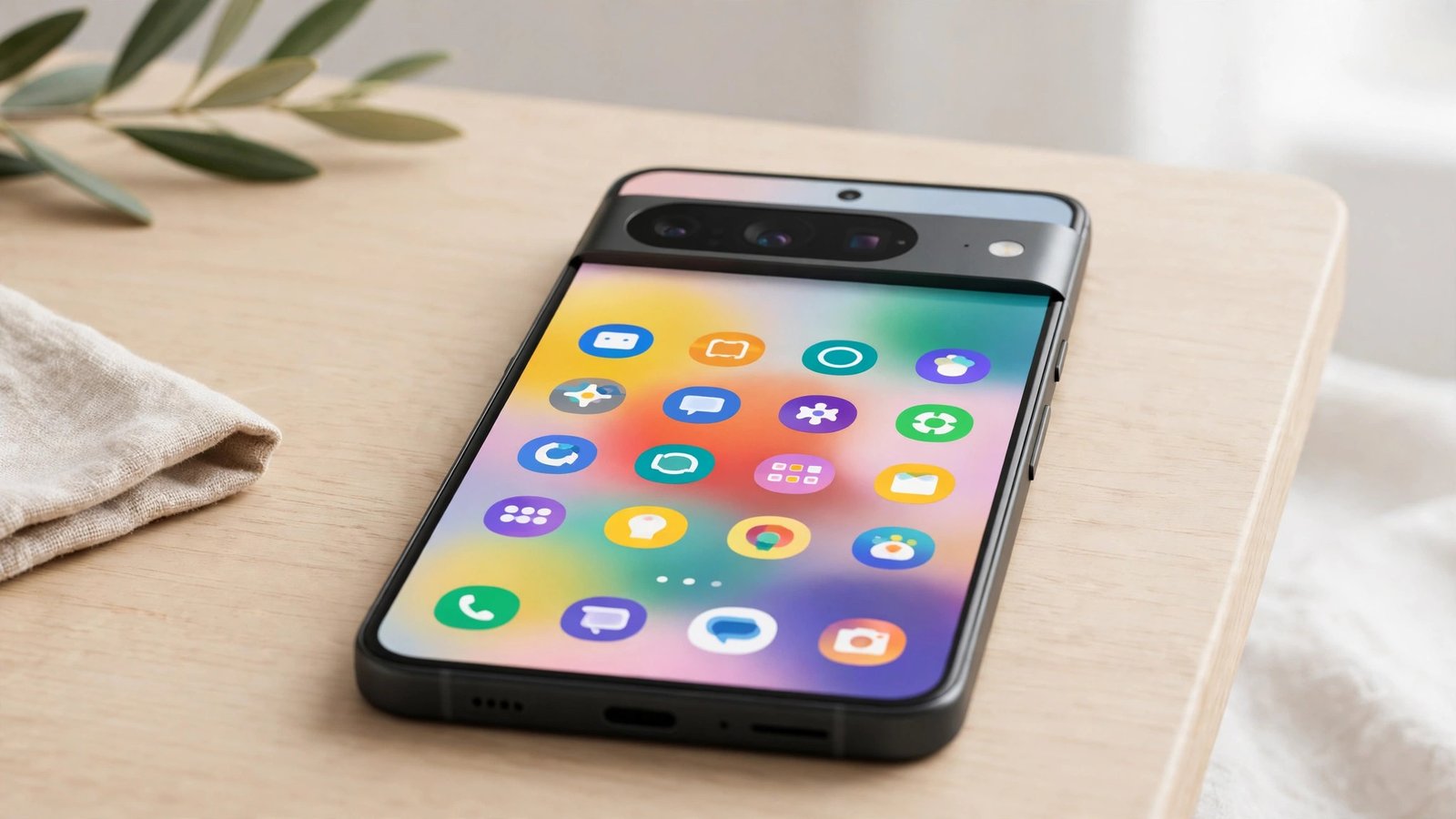
Google announced the November 2026 Pixel Drop on Monday, November 10 — a month early, just like last year — and it is one of the biggest feature updates Pixel owners have had in a while. The headline is Gemini Intelligence arriving on the Pixel 10 series, bringing the AI features that launched with the Pixel 11 to last year’s phones. Alongside it comes the new Pixel Tag tracker, going on sale today, November 11, plus Gemini Call Screen on the Pixel 11, a wider Pixel Search, new custom icons and widgets, and the Google Fi super network — all paired with Android 17 QPR2.
The rollout started on November 10 and continues over the next several weeks, so when your phone gets it depends on your model and your carrier. This is a feature update, not a new phone launch: no new Pixel handset was announced, and nothing here requires buying new hardware — if you own a Pixel 10, most of the headline features are coming to the phone you already have.
November 2026 Pixel Drop: What Is New
Pixel Drops are Google’s quarterly feature updates for Pixel phones, and this drop is the biggest of the year so far. The theme is Gemini Intelligence: the set of on-device AI features that debuted with the Pixel 11 series this autumn, now extended to the Pixel 10, Pixel 10 Pro, Pixel 10 Pro XL, and Pixel 10 Pro Fold. Google’s own announcement, on the Google blog’s November Pixel Drop page, frames it as bringing “smarter automation, next-level personalization, and upgraded connectivity” to Pixel devices — and, unusually for a feature drop, it also launches a new piece of hardware in the Pixel Tag.
Here is the short version: Pixel 10 owners get Gemini Intelligence, including the Rambler voice tool and multi-step automations. Pixel 11 owners in the US get Gemini Call Screen. Everyone gets the Pixel Tag option, wider Pixel Search, and new ways to personalise the home screen. And the whole package arrives with Android 17 QPR2, the second quarterly platform release of Android 17.
Gemini Intelligence Comes to the Pixel 10 Series
The biggest news in the drop is for anyone still carrying a Pixel 10. Gemini Intelligence is now available on the Pixel 10, Pixel 10 Pro, Pixel 10 Pro XL, and Pixel 10 Pro Fold — the same set of AI features Pixel 11 owners have had since the autumn. The lead feature is Rambler, a voice typing tool built into Gboard: you talk the way you normally would, and Gemini strips out the filler words, repetitions, and half-finished thoughts, formatting what you said into clean text. It is the kind of feature that sounds minor until you use it to dictate a long message and realise you did not have to edit it afterwards. Rambler works in all regions and languages on Pixel 10, according to Google.
Beyond Rambler, Gemini Intelligence brings personalised suggestions and multi-step automations — the phone taking care of tasks that used to need several apps. 9to5Google’s Pixel Drop coverage lists Gemini app automation for ordering groceries, ride-sharing, meal delivery, marketplace transactions, and booking reservations, plus Gemini making calls on your behalf in the US on Pixel 10 and newer. The automations are limited to select regions and languages, so availability will vary — but the direction is clear: Google wants the Pixel to do the task, not just open the app for it.
There is one notable exclusion: the Pixel 10a does not get Gemini Intelligence in this update. Google lists only the Pixel 10 and Pixel 11 phones for the feature, which is worth knowing if you bought the cheaper model expecting the same AI features.
Pixel Tag Goes on Sale Today, November 11
The second headline is hardware. The Pixel Tag, Google’s first item tracker — first shown off at the Made by Google event in August — goes on sale today, November 11. It costs $29.99 for one, or $99.99 for a four-pack, and it taps into Google’s Find Hub network of over one billion Android devices, so a lost item can be located through nearby Android phones even when it is far from yours. The battery lasts over a year, and the tag works with any phone running Android 9 or later. Android Headlines’ Pixel Drop report confirms the same pricing and the Find Hub network behind it.
That puts it directly against Apple’s AirTag and Samsung’s SmartTag, and the pricing is deliberate: $29.99 undercuts the AirTag’s usual $29 price point by a cent, and the four-pack at $99.99 matches Apple’s bundle exactly. The difference is the network. Find Hub’s billion-plus devices give the Pixel Tag a real chance of finding things in places where the tracker itself has no connection — the same logic that made the AirTag work, now on Android’s much larger installed base.
For Pixel owners, the practical question is whether the tag is worth it if you already have a tracker from another brand. If your household is all Android, the answer is probably yes: the Find Hub network is the same one your phone already uses, and the integration with the Find Hub app is native rather than bolted on. If you split your time between Android and iPhone, a cross-platform tracker may still make more sense — but for most Pixel owners, this is now the default option.
Gemini Call Screen Arrives on Pixel 11 — in the US Only
Pixel 11 owners get their own exclusive in this drop: Gemini Call Screen, an intelligent assistant that screens incoming calls on demand, asking unknown callers about the purpose of their call in a conversational tone and showing you a live transcript so you can decide whether to pick up. It is the evolution of the Call Screen feature Pixel phones have had for years, now powered by Gemini rather than a fixed script.
The catch is geography. Google’s own footnote lists Gemini Call Screen as available on the Pixel 11, Pixel 11 Pro, Pixel 11 Pro XL, and Pixel 11 Pro Fold in the US — and no other country is named. For now, at least, it is a US-only feature, which is unusual for a flagship Pixel capability and a reminder that AI features roll out country by country, not all at once.
If you are outside the US, the rest of the drop still applies to you — Gemini Intelligence on Pixel 10, Pixel Tag, the search and personalisation updates — but Call Screen will have to wait. Google has not announced a date for other countries.
The Rest of the Drop: Search, Widgets, Icons, and Fi
Beyond the two headlines, the drop fills in a lot of smaller improvements. Pixel Search gets wider, reaching more of the phone’s content and apps from one place. There are ten new custom icon styles, plus a widget builder — Create My Widget — that lets you design your own widgets with a prompt, available on the Pixel 10 and 11 series. The Pixel 10 and newer can also use Gemini to make calls on your behalf in the US, a feature that started beta testing in September.
Then there is the Google Fi super network, Google’s upgraded connectivity offering for Fi subscribers, which arrives as part of the same update. Google has not made a lot of noise about it, but for Fi customers it is the kind of quiet infrastructure improvement that matters more over months than any single feature.
It is worth keeping this story separate from Google’s other November announcement. The company’s TPU chip announcement, covered in our report on the Google TPU announcement from November 2026, is a datacentre and AI infrastructure story — the performance claims there belong to that announcement, not to this one. The Pixel Drop is about the phone in your hand, not the chips in Google’s servers.

Android 17 QPR2 and the Rollout: When Will You Get It?
This drop is paired with Android 17 QPR2, the second quarterly platform release of Android 17. That matters because it means the update is bigger than a normal monthly patch: QPR releases carry platform-level changes alongside the feature drops, and they are the updates that tend to arrive with the most visible differences.
The rollout started on November 10 and continues over the next several weeks. Google staggers these releases by model and carrier, so there is no guaranteed date for any individual device — a Pixel 10 on one carrier may get it days or weeks before the same phone on another. If the update has not arrived yet, the honest answer is to wait: checking for updates manually sometimes helps, but it will not override the staged rollout.
The timing is also notable. Like last year, the drop arrives a month early — the big November drop landing before December rather than in it. Google has not said why, but the pattern is now two years running, and it means Pixel owners get the year’s biggest feature update before the holiday season rather than after it.
One practical tip while you wait: these updates are large, and they install best on Wi-Fi with the phone charged. If your home network struggles at the far end of the house, our comparison of a Wi-Fi extender vs mesh Wi-Fi will help you sort out the dead spots before the download starts. And if the update makes you want better sound for the new features, the best budget soundbar 2026 roundup covers the other end of the same upgrade.
What This Drop Is Not
It is worth being clear about what the November 2026 Pixel Drop does not include. It is not a new phone launch — no Pixel handset was announced, and nothing in the drop requires new hardware. It is not an Android version upgrade — Android 17 QPR2 is a quarterly release, not Android 18. And it does not bring Gemini Intelligence to every Pixel: the Pixel 10a is excluded, and older Pixels such as the Pixel 9 series do not get the headline AI features in this drop, though they receive the wider search and personalisation updates where applicable.
That is the normal shape of a Pixel Drop: the newest phones get the most, the previous generation gets the headline features a season later, and older phones get what their hardware can support. The Pixel 10 getting Gemini Intelligence a year after launch is the system working as intended — and it is a good reason to keep a Pixel for more than a year.
Frequently Asked Questions
What is the November 2026 Pixel Drop?
It is Google’s quarterly feature update for Pixel phones, announced on November 10, 2026. Its headlines are Gemini Intelligence coming to the Pixel 10 series, the Pixel Tag tracker going on sale, Gemini Call Screen on the Pixel 11 in the US, and Android 17 QPR2. The rollout started November 10 and continues over several weeks.
Which phones get Gemini Intelligence?
The Pixel 10, Pixel 10 Pro, Pixel 10 Pro XL, and Pixel 10 Pro Fold get Gemini Intelligence in this drop, including the Rambler voice tool and multi-step automations. The Pixel 10a is excluded, and the features were already available on the Pixel 11 series, where they launched.
How much does the Pixel Tag cost?
The Pixel Tag costs $29.99 for one, or $99.99 for a four-pack. It went on sale on November 11, 2026. The battery lasts over a year, it uses Google’s Find Hub network of over one billion Android devices, and it works with any phone running Android 9 or later.
What is Gemini Call Screen?
Gemini Call Screen is an AI-powered call screening feature for the Pixel 11 series: Gemini answers unknown callers, asks the purpose of their call in a conversational tone, and shows you a live transcript so you can decide whether to pick up. In this drop it is available in the US only.
When will I get the November 2026 Pixel Drop?
The rollout started on November 10, 2026, and continues over several weeks. Timing depends on your phone model and your carrier — Google staggers the release, so there is no guaranteed date for any individual device. Checking for updates manually sometimes helps, but it will not override the staged rollout.
Is the Pixel Drop a new phone launch?
No. A Pixel Drop is a feature update for existing phones, not a hardware launch. No new Pixel handset was announced with this drop, and most of its features — including Gemini Intelligence on the Pixel 10 — come to phones people already own.
Conclusion
The November 2026 Pixel Drop is a reminder of why Pixel owners stay Pixel owners: a year-old phone just got the AI features from the newest model, a genuinely useful tracker went on sale at a fair price, and the whole package arrived a month early. Gemini Intelligence on the Pixel 10 is the story — Rambler alone is worth the update — but the Pixel Tag may be the feature that matters most in daily life, quietly finding the keys and bags that used to stay lost.
If you own a Pixel 10 or 11, check for the update over the next few weeks and try Rambler first: dictate a message, watch the filler words disappear, and you will understand what Gemini Intelligence is actually for. And if you are still deciding whether a Pixel is your next phone, this drop is a good argument that it ages better than most.



