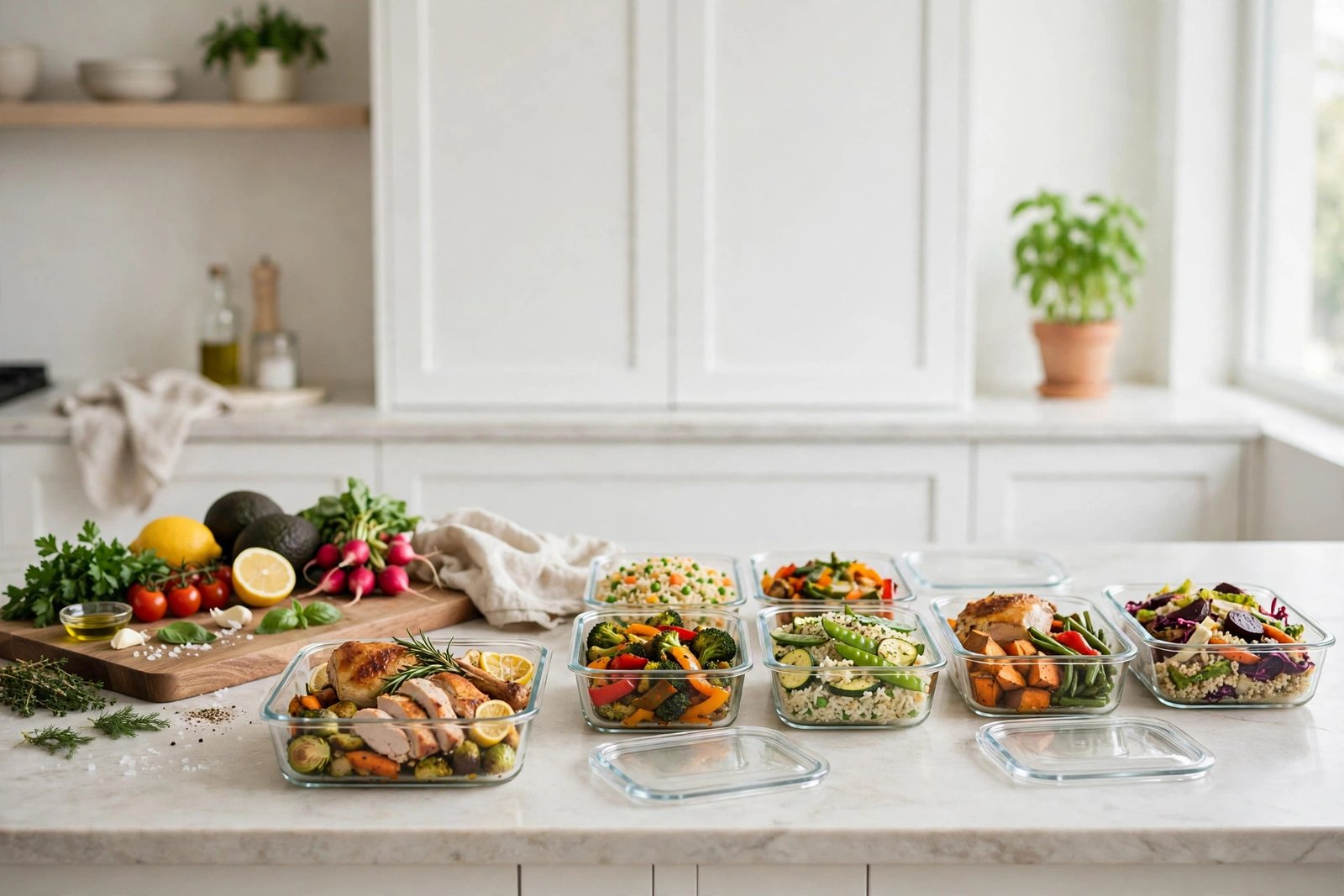

Meal prepping promises calmer weeknights, lower grocery bills, and fewer impulse takeout orders. Yet plenty of people try it once, end up staring at four identical tubs of soggy rice on Thursday, and quietly give up. The problem is rarely motivation. It is usually a handful of small, fixable habits that turn good food into a chore. If you want to learn the mistakes to avoid when meal prepping — and what to do instead — this guide walks through the nine most common ones, with a practical fix for each. None of them require fancy equipment or a full Sunday sacrificed to the kitchen.
Think of meal prep as a system, not a single heroic cooking session. The best preppers cook less than you think, store food properly, and build in enough variety that Wednesday’s lunch still sounds appealing. Get those basics right and the whole routine starts to pay for itself.
Mistake 1: Prepping a Full Week of Food at Once
It sounds efficient: cook seven days of meals in one afternoon and be done with it. In practice, most home fridges cannot hold that much food safely, and most cooked meals do not stay good for seven days anyway. By day five, chicken that tasted fine on Monday is a gamble, and enthusiasm has evaporated along with the leftovers.
The fix: Prep for three to four days at a time, twice a week. A Sunday session covers Monday through Wednesday; a quick Wednesday-evening top-up covers Thursday and Friday. Each session is shorter, the food stays fresh, and you never face a fridge full of food you no longer want. If twice a week feels like too much, prep just the components — cooked grains, roasted vegetables, a protein — rather than finished meals, and assemble as you go.
Mistake 2: Starting With Complicated New Recipes
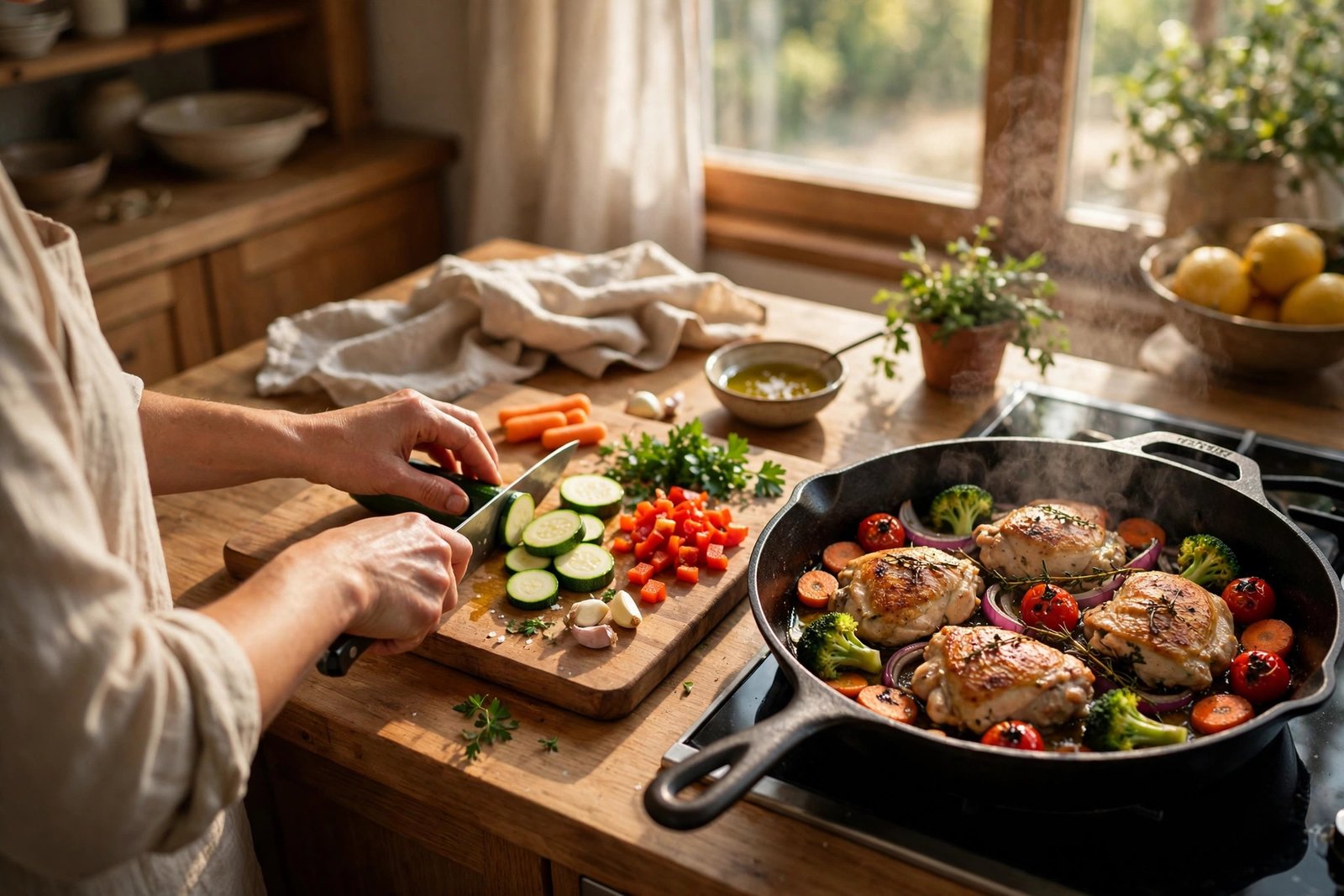
Your first prep session is not the moment to attempt a six-component Thai curry you have never cooked before. New recipes take longer, need ingredients you may not have, and can fail in ways that leave you with nothing to eat all week. One bad first experience is often enough to kill the habit entirely.
The fix: Build your prep around two or three meals you already cook well and genuinely enjoy. A sheet-pan chicken and vegetables, a lentil soup, a pasta bake — foods you could almost make with your eyes closed. Once the routine feels easy, add one new recipe at a time. The goal of prep is reliability, not culinary adventure, and there are plenty of healthy meal prep ideas for beginners that keep things simple while you find your rhythm.
Mistake 3: Eating the Exact Same Meal Every Day
Five identical containers of chicken, rice, and broccoli is not a meal plan; it is a punishment. Monotony is the single biggest reason people abandon meal prep. Even the tastiest dish becomes unappealing by the fourth identical serving, and that is exactly when the takeout apps come out.
The fix: Cook versatile components instead of finished meals. One batch of shredded chicken becomes tacos on Monday, a grain bowl on Tuesday, and a soup on Wednesday — same protein, three different meals. Swap sauces and toppings to change the whole character of a dish: salsa verde one day, peanut sauce the next. A little variety in flavour costs almost no extra cooking time. If you are just getting started, a good beginner’s guide to meal prepping can help you plan component-based weeks instead of identical boxes.
Mistake 4: Getting Food Safety Wrong
This is the mistake that matters most, because it can genuinely make you ill. Cooked food left sitting on the counter for hours, a fridge running too warm, or leftovers reheated half-heartedly are all common prep errors — and they are easy to fix once you know the rules.
The fix: Follow three simple numbers. First, cool cooked food and get it into the fridge within two hours of cooking; do not leave a pot cooling on the stove all evening. Second, eat refrigerated leftovers within three to four days — anything older goes in the freezer or the bin. Third, reheat leftovers until they are steaming hot throughout, reaching 165°F (74°C) for poultry and most reheated dishes. Use shallow containers so food cools faster, and never taste-test your way to a safety verdict: if you are unsure how long something has been in the fridge, throw it out.
For a quick reference, keep this fridge-life table on your fridge door:
| Food | Fridge life | Freezer life |
|---|---|---|
| Cooked chicken, turkey, and other poultry | 3–4 days | 2–6 months |
| Cooked beef, pork, and lamb | 3–4 days | 2–3 months |
| Cooked rice and pasta | 4–5 days | 1–2 months |
| Soups and stews | 3–4 days | 2–3 months |
| Roasted vegetables | 3–5 days | 10–12 months |
| Hard-boiled eggs (in shell) | Up to 7 days | Not recommended |
| Cut fresh fruit | 3–5 days | 8–12 months |
| Deli meats (opened) | 3–5 days | 1–2 months |
These are safe guidelines, not guarantees — your fridge should run at or below 40°F (4°C), and food that smells off should go regardless of the date.
Mistake 5: Saucing and Dressing Everything in Advance
Nothing ruins a prepped salad faster than dressing poured over it on Sunday. By Tuesday the greens are wilted, the grains are mushy, and the whole container looks defeated. The same goes for saucy pasta and grain bowls, which absorb liquid and turn stodgy in the fridge.
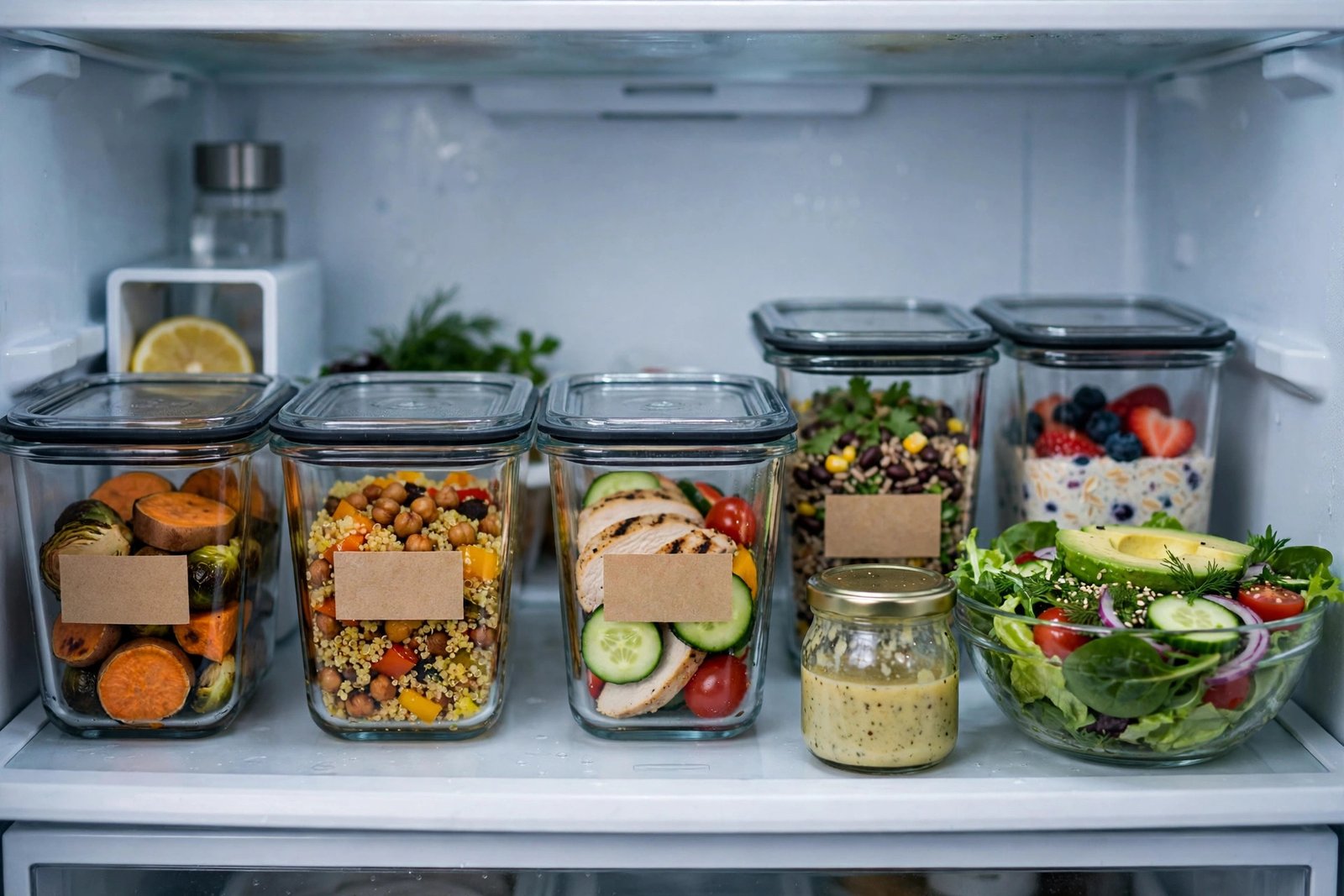
The fix: Store sauces and dressings separately in small jars or containers, and add them when you eat. This single change keeps salads crisp, grains fluffy, and flavours bright for days. The same principle applies to crunchy toppings: keep nuts, seeds, croutons, and crispy chickpeas in a separate bag so they stay crunchy. Think of your fridge containers as a construction kit, not a finished plate.
Mistake 6: Skipping Labels and Dates
Every prepper has opened a mystery container and played the sniff test. Without labels, you cannot tell Monday’s soup from last week’s curry, and perfectly good food gets thrown away out of caution — or worse, old food gets eaten out of optimism.
The fix: Label every container with the contents and the date it was cooked. Masking tape and a marker work perfectly; so do freezer tape and reusable labels. While you are at it, adopt a simple rule: new containers go behind old ones, so the oldest food always gets eaten first. It takes ten seconds per container and saves real money in wasted food. If you want to get serious about cutting waste, learning how to freeze fresh herbs is a great next step — herbs are one of the most commonly wasted ingredients in a prep kitchen.
Mistakes to Avoid When Meal Prepping: Forgetting the Freezer
Many people treat the freezer as a graveyard for food they forgot about, when it should be the backbone of a good prep system. Soups, stews, cooked grains, beans, and marinated raw proteins all freeze beautifully — and frozen meals are what save you on the weeks when cooking simply does not happen.
The fix: Every time you cook a soup, stew, or casserole, double the batch and freeze half in single portions. Within a month you will have a freezer bank of real meals ready to defrost on busy nights. Freeze in flat zip-top bags for soups (they stack neatly and thaw fast) and in portion-sized containers for grains and proteins. Label everything with contents and date, and use frozen meals within two to three months for best quality.
Mistake 8: Using the Wrong Containers
Leaky lids, stained plastic, mismatched sizes, and containers that warp in the microwave all make prep harder than it needs to be. Worse, a bad seal lets air in, drying food out and shortening its safe life. If opening your container cupboard feels like a chore, your containers are working against you.
The fix: Standardise on one system: glass containers with locking lids for most meals (they do not stain, they reheat evenly, and you can see what is inside), plus a few small leak-proof jars for sauces and dressings. Pick two or three sizes that stack neatly, and get rid of the orphan lids and warped tubs. Good containers are a one-time purchase that pays off every single week.
Mistake 9: Ignoring Snacks and Portions
People prep lunches and dinners meticulously, then find themselves raiding the pantry at 4 p.m. because nothing snack-sized is ready. Unplanned snacking is where many healthy weeks quietly fall apart — not because snacks are bad, but because hunger plus no plan equals whatever is nearest.
The fix: Prep snacks with the same care as meals. Portion out hummus with cut vegetables, yoghurt with berries, trail mix, boiled eggs, or cheese and crackers into grab-and-go servings. This also solves the portion problem: when food is pre-portioned, you eat a sensible amount without thinking about it. Paying attention to portions is one of the simplest ways to make meal prep work for your goals, and it pairs naturally with learning how to read nutrition labels so you know exactly what is in each portion.

Putting It All Together: A Simple Weekly Rhythm
Here is what a realistic prep week looks like once these fixes are in place. On Sunday, cook two proteins, one grain, and a tray of roasted vegetables — about 90 minutes, including cleanup. Portion them into labelled containers for Monday through Wednesday, with sauces kept separate. On Wednesday evening, spend 30 minutes topping up for Thursday and Friday, and move one freezer meal to the fridge to thaw. Prep a few snacks while you are at it. That is it: two short sessions, fresh food all week, no identical-meal fatigue.
It also helps to think of meal prep as part of a broader healthy kitchen routine. Eating well at home supports everything from energy levels to digestion, and if gut health is on your mind, our guide on how to improve gut health naturally covers the food choices that complement a solid prep habit. And for more planning ideas, the meal prepping and batch cooking tips for beginners from Elephant Box are a useful companion read.
A Quick Word on Planning Before You Cook
One more habit separates smooth prep weeks from chaotic ones: spending ten minutes planning before you touch a pan. Check what is already in your fridge and freezer, pick meals that share ingredients, and write a short shopping list around them. This prevents the classic problem of buying a full bag of an ingredient for a single recipe and watching the rest go bad. It also stops the mid-week realisation that you prepped five lunches but forgot breakfast entirely. Planning is not glamorous, but it is the difference between a fridge full of food and a fridge full of meals.
If you are new to all of this, do not try to fix everything at once. Pick the two mistakes from this list that sound most familiar — for most people, that is the full-week prep and the identical meals — and fix those first. Once those two are handled, the other fixes slot in naturally, and you will have avoided the biggest mistakes to avoid when meal prepping without feeling overwhelmed. Remember, the goal is a routine you can repeat for months, not a perfect week followed by burnout. Small, steady improvements beat a flawless Sunday every time, and each week your system gets a little sharper.
Frequently Asked Questions
How long does meal-prepped food last in the fridge?
Most cooked meals last three to four days in a fridge at or below 40°F (4°C). Cooked rice and pasta stretch to four to five days, while soups and stews hold for three to four days. Anything older should be frozen or discarded — when in doubt, throw it out.
Is it safe to reheat meal-prepped food more than once?
It is best to reheat leftovers only once, heating them until steaming hot throughout (165°F / 74°C for poultry). Repeated cooling and reheating gives bacteria more chances to grow, so portion food before storing and only reheat what you plan to eat.
What are the biggest mistakes to avoid when meal prepping?
The most common ones are prepping a full week at once, cooking complicated new recipes, eating identical meals daily, ignoring food-safety basics, dressing salads in advance, skipping labels, neglecting the freezer, using poor containers, and forgetting snacks and portions. Fixing even half of these transforms the experience.
Do I need special containers for meal prep?
No, but good containers help enormously. Glass containers with locking lids are ideal because they do not stain, reheat evenly, and let you see contents at a glance. Add small jars for sauces and dressings, and keep two or three stackable sizes.
Can you meal prep salads for the whole week?
Yes, if you layer them correctly and keep dressing separate. Sturdy greens, grains, and proteins at the bottom, delicate leaves on top, dressing in a separate jar — assembled this way, a salad stays crisp for four to five days.
How much time does meal prepping actually save?
Most people spend 90 minutes on a main prep session plus a 30-minute top-up, versus 30–45 minutes cooking from scratch every night. Over a week that typically saves several hours, plus the time and money otherwise spent deciding what to eat or ordering takeout.
Conclusion
Meal prep fails when it is treated as an endurance event instead of a routine. Prep for three or four days, not seven. Cook food you already know you like. Build variety from a few flexible components. Respect the food-safety basics — cool within two hours, eat within three to four days, reheat properly. Keep sauces separate, label everything, use the freezer as your backup, and stock decent containers. Add pre-portioned snacks and you have covered all nine fixes.
Start small this week: pick one protein, one grain, and one vegetable, and prep just three days of meals. Once that feels easy, the rest of the system builds itself — and you will wonder why weeknight cooking ever felt so stressful.



