
How to Get Rid of Silverfish in Your Home for Good
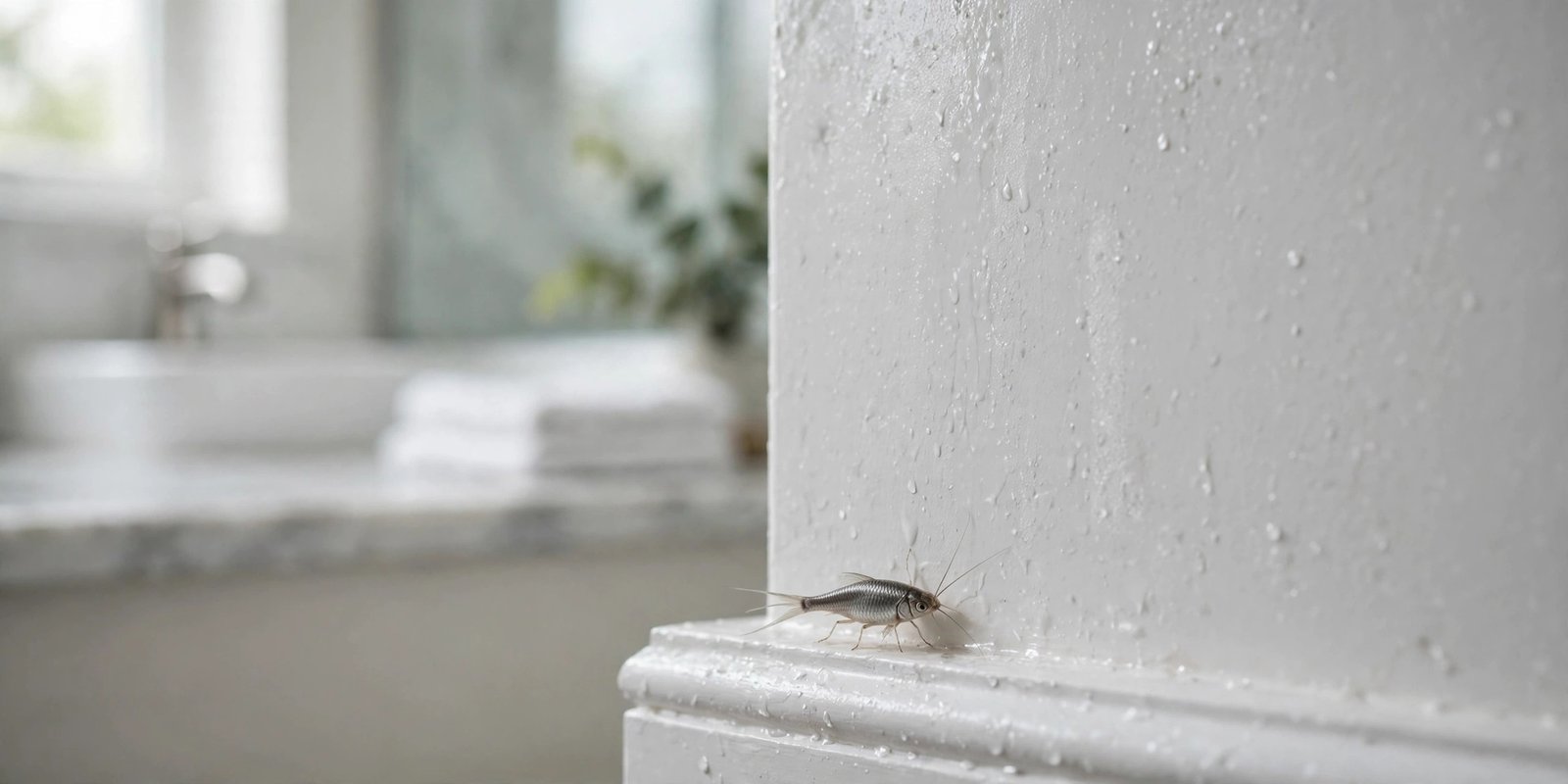
You flick on the bathroom light at midnight and something silvery darts across the floor, quick as a fish and gone before you can look twice. That is a silverfish, and if you have seen one, there are almost certainly more. Learning how to get rid of silverfish starts with understanding what they want: they move in where a home stays damp, quiet, and full of starch. The good news is that they do not bite or spread disease, and a steady plan of drying, cleaning, trapping, and sealing can clear them out.
Silverfish are built to survive: they can live for years, go months without a meal, and squeeze through tiny cracks. That is why the usual quick fixes — a single spray, a fogger, a scented sachet — rarely finish the job. What works is removing the three things that keep them alive: moisture, food, and hiding places.
What Silverfish Look Like — and What They Are Not
Before you treat anything, make sure you are dealing with silverfish. The common silverfish is a small, wingless insect about half an inch long, with a carrot-shaped body covered in fine silvery or pearl-gray scales. It has two long antennae at the front, three bristle-like tails at the rear, and a fast, wriggling run. The NC State Extension guide to silverfish and firebrats notes that the flattened body lets them hide in very small cracks and crevices.
Silverfish are often confused with their close cousin, the firebrat. Firebrats are mottled gray or brown rather than silver, and they love heat, gathering around furnaces, ovens, and water heaters at temperatures of 90 degrees Fahrenheit and above. Silverfish prefer the opposite: cool, damp rooms such as bathrooms, basements, and laundry rooms. The Maine Cooperative Extension fact sheet on silverfish and firebrats notes that both hide by day and feed at night, which is why most sightings happen when a light comes on unexpectedly.

Why Silverfish Choose Your House
Silverfish need three things, and a typical home offers all of them without trying. The first is moisture. They lose water through their bodies quickly, so they settle where the air stays damp: bathrooms with weak extractor fans, basements, and laundry rooms. At higher temperatures they need relative humidity above 75 percent to thrive, according to the University of California IPM guide to silverfish and firebrats. A slow leak under a sink can hold a room at the humidity they need all year round.
The second is food, and the silverfish menu is wider than most people expect. They feed on materials rich in starch, sugar, and protein: the glue in book bindings, the paste behind wallpaper, the sizing in paper, starched clothing, cereals, flour, pasta, and dry pet food. They graze wallpaper until the pattern looks scraped, chew notched edges into book pages, and can survive for several months without any food at all.
The third is shelter. Silverfish spend their days in cracks and crevices: behind baseboards, under sinks, inside wall voids, and between stacked boxes. They are often carried into a home tucked inside books, cardboard boxes, or furniture. A female may lay more than 100 eggs in her lifetime, and adults can live two to eight years, according to NC State Extension. That is why the plan below starts with the house, not the insect.
How to Get Rid of Silverfish: A Step-by-Step Plan
Work through these steps in order. Each one removes part of what the insects need, and together they make your home an impossible place for a silverfish to live. Expect a few weeks before sightings stop: you are breaking a life cycle, not winning a single battle.
Step 1: Dry the rooms where you see them
Moisture is the single most important factor, so start there. Fix any leaks first: a dripping tap, a weeping pipe joint, a toilet that runs, or a roof drip that finds its way into a wall. Even a small leak matters, because a silverfish colony needs very little water. If you have dealt with a leak before, the steps for how to fix a leaky faucet are a useful refresher, but do not stop at the tap. Check under sinks and behind the washing machine for damp patches.
Next, get the air moving. Run the bathroom extractor fan during showers and for at least 20 minutes afterwards, and check that it vents outside rather than into the loft. Consider a dehumidifier in a damp basement or laundry room: silverfish struggle when indoor humidity drops below about 50 percent. A cheap hygrometer tells you whether the room is actually drying out. Do not forget hidden damp spots either: condensation on cold water pipes is a silverfish watering hole, and insulating the pipes stops it forming.
Step 2: Take away their food and hiding places
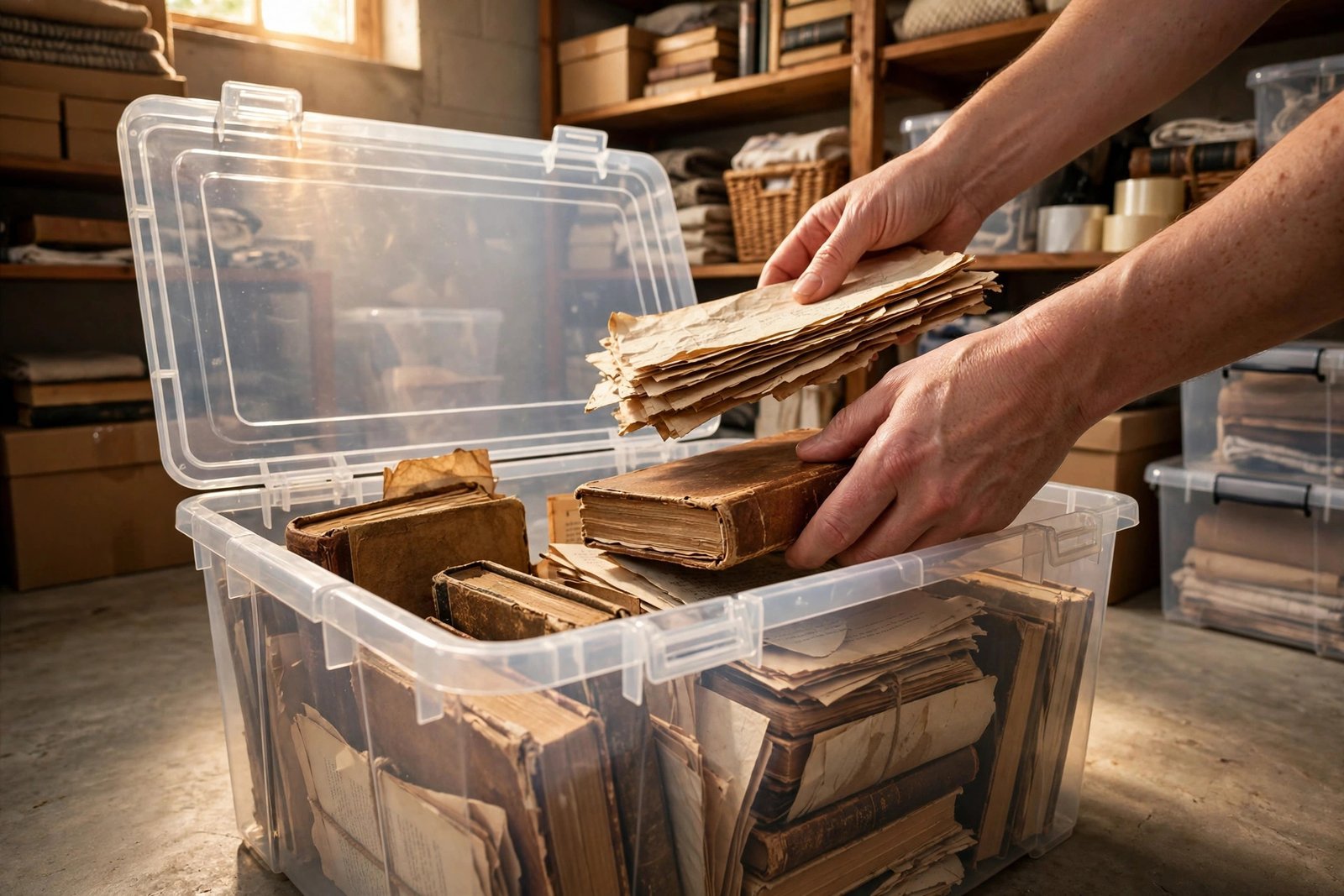
When you are learning how to get rid of silverfish, the pantry and the storage boxes matter as much as the bathroom. Cardboard boxes are the biggest offender: silverfish eat the glue and starch in cardboard, and the boxes themselves make perfect dark shelter. Move anything you want to keep into airtight plastic bins with tight-fitting lids, and recycle the cardboard. For books you are keeping, stand them upright with a little air between them, and move the bookcase a few inches from the wall.
Transfer cereals, flour, pasta, rice, and dry pet food into sealed glass or hard plastic containers, and check packets for small chew holes before you put them back. Sweep up spilled flour promptly, and do not leave pet food in an open bowl overnight. Vacuum thoroughly along baseboards, under appliances, and inside closets: it physically removes silverfish, their eggs, and the dust they feed on. Empty the vacuum outside straight afterwards.
Step 3: Set traps to find the hot spots
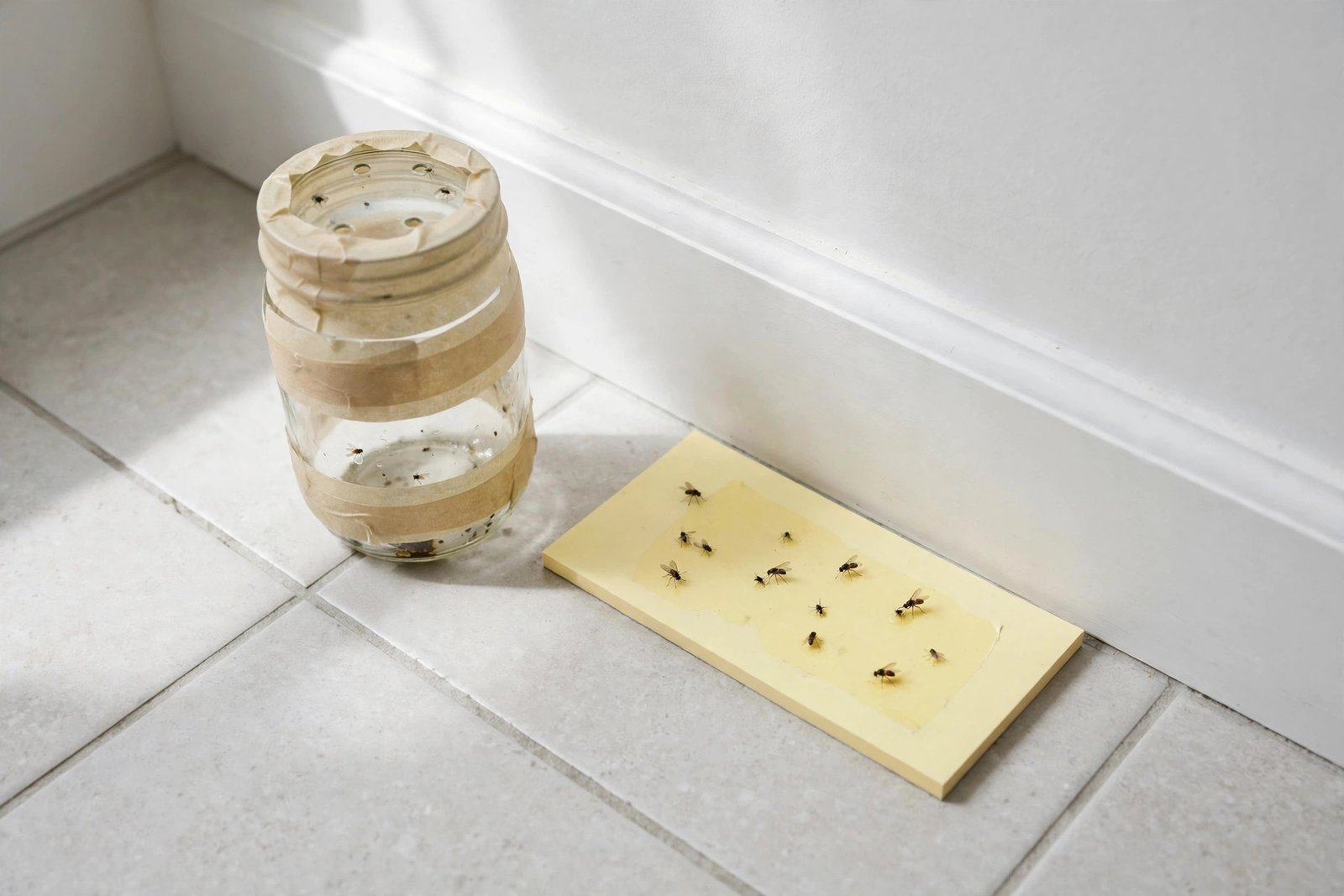
Sticky traps are the best first move, because they do two jobs at once: they catch silverfish, and they show you where the insects are concentrated. Place flat sticky traps — the kind sold for cockroaches work well — along baseboards, in bathroom corners, behind the toilet, and under the sink. Check them every few days. A trap that fills up is pointing at a nest or a moisture source nearby.
A homemade jar trap works the same way and costs nothing. Wrap the outside of a glass jar with masking tape, put a small piece of bread inside, and set it in a corner. Silverfish climb up the rough tape, drop inside for the food, and cannot climb back up the smooth glass. Empty the jar into soapy water each morning. These traps will not clear an infestation on their own, but they catch a steady trickle while you fix the bigger problems. Keep trapping for at least a month after your last sighting, because eggs take three to six weeks to hatch.
Step 4: Use natural treatments in the cracks
For many homes, drying and cleaning plus trapping is enough. When it is not, natural treatments aimed at the places silverfish actually live can finish the job. Diatomaceous earth is the most useful: a fine powder made from fossilized algae, its microscopic sharp edges damage the waxy coating on an insect’s body so it dries out and dies. Dust a thin layer of the food-grade powder into cracks and crevices, behind baseboards, and under appliances with a bulb duster or squeeze bottle. Keep it thin and dry, because wet diatomaceous earth stops working until it dries again. The University of Florida Extension guide to booklice and silverfish lists it as a recognized option, alongside boric acid baits.
Boric acid is the other classic treatment, and it works as a stomach poison when silverfish groom it off their bodies. Boric acid baits and dusts are sold specifically for silverfish and are used even in museums to protect books and papers. Apply a very light dusting into cracks and voids, never in thick piles and never where food is prepared or pets can reach it, and always follow the label. As for home remedies such as cedar oil, lavender, and cinnamon — these scents may discourage silverfish from a small area, but none of them will clear an established infestation. Treat them as a finishing touch for closets, not as the main treatment.
Step 5: Seal the cracks they live in
Once the rooms are dry and clean, seal the hiding places. Run a bead of caulk along baseboards, around window frames, and where pipes pass through walls. Fill gaps around plumbing with expanding foam, and replace worn door sweeps and window seals. Pay attention to the small gaps: silverfish are flat enough to slip through a crack you would need a flashlight to notice. Sealing works best after the other steps, not before them. If you seal a damp wall void without drying it first, you have simply locked the problem inside the wall.
When Sprays and Baits Make Sense
Light infestations rarely need insecticide, and both university extension guides say so plainly. If you are seeing one or two silverfish a week and the numbers are falling as you dry and clean, stay the course. Insecticides earn their place when the infestation is large, when valuable books or papers are being damaged, or when a month of nonchemical steps has not reduced the numbers.
If you do use a spray, choose one labeled for silverfish and apply it as a crack-and-crevice treatment, not as a broadcast spray across the room. Household sprays containing pyrethroids such as bifenthrin or cyfluthrin kill silverfish on contact and leave some residual effect, according to UC IPM. Direct small amounts into cracks, along baseboards, and around pipe entries, and never spray near food, pet bowls, or pilot lights. Avoid foggers and bug bombs: the mist does not penetrate under insulation, inside boxes, or into wall voids, which is exactly where the insects live. And do not expect instant results. A properly applied treatment takes a few weeks to work, because it has to catch the insects as they feed and the nymphs as they hatch.
Prevention: Keeping Silverfish Out for Good
Once you know how to get rid of silverfish, prevention is mostly a matter of habits. Keep indoor humidity in check year-round, not just while you are fighting an active problem. Run the dehumidifier in the basement through the damp months, keep the bathroom fan in working order, and fix leaks the week they appear. A guide on how to winterize your home covers the same sealing and ventilation checks that keep winter dampness out of walls and attics.
Storage habits matter just as much. Keep books, papers, photographs, and fabrics in airtight plastic bins or sealed bags rather than cardboard boxes, especially in basements and garages. Move stored items around occasionally so nothing sits undisturbed for years in a damp corner. And watch what comes into the house: secondhand books, old furniture, and boxes from a storage unit are the classic way silverfish arrive, so inspect them in the garage before bringing them in.
When to Call a Pest Control Professional
Most silverfish problems are a do-it-yourself job, but there are clear signs it is time to call a professional. If you are seeing silverfish daily in several rooms, if books or clothing are being damaged faster than you can protect them, or if you have followed the steps above for a month with no real improvement, the infestation is probably larger or better hidden than it looks. Professionals can treat wall voids properly and find a moisture source hidden behind a wall or under a floor.
A professional is also the right call when the insects are damaging something valuable — a book collection, an archive, historic wallpaper — or when the damp source may be structural and the landlord’s responsibility. When you call, ask what the treatment involves, whether it includes a moisture inspection, and what follow-up visits are included. A good company will talk about drying and sealing as well as spraying. If the same company handles the ants in your kitchen, the guide on how to get rid of ants in the kitchen naturally covers many of the same sealing and cleaning habits. One more thing worth knowing: silverfish are not a sign of a dirty home. They are a sign of a damp one.
Frequently Asked Questions
Are silverfish dangerous to humans or pets?
No. Silverfish do not bite, sting, or spread disease, and they are not venomous. They are a nuisance and a property pest, not a health pest. The real risk is damage to books, paper, wallpaper, clothing, and stored food.
How long does it take to get rid of silverfish?
Most homes see a clear drop in sightings within two to four weeks of drying out damp rooms, removing clutter, and setting traps. Full clearance can take six to eight weeks because eggs already laid need time to hatch and be caught. If you are still seeing them daily after two months, look for a moisture source you have missed or call a professional.
Does diatomaceous earth kill silverfish?
Yes, when applied correctly. Food-grade diatomaceous earth damages the insect’s protective coating so it dehydrates and dies. It must be kept dry and applied as a thin dust inside cracks and voids where silverfish travel. It does not work when wet, and a thick pile is less effective than a fine layer.
Can silverfish live in a clean house?
Yes. Silverfish are attracted by dampness and starch, not by dirt. A clean house with a leaking pipe, a poorly vented bathroom, or a damp basement can support silverfish for years. Cleaning helps by removing their food, but it is the moisture that matters most.
Do silverfish go away in winter?
Not on their own. Silverfish live indoors, where temperatures stay mild all year, so cold weather outside does not kill them. They may be less active in a dry, heated house in winter, which is a good time to seal cracks and fix ventilation. For a similar seasonal pest problem, see our guide on how to get rid of fruit flies naturally.
Conclusion
Knowing how to get rid of silverfish for good comes down to a simple idea: take away what they need and they cannot stay. Dry out the damp rooms, fix the leaks, and keep humidity below the level they can tolerate. Clear out the cardboard and the open pantry packets, store what matters in airtight containers, set sticky traps, and seal the cracks once the rooms are dry.
It will not happen overnight. Silverfish live for years and their eggs take weeks to hatch, so expect a month or two of steady work before the last one disappears. But the work is straightforward, most of it costs very little, and once the house is dry and sealed, the problem tends to stay solved.



