
How to Make Cranberry Sauce From Scratch: The 15-Minute Recipe (Plus 5 Variations)

There is a moment at almost every Thanksgiving table when someone tastes the cranberry sauce and realizes it is homemade — bright, tart, and nothing like the jellied cylinder that slides out of a can. If you have never tried it, learning how to make cranberry sauce from scratch is one of the easiest upgrades you can make to a holiday meal. It takes three ingredients, one saucepan, and about fifteen minutes. There is no special equipment, no candy thermometer, and almost nothing that can go wrong.
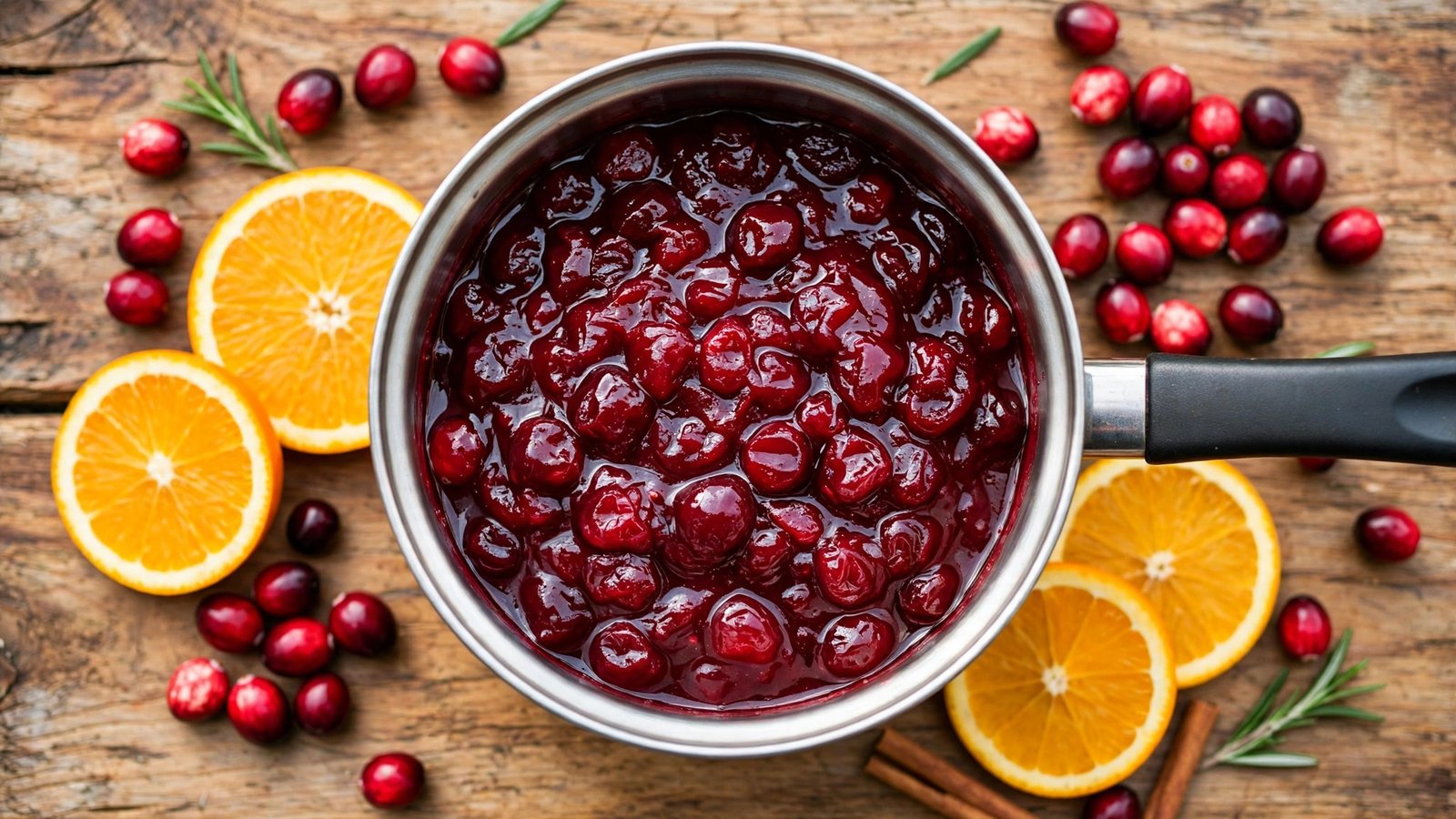
The classic recipe is almost embarrassingly simple: fresh cranberries, sugar, and water, simmered together until the berries burst and the sauce thickens. Cranberries release natural pectin as they cook, so the sauce sets on its own — no gelatin, no cornstarch, no thickener of any kind. What comes out of the pan is glossy, ruby-red, and tart enough to cut through rich turkey and gravy. This guide gives you the exact recipe, the step-by-step method, five variations from orange to low-sugar, the mistakes to avoid, and the make-ahead timing that makes Thanksgiving day easier.
How to Make Cranberry Sauce From Scratch: The Classic 3-Ingredient Recipe
The classic ratio is 12 ounces of cranberries, 1 cup of sugar, and 1 cup of water. That is the whole recipe. A standard bag of fresh cranberries is 12 ounces, so one bag, one cup of sugar, and one cup of water makes about two and a quarter cups of sauce — enough for eight to ten people at a holiday table. If you prefer a sauce with a citrus note, swap the water for 1 cup of orange juice and reduce the sugar to half a cup, since the juice adds its own sweetness.
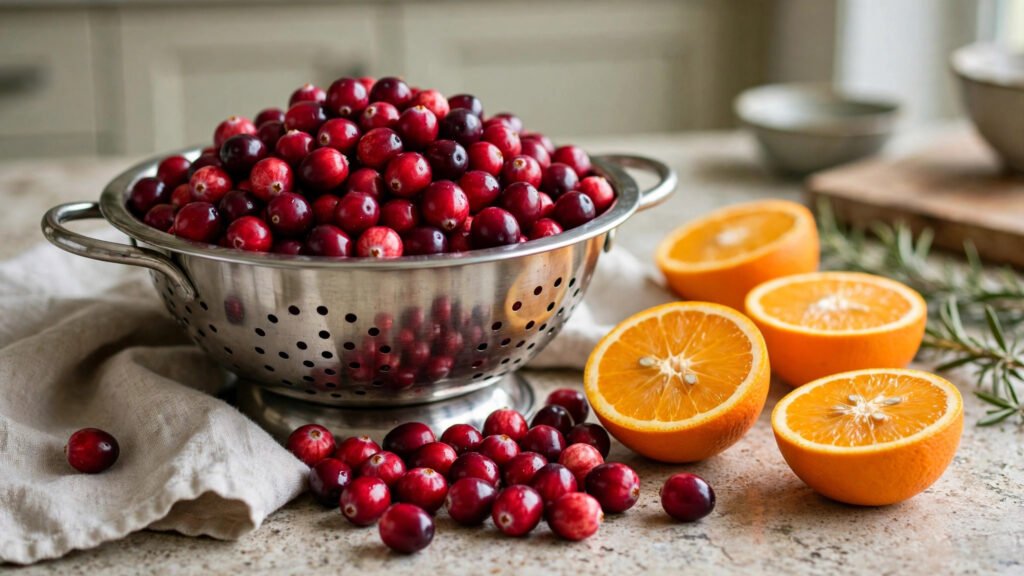
Start by picking through the cranberries and discarding any that are soft, shrivelled, or discoloured. Rinse them in a colander and set them aside. Combine the sugar and water (or orange juice) in a medium saucepan and stir over medium heat until the sugar dissolves completely — about two minutes. You want a clear syrup, not a grainy one, before the berries go in. Adding the berries to undissolved sugar is the most common small mistake in this recipe, and it is the reason some homemade sauces end up gritty.
Step by Step: From Berries to Sauce in 15 Minutes
The step-by-step method for how to make cranberry sauce from scratch is forgiving. Once the syrup is clear, add the cranberries and bring the mixture to a gentle boil. Then reduce the heat to a simmer and let it cook for 10 to 15 minutes, stirring occasionally. You will hear the berries start to pop — a soft, satisfying sound — usually after about five minutes. Most of the berries will burst on their own; a few stubborn ones can be pressed gently against the side of the pan with a spoon.
Do not overcook the sauce. Ten to fifteen minutes is enough. The sauce will look thin and runny while it is hot, and that is exactly right — it thickens considerably as it cools, thanks to the natural pectin. If you keep cooking until it looks thick in the pan, it will set into a stiff, gummy mass in the fridge. Take it off the heat while it still looks a little loose, and trust the cooling process.
Let the sauce cool in the pan for about ten minutes, then transfer it to a bowl or a glass jar. It will continue to thicken as it reaches room temperature, and it will be fully set after a few hours in the fridge. Taste it once it has cooled: if it is too tart for your table, stir in a spoonful of sugar or a drizzle of honey while it is still slightly warm. If it is too sweet, a squeeze of lemon juice brightens it. Serve it chilled or at room temperature — never hot, or it will run all over the plate.
5 Variations to Try (Plus the Classic)

Once you know how to make cranberry sauce from scratch, the variations are easy. The base method never changes — sugar, liquid, berries, simmer — only the flavourings change. The table below shows the five most popular variations, what changes, and when each one shines.
| Variation | What changes | Cook time | Best for |
|---|---|---|---|
| Classic | 1 cup sugar + 1 cup water | 10–15 min | The traditional table |
| Orange | 1 cup orange juice + 1/2 cup sugar, plus orange zest | 10–15 min | Bright, citrusy flavour |
| Spiced cinnamon | Add 1 cinnamon stick + 2 whole cloves, remove before serving | 10–15 min | Warm holiday spice |
| Low-sugar | 1/2 cup sugar + 1/2 cup apple juice, or sugar substitute | 10–15 min | Lighter, tarter sauce |
| Jellied | Strain through a fine sieve, chill in a mould | 10–15 min + chill | Smooth, sliceable sauce |
The orange variation is the most popular alternative, and it is barely a variation at all: swap the water for orange juice, halve the sugar, and add the zest of one orange at the end. For the spiced version, add a cinnamon stick and two whole cloves with the berries, then fish them out before serving — leaving them in will make the sauce bitter. The low-sugar version is tarter by design, and it works well for people who find the classic too sweet; a sugar substitute can replace the sugar entirely, though the sauce will be slightly thinner. The jellied version is for anyone who loves the canned style but wants real ingredients: press the hot sauce through a fine sieve to remove the skins, pour it into a mould or a small bowl, and chill until set.
A note on the orange variation: the zest goes in after the sauce comes off the heat, not during cooking. Zest cooked for fifteen minutes turns bitter; zest stirred into warm sauce keeps its bright, fresh flavour. The same rule applies to any fresh herb you might add, such as a sprig of rosemary — add it at the end, let it steep for ten minutes, then remove it.
5 Mistakes That Ruin Cranberry Sauce (and How to Avoid Them)
The most common mistakes in how to make cranberry sauce from scratch are small and avoidable. The first is overcooking: cranberry sauce that simmers for twenty-five or thirty minutes turns gummy and loses its bright flavour. Set a timer for ten minutes, check the berries, and take the pan off the heat as soon as most of them have popped. Remember: the sauce thickens as it cools, so judge it cold, not hot.
The second mistake is adding the sugar late. Sugar needs time to dissolve fully in the liquid before the berries go in. If you add sugar after the berries have already burst, it will not dissolve properly and the sauce will be gritty. Dissolve the sugar first, every time. The third mistake is serving it too soon. Fresh from the pan, cranberry sauce is thin, hot, and aggressively tart. It needs at least a few hours in the fridge — and the flavour genuinely improves after 24 to 48 hours, which is why this is such a good make-ahead dish.
The fourth mistake is using too little liquid. Cranberries need a full cup of liquid to simmer properly; with less, they scorch on the bottom of the pan before they pop. The fifth is forgetting to taste and adjust. Every bag of cranberries is slightly different — some are tarter than others — so taste the cooled sauce and adjust with a little more sugar or a squeeze of lemon. A sauce that tastes perfect in the pan may taste different once it is cold, so always taste it cold.
Make-Ahead and Thanksgiving Timing
Cranberry sauce is one of the best make-ahead dishes on the Thanksgiving menu, because it actually gets better with time — and that is one of the best reasons to learn how to make cranberry sauce from scratch. Make it two or three days before the holiday, store it in a covered container in the fridge, and take it out an hour before dinner so it comes to room temperature. The flavour improves after 24 to 48 hours in the fridge as the tartness mellows and the flavours settle.
Storage is simple. Refrigerated cranberry sauce keeps for up to two weeks in a sealed container, so a batch made the weekend before Thanksgiving is still perfect on the day. It also freezes well: spoon it into a freezer-safe container or bag, leaving a little room for expansion, and it will keep for up to one month. Thaw it overnight in the fridge and stir before serving. If you are planning the whole meal, our guides on how to thaw a turkey safely and how to cook a turkey in an air fryer will help you time the main event around the sauce.
One food-safety rule matters here, and it applies to the whole meal, not just the sauce. The U.S. Department of Agriculture’s rule for leftovers is to refrigerate them within two hours of serving — do not leave the sauce, the turkey, or any other dish sitting on the table all afternoon. The USDA’s leftovers guidance and FoodSafety.gov both repeat the same two-hour rule, and it is the single most important food-safety habit at a holiday table. Pack leftovers into shallow containers so they cool quickly, label them with the date, and use them within a few days.
Fresh vs Frozen Cranberries — and What to Serve It With
Fresh and frozen cranberries both work in this recipe, and there is no need to thaw frozen berries first — just add them straight to the pan and give them an extra minute or two of cooking time. Frozen berries are often cheaper and available year-round, which makes this a recipe you can cook in July as easily as November. The one thing to avoid is dried cranberries, which will not pop or release pectin the way fresh or frozen berries do.
Beyond the Thanksgiving turkey, cranberry sauce earns its place at the table all year. It is excellent on a turkey sandwich the next day, spooned over brie or goat cheese as a quick appetizer, stirred into yoghurt or oatmeal at breakfast, or served alongside roast pork and chicken. A spoonful on a cheese board, next to sharp cheddar, is one of the easiest entertaining moves there is. And if you have a jar left over, try it as a glaze: thin it with a little orange juice and brush it over a ham or a roast in the last fifteen minutes of cooking.
For a sweet finish to the meal, a warm drink pairs beautifully with the tart sauce — our guide on how to make hot chocolate from scratch is a good place to start. The Kitchn’s cranberry sauce recipe is another reliable reference if you want a second opinion on the method, and it follows the same classic ratio used here.
Frequently Asked Questions
How long does homemade cranberry sauce last?
Refrigerated in a sealed container, it keeps for up to two weeks. It also freezes well for up to one month — thaw it overnight in the fridge and stir before serving. The flavour improves after 24 to 48 hours in the fridge, so making it a few days ahead is ideal.
Do I need to thaw frozen cranberries first?
No. Frozen cranberries go straight into the pan from the freezer. Give them an extra minute or two of simmering time, since they lower the temperature of the liquid when they go in. Fresh and frozen berries give the same result.
Why is my cranberry sauce runny?
It probably is not — the sauce thickens as it cools, thanks to the natural pectin in the berries. Judge it after a few hours in the fridge, not straight from the pan. If it is still runny after chilling, you may have used too much liquid or undercooked it; simmering it for a few more minutes and re-chilling usually fixes it.
Can I make cranberry sauce without sugar?
Yes. Use half a cup of apple juice and half a cup of sugar for a lighter version, or a sugar substitute for a sugar-free sauce. The result will be tarter and slightly thinner than the classic, but the method is the same. Taste and adjust once it has cooled.
Do I need gelatin or cornstarch to thicken it?
No. Cranberries release natural pectin as they cook, which is what makes the sauce set on its own. Gelatin and cornstarch are unnecessary, and cornstarch in particular can make the sauce cloudy. If your sauce is too thin, the cause is usually too much liquid or too little cooking time, not a missing thickener.
Can I make cranberry sauce the day before Thanksgiving?
Absolutely — and you should. Make it two or three days ahead, store it in the fridge, and take it out an hour before dinner so it reaches room temperature. The flavour improves after a day or two, and it is one less thing to cook on the busiest day of the year.
Conclusion
Knowing how to make cranberry sauce from scratch is a small skill with an outsized payoff: fifteen minutes, three ingredients, and a sauce that tastes like it came from a restaurant kitchen. Make the classic recipe once, and you will never go back to the can. Try the orange variation next time, make it two days ahead, and let the sauce do what it does best — cut through the richness of the meal and make everything on the plate taste better. Your Thanksgiving table will be better for it.



