
The 5 Best Walking Pads of 2026: Reviews & Buying Guide
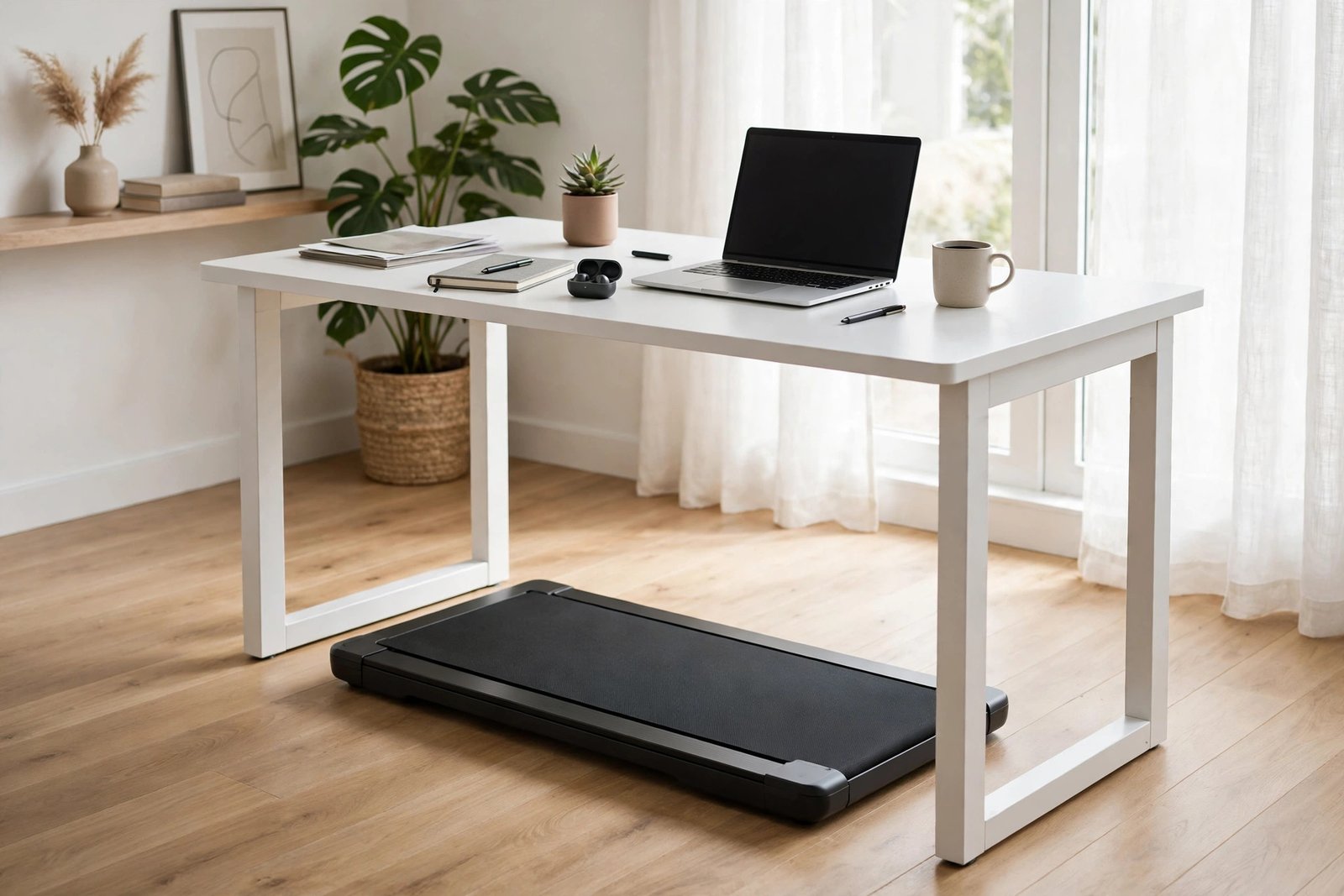
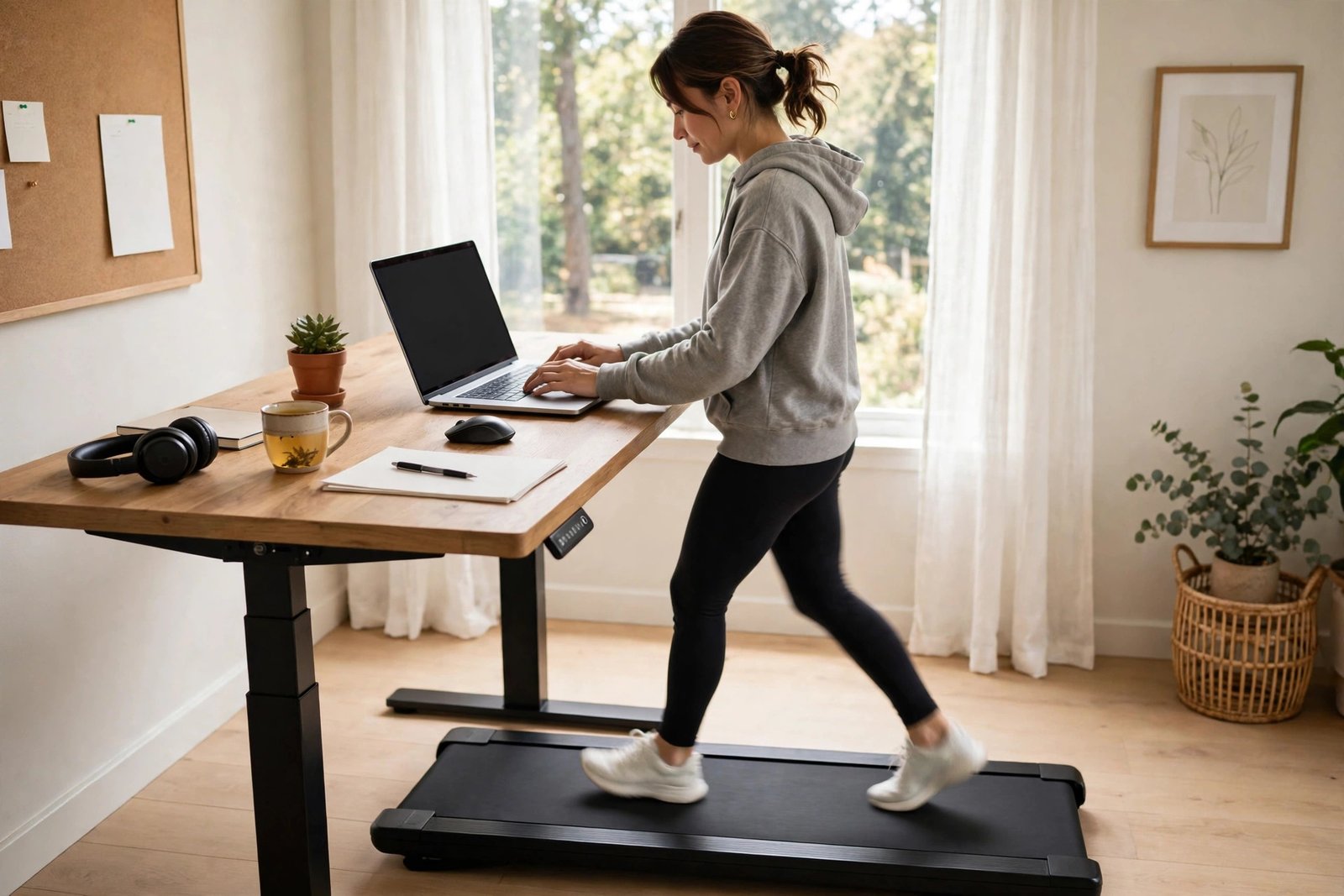
If you sit for eight or more hours a day, a walking pad might be the single easiest upgrade you can make to your routine. It is a slim, low-profile treadmill that slides under a standing desk, letting you rack up thousands of steps while you answer email, sit through meetings, or read reports. The hard part is choosing the best walking pad for your space, your body, and your budget — because the market is flooded with lookalike models that promise “whisper-quiet” motors and “heavy-duty” frames while hiding the specs that actually matter.
We cut through the noise by comparing the top-rated walking pads on price, speed range, weight capacity, noise levels, and storage footprint — using manufacturer spec sheets and independent review data current as of October 2026. Below are the five picks that earned a spot, a side-by-side comparison table, and a buyer’s guide so you know exactly what to check before you spend a dollar.
Why walk at your desk in the first place?
The case for treadmill desks is stronger than most people think. Research on treadmill-desk users has repeatedly found they add roughly two extra miles — around 4,000 to 4,500 steps — to their day without scheduling a single workout, according to roundups of the available studies. That is your Tuesday meetings, repurposed as light cardio. For desk workers dealing with bad posture from hours of hunching, gentle movement also breaks up the static positions that stiffen your neck and lower back.
Walking at 1.5 to 2 mph while working is not a replacement for real exercise, and it should not be treated as one. It is a way to chip away at the risks of prolonged sitting — modest calorie burn, better circulation, and a noticeable lift in afternoon energy. If you are returning to activity after a long sedentary stretch, start slow and treat the first week like getting back in shape: short sessions, easy pace, and attention to how your body responds.
How we chose the best walking pad for 2026
We narrowed the best walking pad contenders using five criteria, in order of importance for actual desk use:
- Slow-speed stability. You will live at 1.5 to 2.5 mph. The motor must hold a smooth belt at low speeds without stuttering.
- Noise level. If you take calls, anything above about 50 dB at desk height gets noticed. Manufacturer claims are quoted below, and we flag where they are unverified.
- Weight capacity with margin. A pad rated well above your body weight runs cooler and lasts longer.
- Storage footprint. Foldable or ultra-slim profiles that slide under a bed or couch matter in real apartments.
- Price honesty. Walking pad prices swing week to week on Amazon, so we list the most recent verified figures and tell you when to check the listing.
One gap in the market is worth noting: as of October 2026, the biggest editorial outlets — including Wirecutter and Rtings — have not published dedicated walking pad roundups, which is why independent spec-based guides like this one, expert under-desk treadmill tests, and focused quiet walking pads for video calls comparisons are currently the best references available.
The best walking pad for 2026: our top 5 picks
Before the details, here is how the best walking pad picks stack up on the numbers that matter most. All prices were last verified in October 2026 and can move, so treat them as ballparks.
| Pick | Price* | Speed range | Weight capacity | Noise (maker claim) |
|---|---|---|---|---|
| UREVO Strol 2E — best overall | ~$230–$280 | 0.6–6.2 mph | 265 lbs | <45 dB |
| UREVO SpaceWalk E1L — best budget | $169.99 | 0.6–4.0 mph | 265 lbs | Not published |
| WalkingPad C2 — best for small spaces | ~$299 | 0.5–3.7 mph | 220 lbs | Varies by source |
| GoPlus 2-in-1 — best walk-and-jog | ~$290 | 0.6–2.5 mph flat / up to 7.5 mph rail-up | 265 lbs | <45 dB |
| MERACH UltraWalk W60 Plus — best with incline | Check listing | 0.6–4.0 mph | 400 lbs | Not published |
1. UREVO Strol 2E — best overall for desk workers
The Strol 2E is the sweet spot: a 2.5 HP motor, a 265-pound capacity, a sub-45 dB noise claim from UREVO, and a speed range that covers gentle desk walking all the way up to a 6.2 mph light jog. For most remote workers, that combination makes it the best walking pad for daily use — quiet enough for calls, stable enough at 1.8 mph to type comfortably, and versatile enough for an actual workout after hours. Prices have recently been spotted between $230 and $280, which is strong value against pads that cost more and do less.
2. UREVO SpaceWalk E1L — best budget pick
At $169.99 on UREVO’s official product page, the SpaceWalk E1L is one of the cheapest ways to get a genuinely capable under-desk treadmill. You still get a 2.5 HP motor, a 0.6–4.0 mph range, and a 265-pound capacity, plus app connectivity. The trade-off: the 35.4-inch belt is on the short side, so taller walkers with long strides should measure their stride or look at the Strol 2E. For occasional desk walking on a budget, though, it is hard to beat.
3. WalkingPad C2 — best for small spaces
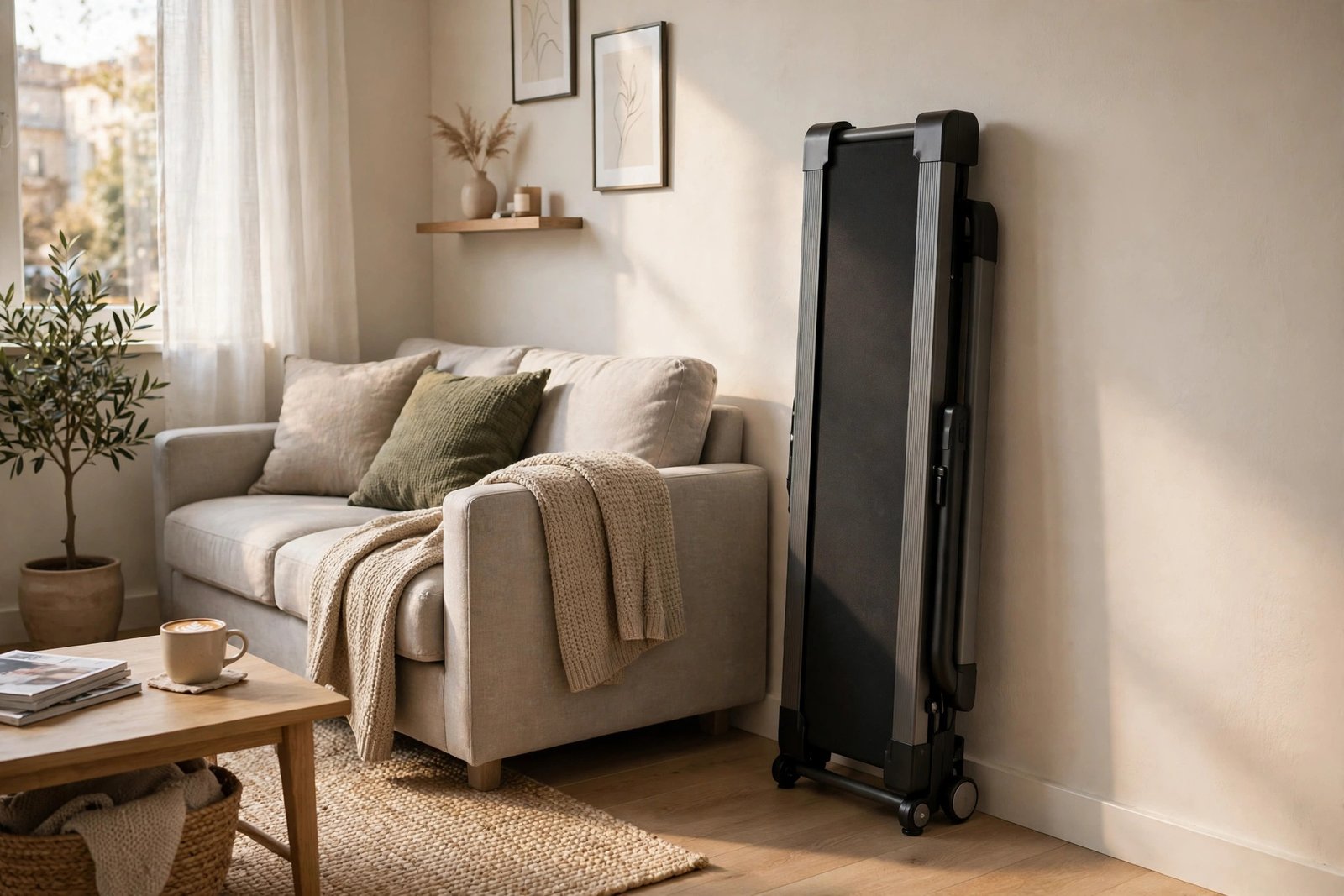
WalkingPad built this category, and the C2’s party trick is still unmatched: it folds in half to just 32.5 inches deep, small enough to lean behind a door or slide under a couch. Official specs list a 0.5–3.7 mph speed range and a 220-pound capacity, with speed control via remote, app, or foot-sense. It is the classic foldable walking pad — but that 220-pound rating is the lowest here, so heavier users should apply a safety buffer or pick a higher-rated model. Street price hovers around $299.
4. GoPlus 2-in-1 — best if you want to jog too
The GoPlus 2-in-1 is the only pick here that converts: handrails folded, it walks at 0.6–2.5 mph under your desk; handrails up, it becomes a 2.25 HP jogging treadmill topping out at 7.5 mph. BarBend’s 2-in-1 treadmill review priced it at $289.99, with a 265-pound capacity and a slim 5-inch storage profile. It is heavier than pure walking pads (around 70 lbs), so think of it as a compromise machine — slightly bulkier than a dedicated pad, but the only one here that covers real running.
5. MERACH UltraWalk W60 Plus — best with incline
If calorie burn matters more than flat desk miles, the W60 Plus is the interesting outlier: up to 12% auto-incline, a 400-pound weight capacity — the highest in this roundup — and a roomy 41.3-inch belt, all in a 0.6–4 mph package. Garage Gym Reviews testers gave it top marks for value. The catch: current pricing could not be verified against a live listing at the time of writing, so check the price before you commit, and note the modest 1.25 CHP motor, which is why this one is a walker, not a runner.
What to look for when buying a walking pad
Speed range matters less than you think. Almost every desk session happens between 1.5 and 2.5 mph. Anything above 4 mph is a bonus for off-hours exercise, not a desk-walking requirement.
Buy capacity margin, not the headline number. A pad rated at 265 lbs carrying a 200-lb walker will run quieter and last longer than a 220-lb pad running at its limit. When in doubt, go one tier up.
Measure your desk clearance. Deck heights run 4 to 6 inches; that height comes straight out of your standing desk’s range. Tall users with desks that max out around 47 inches should favor the slimmest pads.
Check the belt length. Under 40 inches is fine for shorter walkers; anyone over about 6 feet with a long stride will feel cramped on the shortest decks.
Mistakes to avoid
- Buying for top speed. A 7.5 mph headline is irrelevant if you bought the pad to walk during Zoom calls.
- Ignoring noise. Marketing dB figures are best-case. If calls matter, look for pads tested or claimed under 50 dB and budget for a mat, which damps vibration.
- Skipping the mat. A simple treadmill mat protects floors, cuts noise, and keeps the pad from wandering on hard surfaces.
- Starting too fast. Typing while walking takes three to four days to feel natural. Begin at 1 mph for short bursts; your first spreadsheet will feel wobbly.
- Expecting a full workout. A walking pad is light daily activity. Pair it with real exercise a few times a week for meaningful fitness gains.
Walking pad FAQs
Which best walking pad is quietest for Zoom calls?
On paper, the UREVO Strol 2E and GoPlus 2-in-1 both claim sub-45 dB operation, which is roughly the level of a quiet library. Keep in mind these are manufacturer figures measured under ideal conditions — real rooms with hard floors will be louder. A rubber mat and keeping speeds under 2 mph help a lot.
Can you actually lose weight with a walking pad?
A walking pad contributes to a calorie deficit the same way any light activity does, but the effect is modest: a 160-pound person walking at 2 mph burns roughly 200–250 calories per hour, a widely cited estimate for light treadmill walking. Meaningful weight loss still comes down to diet and dedicated exercise; think of the pad as a way to stop being sedentary, not a workout replacement.
Do walking pads work with a regular desk?
No — you need a standing desk or an adjustable-height desk. The pad sits on the floor and your desk must raise high enough that you can type comfortably while standing on the belt. If your desk is fixed-height, budget for a standing desk first.
How much maintenance does a walking pad need?
Minimal but real: wipe down the belt, vacuum around the motor housing periodically, and lubricate the belt every few months with the silicone oil most brands include. Skipping lubrication is the most common reason pads start squeaking or stalling within a year.
Is walking while working bad for your back?
For most healthy people, gentle walking is easier on the back than static sitting — but form matters. Keep your monitor at eye level, avoid leaning on the desk, and stop if you feel pain. This article is for general information only and is not medical advice; talk to a clinician if you have a spine condition or chronic pain.
Conclusion
The honest truth is that the best walking pad is the one you will actually use every day. For most people that means the UREVO Strol 2E: quiet, stable, fairly priced, and versatile enough for after-work jogs. Tight on cash? The SpaceWalk E1L gets you walking for $169.99. Short on space? The WalkingPad C2 folds away like nothing else. Whatever you choose, start slow, keep expectations realistic, and pair your new walking habit with a consistent morning routine and real exercise a few times a week. Your back, your energy, and your step count will all thank you.



