
Government Shutdown Update November 2026: Senate Passes Deal, House Vote Set for Wednesday

This government shutdown update november 2026 comes with real movement for the first time in weeks — but the shutdown has not ended yet, and it is important to say that plainly. On Monday night, November 9, 2026, the U.S. Senate passed a bipartisan funding package by a vote of 60–40, ending a 41-day stalemate that made this the longest government shutdown in American history. The bill now moves to the House, which is expected to vote on Wednesday evening, November 11. Until the House passes it and the President signs it, the government stays shut. Here is what happened, what the deal contains, what it leaves out, and what to watch next.
What Happened on Monday Night: Senate Passes the Deal 60–40
The Senate vote was the breakthrough the country had been waiting for. Eight Democrats joined Republicans to pass the bipartisan funding package 60–40 on Monday night, November 9, 2026, breaking a deadlock that had held since the shutdown began on October 1, 2026. At 41 days, the shutdown has now passed the 35-day record set by the 2018–19 shutdown, making it the longest in U.S. history. For more than a month, hundreds of thousands of federal workers have gone unpaid, food aid has been delayed for millions of families, and air travel has been disrupted across the country. The Senate vote does not fix any of that by itself — but it is the first concrete step toward reopening the government.
The politics of the vote matter as much as the numbers. The package needed 60 votes to advance, and for weeks neither side could get there. The eight Democrats who crossed over gave the bill its margin, and the deal they accepted is a compromise in the truest sense: it funds the government and reverses the administration’s firing of furloughed federal workers, but it does not extend the Affordable Care Act subsidies that Democrats had made a central demand. That omission is the reason the deal was so hard to reach, and it is the issue that will dominate the next round of debate.
What the Deal Actually Contains
The package funds the government through January 30, 2027, and it includes three full-year spending bills — covering Agriculture, the Food and Drug Administration, Veterans Affairs, military construction, and the legislative branch. Those full-year bills matter because they give the agencies they cover stable funding rather than another short-term patch, and they remove several of the most contentious spending fights from the January deadline. The rest of the government is funded on a shorter leash, which means Congress will be back at the same table in a matter of weeks.
On the issues that defined the shutdown, the deal splits the difference. It reverses the administration’s firing of furloughed federal workers — a direct win for the workforce that has been working without pay or sitting at home for six weeks. SNAP food aid is fully funded, which matters enormously for the millions of families whose benefits were delayed or cut during the shutdown. But the package does not extend Affordable Care Act subsidies. Senate Majority Leader John Thune has promised a Senate vote on extending them by the second week of December, and that promise is the main reason enough Democrats agreed to vote for a package that leaves their top demand unmet. Whether that vote happens — and whether it passes — is now the biggest open question in Washington.
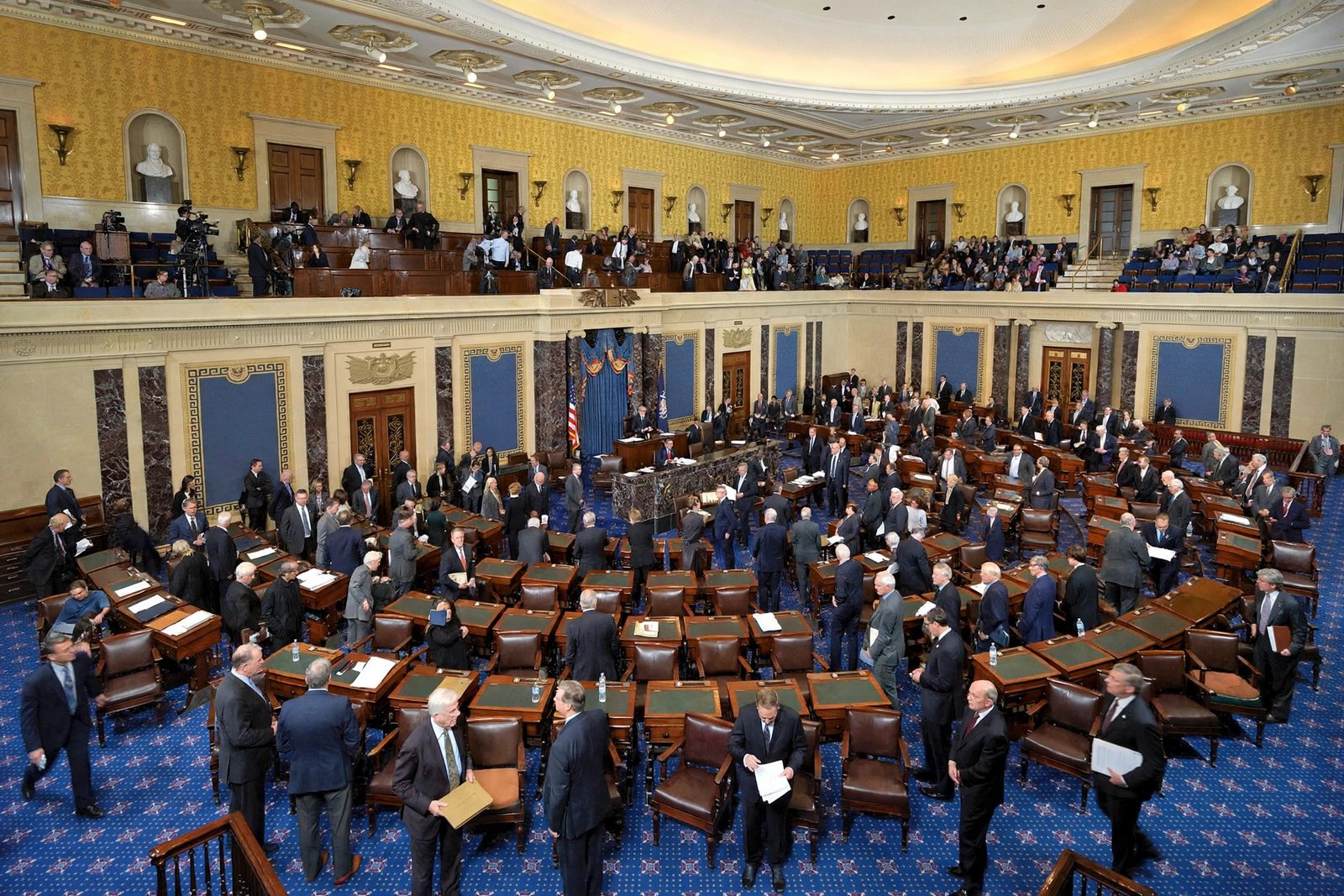
Government Shutdown Update November 2026: What Happens Next
| When | What happens |
|---|---|
| Monday night, Nov 9, 2026 | Senate passes the funding package 60–40 |
| Overnight, into Wednesday morning | House Rules Committee advances the bill after a hearing lasting more than six hours, ending shortly after 1 a.m. Wednesday |
| Wednesday evening, Nov 11, 2026 | Full House vote expected; Speaker Mike Johnson expects quick passage |
| After House passage | Bill goes to the President for signature |
| After the President signs | Government reopens; furloughed workers return and back pay begins |
The House is the next hurdle, and it is a real one. The House has not been in session since September 19, so members are returning to Washington after nearly two months away. The House Rules Committee advanced the bill overnight after a hearing lasting more than six hours that ended shortly after 1 a.m. Wednesday, with all Republicans supporting it and all Democrats opposed. That party-line committee vote is a warning sign: the full House vote on Wednesday evening is expected to pass, and Speaker Mike Johnson expects quick passage, but the margin and the mood will tell us a lot about how the next funding fight will go.
Even if the House passes the bill on Wednesday evening, the shutdown does not end the moment the vote is called. The bill still needs the President’s signature before the government can reopen. Only then do furloughed workers return to their desks, back pay start flowing, and closed offices and services come back online. Anyone telling you the shutdown is over before that signature is getting ahead of the facts — as of this post, on November 10, 2026, the government is still shut down.
What the Shutdown Has Cost So Far
Six weeks of shutdown is not an abstraction. Hundreds of thousands of federal workers have gone unpaid, and many of them have been working the whole time — air traffic controllers, TSA officers, and other essential staff who cannot simply stay home. Food aid has been delayed for millions of families, with SNAP benefits caught in the funding freeze. Air travel has been disrupted, with delays and cancellations rippling through airports as controllers and security staff work short-handed and unpaid. These are the costs that made the Senate vote urgent, and they are the reason the deal’s SNAP funding and the reversal of the worker firings matter as much as the headline funding numbers.
The economic damage goes beyond the federal workforce. Small businesses that depend on federal contracts, national parks and museums that closed their doors, and communities near federal facilities have all felt the shutdown in their own way. The longer a shutdown lasts, the harder it is to measure the full cost — missed inspections, delayed permits, and postponed research do not show up in a single number, but they add up. That is why the longest shutdown in history is not just a record; it is a warning about what happens when funding fights drag on for weeks.
What Has Changed Since Yesterday
This post is an update to our earlier coverage — yesterday we reported on the Senate advancing the deal toward a vote, and what has changed since then is that the vote actually happened, and the deal passed. The Senate moved from procedural steps toward ending the shutdown to a final 60–40 passage on Monday night, with eight Democrats joining Republicans. That is the single most important change: the bill is no longer a proposal being negotiated, it is a passed Senate bill heading to the House. Our earlier post on the Senate advancing the deal is here: US government shutdown ends November 2026. Read it for the background on how the negotiations got to this point — this update covers what happened next.
The second change is the House timetable. When we last reported, the House schedule was uncertain; now it is set. The Rules Committee worked through the night, the hearing ran more than six hours and ended shortly after 1 a.m. Wednesday, and the full House vote is expected on Wednesday evening. Speaker Mike Johnson expects quick passage. The third change is the confirmation of what the deal does and does not do — the SNAP funding, the reversal of the firings, and the absence of the ACA subsidy extension are now settled facts of the package, not negotiating positions.
What to Watch in the House Vote
Three things will tell you how the House vote really went. First, the margin: a comfortable bipartisan vote signals that the funding fight is cooling down, while a narrow party-line vote signals that the January deadline will be another fight. Second, the Democratic response: the Rules Committee vote was unanimous on party lines, with all Republicans supporting the bill and all Democrats opposed, and if that pattern holds in the full House, the bill will pass on Republican votes alone. Third, what Speaker Johnson says after the vote — whether he frames it as a clean reopening or as a prelude to the next negotiation over the January 30 deadline.
It is also worth watching the timing. The House has not been in session since September 19, and bringing members back for a Wednesday evening vote after a two-month absence is itself a sign of how seriously leadership is taking the moment. If the vote slips past Wednesday, that is a signal that the deal is in more trouble than the public statements suggest. For context on how the shutdown has rippled through the wider economy, see our US jobs report November 2026 — and for the political backdrop, our coverage of the US midterm elections November 2026 explains why both parties are watching the calendar.
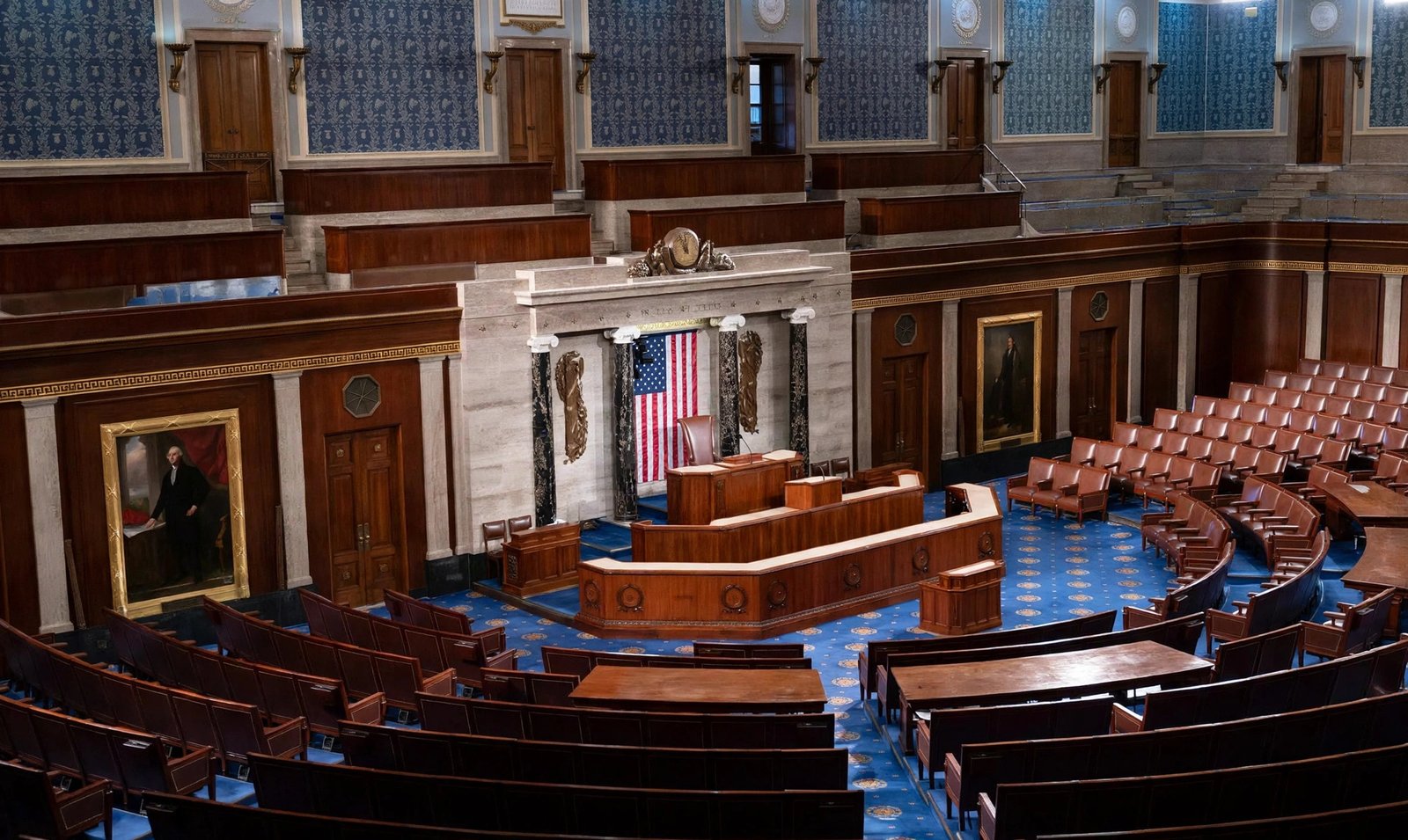
The ACA Subsidies Question
The biggest unresolved issue in this deal is the Affordable Care Act subsidies, and it is the issue most likely to dominate the next month of politics. The package does not extend them. Senate Majority Leader John Thune has promised a Senate vote on extending the subsidies by the second week of December, and that promise was the price of the eight Democratic votes that carried the bill. But a promised vote is not a passed extension, and the subsidies affect millions of people who buy their own health insurance. If the December vote fails, or if it never happens, the consequences will land on households, not on Capitol Hill.
For now, the practical advice is simple: if you buy insurance on the ACA Marketplace, watch the December vote closely and do not assume the subsidies will be there next year. The open enrollment window for Marketplace plans is running now, and the subsidy question will shape what your coverage actually costs. This is the one part of the shutdown deal where the headline — the government reopens — hides a real risk for ordinary people, and it deserves more attention than it has received in the rush to celebrate the Senate vote.
What This Means for You
If you are a federal worker, the deal means your job is coming back — and the reversal of the firings means the workers who were let go during the shutdown are reinstated. Back pay should follow once the bill is signed, though the exact timing depends on your agency. If you rely on SNAP, the full funding in the package means your benefits should be restored, though it may take days for the system to catch up after six weeks of disruption. If you are flying in the coming days, expect delays to ease once controllers and TSA staff are back on a normal footing — but do not expect instant normality. The system has been running short-handed for 41 days, and it will take time to recover.
If you are none of those things, the shutdown still affected you — through delayed services, closed parks and museums, and the broader drag on the economy. The reopening will not undo the damage overnight, but it stops it from getting worse. The January 30 funding deadline means this fight is not over; it is paused. Mark that date the same way you marked the shutdown’s start, because the same arguments will be back on the table in a matter of weeks. For the official statements and reporting behind this update, see the statement on the House vote to end the government shutdown, the report on the Senate’s steps toward a vote on ending the shutdown, and the report on the Senate advancing the bill to end the 40-day shutdown.
Frequently Asked Questions
Is the government shutdown over?
No. As of this government shutdown update november 2026, posted November 10, the shutdown has NOT ended. The Senate passed the funding deal 60–40 on Monday night, November 9, but the bill still needs House passage — expected Wednesday evening, November 11 — and the President’s signature before the government reopens.
How long has the shutdown lasted?
The shutdown began on October 1, 2026, and has lasted 41 days, making it the longest government shutdown in US history. The previous record was the 35-day shutdown of 2018–19.
What does the funding deal include?
The package funds the government through January 30, 2027, includes three full-year spending bills (Agriculture, FDA, Veterans Affairs, military construction, and the legislative branch), reverses the administration’s firing of furloughed federal workers, and fully funds SNAP food aid. It does NOT extend Affordable Care Act subsidies.
When will the House vote?
The full House is expected to vote on Wednesday evening, November 11, 2026. The House Rules Committee advanced the bill overnight after a hearing lasting more than six hours that ended shortly after 1 a.m. Wednesday. Speaker Mike Johnson expects quick passage. The House has not been in session since September 19.
What happens to ACA subsidies?
The deal does not extend them. Senate Majority Leader John Thune has promised a Senate vote on extending the subsidies by the second week of December. That vote has not happened yet, and its outcome is uncertain.
When will federal workers get paid?
Back pay should begin after the bill is signed by the President and the government reopens. The exact timing depends on each agency, and it may take days for pay and benefits systems to catch up after 41 days of shutdown.
Conclusion: Close, But Not Done
This government shutdown update november 2026 is the most hopeful one we have published in weeks — a 60–40 Senate vote, a House vote set for Wednesday evening, and a real path to reopening the government. But hopeful is not the same as done. The bill still needs the House and the President, the ACA subsidies question is unresolved until December, and the January 30 funding deadline means the same fight will be back soon. Watch the House vote on Wednesday evening, and watch what happens next. We will update this story as the vote and the signature happen.



