
How Much Does a Christmas Tree Cost in 2026? Real vs Artificial, Farm vs City
Every December, the same question comes up at the kitchen table: how much does a christmas tree cost in 2026, and are we paying too much for it?
The honest answer is that it depends more on where you buy than on the tree itself: the same seven-foot Fraser fir can cost under $50 at a Minnesota farm and more than $230 delivered to a Manhattan apartment.
This guide lays out the real 2026 prices: the national averages, farm versus city-lot prices, big-city delivery fees, and the break-even maths on real versus artificial. Every figure comes from a published 2026 source, and where prices vary, you will see the range.
How Much Does a Christmas Tree Cost in 2026? The Short Answer
So how much does a christmas tree cost, really? For a real tree, budget around $112 — the average from the National Christmas Tree Association’s consumer survey, which put the average real-tree price at $112.45 in 2024. Averages for 2020 to 2024 ran between $107 and $129, so the national picture has been fairly steady for five years.
But the average hides a wide spread. At a cut-your-own farm you can still find a seven- to eight-foot tree for under $50; at a Los Angeles city lot, the same size tree runs $110 to $230; delivered and installed in San Francisco or Manhattan, the bill climbs to $239 or more. The tree is the same species and roughly the same size in each case — what changes is the journey it took to reach you.
Artificial trees are a different calculation altogether. A 7.5-foot pre-lit artificial tree at Home Depot runs $199 to $399, depending on height, fullness, and lighting. That looks expensive next to a $112 real tree, until you spread it over the years you will use it: an artificial tree that lasts five years works out to $40 to $80 a year — cheaper than a fresh real tree every December.
What the Numbers Say: The National Picture
The national average is the most useful starting point: it tells you whether the price on the tag is fair. The National Christmas Tree Association’s consumer survey put the average real-tree price at $112.45 in 2024, with 2020–2024 averages between $107 and $129 — remarkably stable for five years of inflation.
Those averages are the honest starting point, but 2026 brings good news for buyers. The Real Christmas Tree Board’s 2026 grower survey found that 91% of wholesale growers plan to hold or cut their prices this year, and 85% rate availability as strong. In plain terms: there are plenty of trees, and most growers are not raising prices.
The other national benchmark is the price per foot. A compilation of 339 farms by PickingFarms put the median price at $12 a foot — about $84 for a seven-foot tree — with state medians running $10 to $16 a foot. That figure lets you sanity-check any price you are quoted: multiply the height by $12, and if the tag is far above that, you are paying for location, delivery, or convenience rather than for the tree.
None of this means prices are the same everywhere. The national average is a blend of cheap farm trees and expensive city trees, and your own bill will depend on which end of that blend you buy from. The National Christmas Tree Association publishes the survey behind these averages.
Tree Prices by Where You Buy
Where you buy matters more than what you buy: a farm, a city lot, and a delivery service sell the same kind of tree at very different prices. Here is how the 2026 prices stack up.
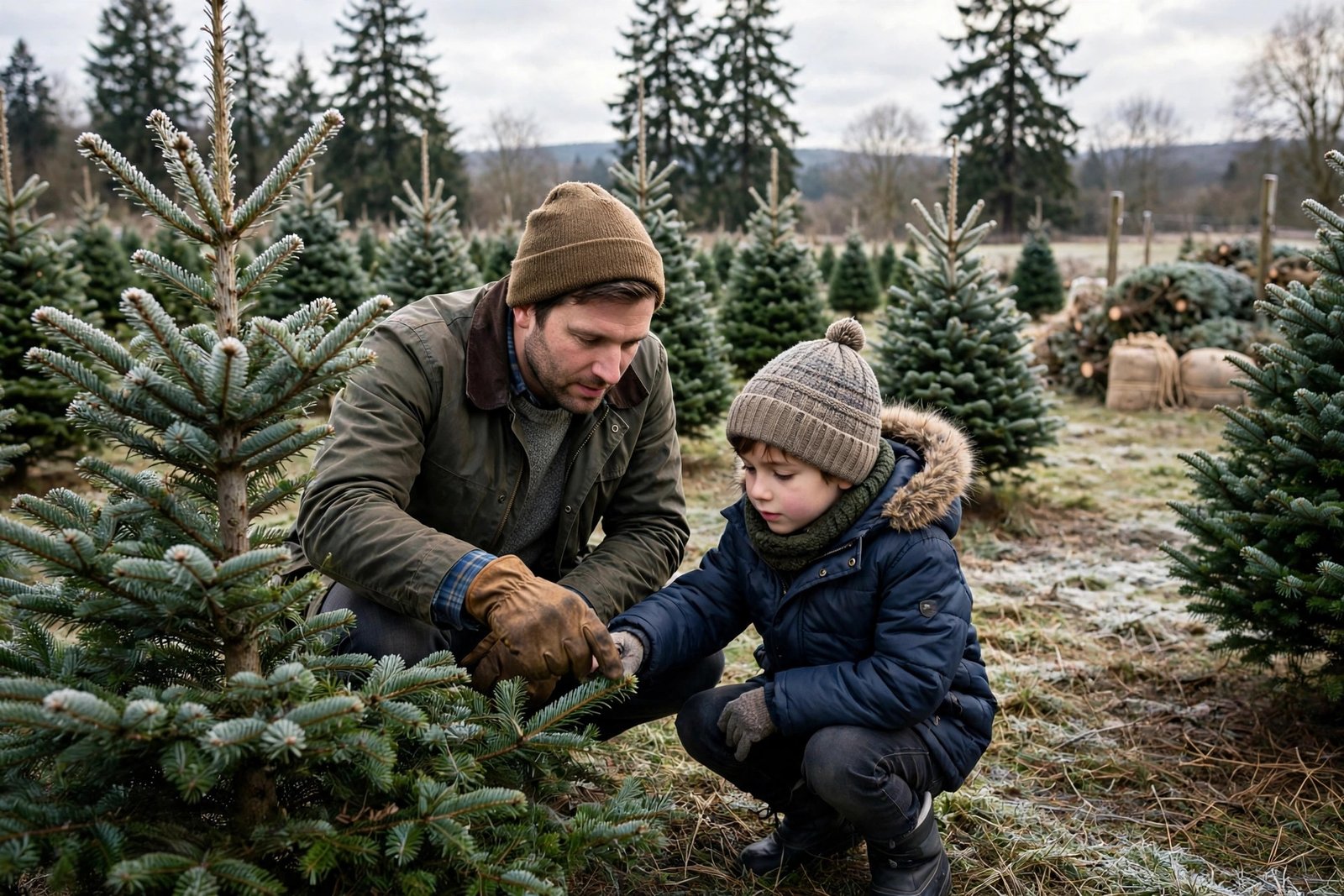
The cheapest option is a cut-your-own farm. At B&J Trees in Minnesota, a seven- to eight-foot Scotch pine is $47.99, a Fraser fir select is $65.97, and a premium Fraser fir is $88.98. At Jones Family Farms in Connecticut, a cut-your-own tree is $110 on a weekday and $130 over Thanksgiving weekend. The farm price is low because you do the work yourself: you walk the field, pick the tree, and cut it down.
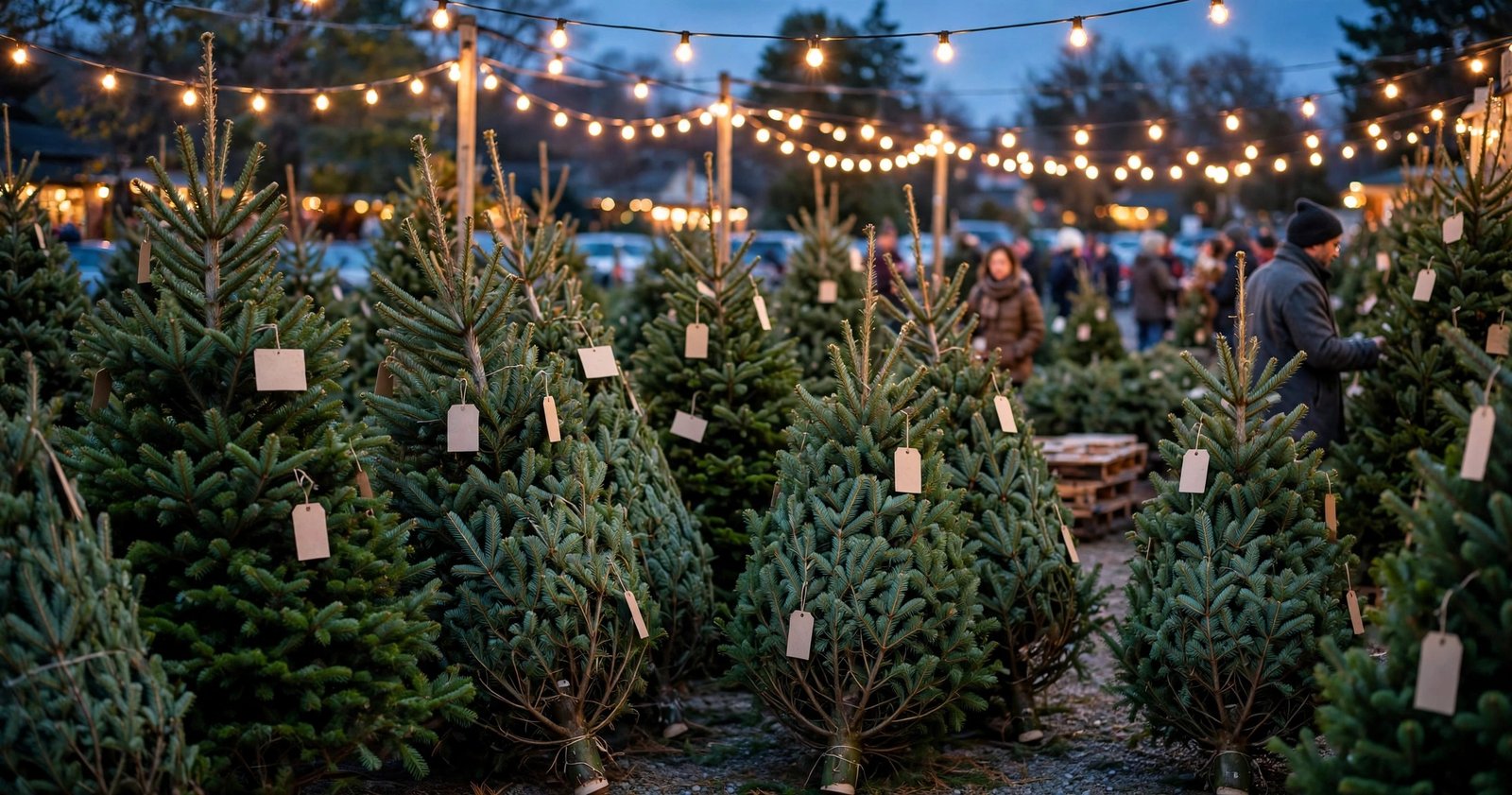
City lots are where the price jumps. Lots in Los Angeles charge $109.99 to $229.99 for a tree, roughly double the farm price for a comparable tree. The lot pays city rent, transports the trees in from the growing regions, and staffs the lot for weeks. You are paying for convenience: a tree already cut, already baled, and ten minutes from your home.
Big-city delivery is the most expensive way to get a tree. In San Francisco, a tree costs around $155, plus $125 for delivery and installation — about $280 before you have hung a single ornament. In Manhattan, a delivered and installed tree runs about $239. Delivery makes sense with no car or a walk-up apartment, but it can more than double the cost of the tree itself.
| Where you buy | Price range (2026) | What it covers |
|---|---|---|
| Cut-your-own farm | $48–$130 | You pick and cut the tree yourself |
| Farm pre-cut | $66–$89 | Cut and baled by the farm |
| City lot | $110–$230 | Cut and baled, close to home |
| Big-city delivered and installed | $239–$280 | Tree plus delivery and installation |
| Artificial pre-lit (7.5 ft) | $199–$399 | One-off purchase, reusable for years |
The pattern is clear: every step closer to your living room adds cost. Christmas Tree Near Me lists local lots and farms by area, which is the fastest way to compare the options near you.
What Makes One Tree Cost More Than Another
Height is the biggest single driver of price. Trees are priced by the foot — the median is $12 — so every extra foot adds roughly $10 to $16 to the bill. A six-foot tree and an eight-foot tree from the same farm can differ by $25 or more, and the gap widens at city lots. Measure your ceiling before you shop: a tree a foot too tall is money spent on branches you will cut off at home.
Species is the second driver. At B&J Trees, a seven- to eight-foot Scotch pine is $47.99, while a premium Fraser fir of the same height is $88.98 — nearly double. Fraser firs cost more because they hold their needles better and keep their shape. Scotch pines are cheaper and still make a perfectly good tree. Our guide to how to keep a real Christmas tree alive explains which species hold their needles longest: a cheap tree that sheds by December 15 is no bargain.
Real vs Artificial: The Break-Even Math
This is the question behind how much does a christmas tree cost over time, and it decides whether an artificial tree is actually a bargain. A real tree is cheaper in year one and costs the same every year; an artificial tree is expensive in year one and free after that. The maths is simple, and worth doing before you spend $300 on a box.
Start with the modelled comparison: a real tree’s first season works out to about $142.96 once you count the tree and the extras, while an artificial setup comes to about $213.98. The artificial tree costs more in that first season — but the real tree’s bill comes back every December, while the artificial tree’s does not.
Now spread the artificial tree’s price over the years you will use it. A $199 tree works out to about $100 a year over two years, $66 over three, $40 over five, and $28 over seven. A $399 tree is $200 a year over two years, $133 over three, $80 over five, and $57 over seven. Against a real tree at about $112 every year, the break-even point lands in year two or three for most artificial trees.
| Option | Cost per year: 2 years | 3 years | 5 years | 7 years |
|---|---|---|---|---|
| Real tree (NCTA average $112) | $112 | $112 | $112 | $112 |
| Artificial tree, $199 | ~$100 | ~$66 | ~$40 | ~$28 |
| Artificial tree, $399 | ~$200 | ~$133 | ~$80 | ~$57 |
The catch is the word “if”: an artificial tree only wins if it actually lasts. A cheap one with flimsy branches and lights that fail after two seasons is worse value than a real tree every year; a well-made one that survives seven or eight Christmases is a clear saving. Before you buy, check the warranty, feel the branches, and read reviews of that exact model. If you are torn, our real vs artificial Christmas tree guide weighs the smell, the mess, and the environmental side alongside the money.
9 Ways to Save on a Christmas Tree
1. Cut your own. The cheapest tree is often the one you cut yourself: a cut-your-own farm charges $48 to $130, against $110 to $230 at a city lot. Bring a saw, wear old clothes, and make a morning of it.
2. Go shorter. Trees are priced by the foot, at a median of $12. Dropping from eight feet to seven saves roughly $10 to $16 — measure your ceiling and buy the height you need.
3. Pick Scotch pine over premium Fraser fir. At the same farm, a Scotch pine can cost nearly half as much as a premium Fraser fir — $47.99 against $88.98 at B&J Trees. Put the tree up in mid-December and the difference in needle retention barely matters.
4. Skip the city lot. If you have a car and a free hour, drive to a farm instead of the lot on the corner: the saving is often $50 or more, and the tree will be fresher too. Check Original Pricing for what trees cost across the country.
5. Buy on a weekday. Farms and lots charge more at peak times: Jones Family Farms charges $110 on a weekday against $130 over Thanksgiving weekend. Buy on a Tuesday or Wednesday and pocket the difference.
6. Skip delivery and installation. Delivery and installation can add $125 to the bill, as the San Francisco example shows — more than the tree itself. Borrow a car, strap the tree to the roof, and carry it up the stairs yourself: $125 saved in an afternoon.
7. Reuse your stand and lights. The tree is only part of the bill. A good stand lasts for years, and so do LED lights — buying them once and reusing them is the quietest saving in this guide, and it is why the modelled first-season cost of a real tree ($142.96) is higher than the tree alone. Our guide to the best Christmas lights 2026 covers LED sets that last several seasons.
8. Consider artificial if you will keep it three years or more. The break-even maths above shows an artificial tree beating a real one from year two or three onwards. Use it for five Christmases and the $199 artificial tree costs about $40 a year — a third of the real-tree average. Buy it on sale after Christmas and the saving grows further.
9. Shop around — growers are holding prices. The 2026 grower survey found 91% of wholesale growers plan to hold or cut prices, and 85% rate availability as strong. Compare two or three sellers before you buy.
The Hidden Costs Nobody Budgets For
The tree is only part of the bill, and it is the part everyone remembers. The rest — stand, lights, storage, delivery — creeps in quietly, and it is why the modelled first-season cost of a real tree is $142.96 rather than the $112 average.
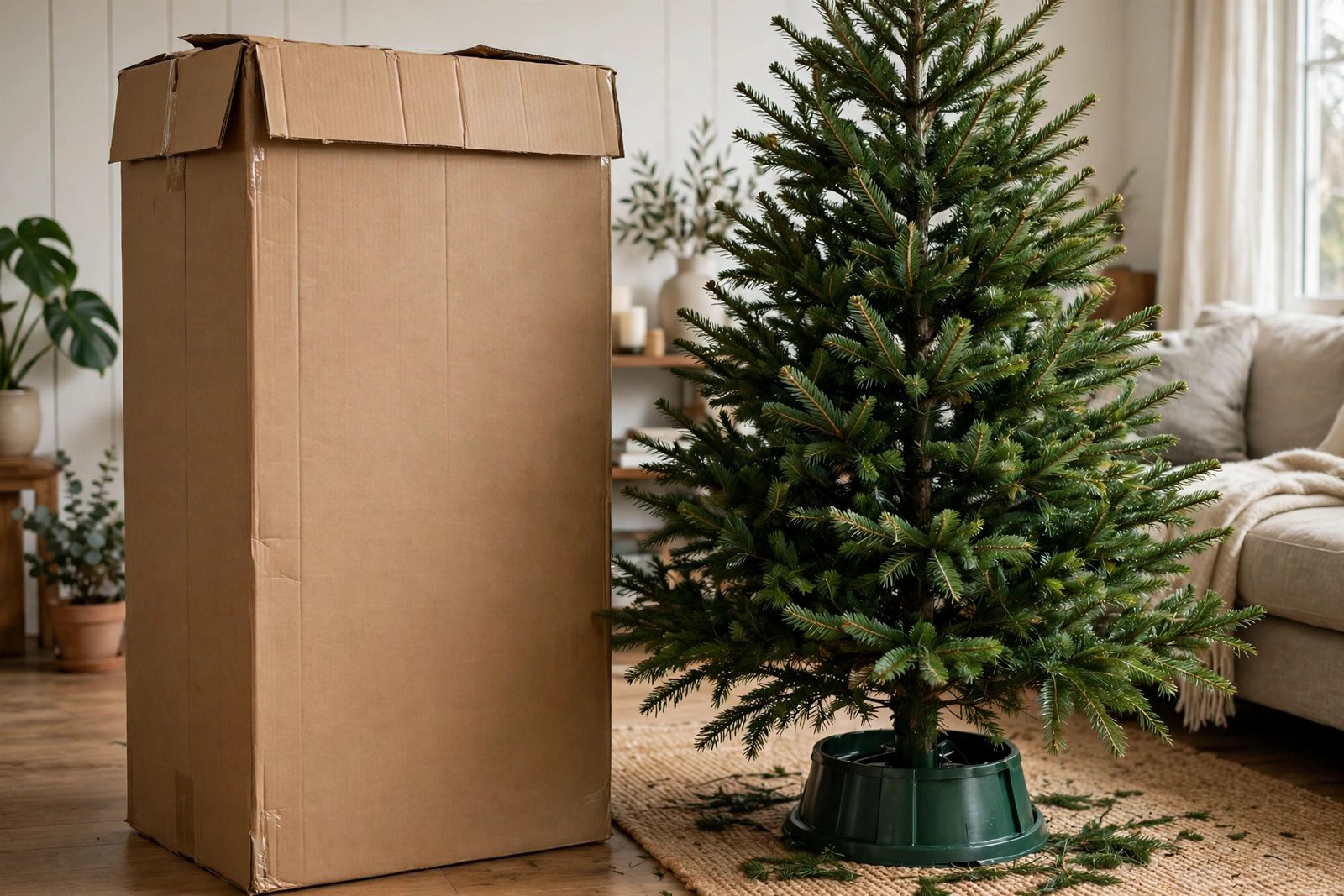
A stand is the first extra. A cheap stand wobbles, holds too little water, and can tip a full tree onto the floor. A sturdy one costs more but lasts for years, and it keeps the tree drinking.
Frequently Asked Questions
How much does a Christmas tree cost on average?
The National Christmas Tree Association’s consumer survey put the average real-tree price at $112.45 in 2024, with 2020–2024 averages running $107 to $129. Individual prices range from under $50 at a farm to $239 or more delivered in a big city.
Is a real tree or an artificial tree cheaper?
A real tree is cheaper in year one — about $112 on average against $199 to $399 for a pre-lit artificial tree. But an artificial tree becomes cheaper from season two onwards if it lasts: a $199 tree works out to about $40 a year over five years, against $112 a year for a new real tree every December.
Why are Christmas trees so expensive in cities?
City lots pay city rent, transport trees in from the growing regions, and staff the lot for weeks — and delivery and installation can add $125 or more. A $48–$89 farm tree can cost $110 to $230 at a Los Angeles lot, and $239 to $280 delivered in Manhattan or San Francisco.
What does a Christmas tree cost per foot?
The median across 339 farms is $12 a foot, with state medians running $10 to $16. A seven-foot tree at the median is about $84. Multiply the height by $12 to sanity-check any price: far above that, and you are paying for location or convenience.
When is the cheapest time to buy a Christmas tree?
Weekdays are cheaper than Thanksgiving weekend — Jones Family Farms charges $110 on a weekday against $130 over the holiday weekend. The 2026 grower survey found 91% of wholesale growers plan to hold or cut prices, so comparing a few sellers should pay off.
Does the price include the stand and lights?
Usually not. The tree price is for the tree alone; the stand, lights, and delivery are extra — which is why the modelled first-season cost of a real tree is $142.96 rather than the $112 average. If you already own a stand and lights, your only cost is the tree itself.
Conclusion
So how much does a christmas tree cost in the end? For most people, about $112 for a real tree — the national average — or $199 to $399 once for an artificial tree that lasts for years. But the range is enormous, from $48 at a cut-your-own farm to $280 delivered in a big city, and where you buy matters far more than which tree you pick.
The smartest money move is simple: know the per-foot price, compare a farm against a lot, and do the break-even maths before you buy an artificial tree. Use it for three Christmases or more and the artificial tree wins on price; love the smell of a real tree, and the farm is the cheapest way to get one.
Either way, the tree is the smallest part of the Christmas budget. Our guide to how much you should spend on Christmas gifts puts the tree in context against the rest of the season’s spending — and with 91% of growers holding or cutting prices, 2026 is a good year to buy well.



