

What Is Seasonal Affective Disorder? Symptoms, Causes, and Treatment

Every winter, millions of people notice the same shift: the days get shorter, the light gets weaker, and their mood sinks with it. For most, it’s a passing case of the winter blues. For others, it’s something more serious — a real form of depression that returns with the seasons. If you’ve ever wondered what is seasonal affective disorder, and whether what you feel each winter counts as more than just hating the cold, this guide explains the symptoms, the causes, and the treatments that actually work, based on guidance from the National Institute of Mental Health (NIMH) and UCSF Health.
The key fact up front: seasonal affective disorder, usually shortened to SAD, is a type of depression with a recurring seasonal pattern. It isn’t a lack of willpower, and it isn’t just being sad about Christmas being over. It’s a recognised medical condition with a pattern, a set of symptoms, and treatments backed by evidence — and the sooner you recognise it, the sooner you can do something about it.
What Is Seasonal Affective Disorder?
Seasonal affective disorder (SAD) is a type of depression in which symptoms return around the same time each year and can linger for four to five months. Winter-pattern SAD is the more common form: it begins in late fall or early winter and lifts in the spring, when the days lengthen. Summer-pattern SAD also exists — it starts in late spring or early summer and eases by fall — but it is much less common.
Diagnosis isn’t based on one bad winter. The seasonal pattern must appear across at least two consecutive years, and the DSM-5-TR — the manual clinicians use to diagnose mental health conditions — lists SAD as major depressive disorder with a seasonal pattern. In other words, SAD is depression first and seasonal second: the low mood is real, and the season is the trigger.
How common is it? Around 2–3% of people in northern Europe experience SAD, and up to 1 in 5 have the milder winter blues. It is more common further north, where the winter nights are longest, and more common in women than in men. It usually starts between the ages of 20 and 30, which means many people live with it for years before anyone names it.
Symptoms: More Than Feeling Down
When people ask what is seasonal affective disorder, the symptoms are the clearest answer. The symptoms of winter-pattern SAD look like depression with a twist. The low mood is there, along with a loss of interest in things you usually enjoy, but the physical symptoms run in the opposite direction from classic depression. Instead of insomnia, people with SAD tend to oversleep. Instead of losing their appetite, they crave carbohydrates and gain weight. Add heavy fatigue, difficulty concentrating, and social withdrawal, and you have a pattern that can quietly take over a whole winter.
The full list of symptoms named by NIMH includes: low mood most of the day, nearly every day; losing interest in activities you once enjoyed; oversleeping; feeling sluggish and low-energy; craving carbohydrates and overeating, with weight gain; difficulty concentrating; and withdrawing from friends and family. If several of these show up together every winter and lift every spring, that’s the pattern worth paying attention to.
One detail that helps people recognise SAD in themselves: the symptoms don’t track the calendar, they track the light. A grey, dark November is worse than a bright, snowy January with clear skies. That’s why the condition is tied to daylight, not to the holidays — a distinction NIMH stresses when it explains that SAD is not the “holiday blues.”
SAD vs Winter Blues vs Holiday Blues
| Pattern | What drives it | How long it lasts | What helps |
|---|---|---|---|
| Seasonal affective disorder (SAD) | Reduced daylight disrupting serotonin, melatonin, and circadian rhythm | 4–5 months, recurring yearly | Light therapy, SSRIs, CBT, vitamin D |
| Winter blues | Short days and cold weather lowering mood and energy | Days to weeks, on and off through winter | More daylight, exercise, regular sleep, social contact |
| Holiday blues | Stress, expectations, loneliness, or grief around the holidays | Days to a few weeks around specific dates | Lowering expectations, setting boundaries, talking to someone |
Understanding what is seasonal affective disorder also means understanding what it isn’t. The table matters because the three get mixed up constantly. The holiday blues, as NIMH explains, are sadness or anxiety caused by stress at certain times of year — the pressure of family gatherings, money worries, or missing someone. SAD is different: it’s tied to daylight, not the calendar, and it follows the same seasonal pattern year after year. The winter blues sit in between — real, but milder and less regular than SAD. If your low mood arrives with the dark mornings and leaves with the spring light, year after year, that’s the SAD pattern, and it’s worth raising with a doctor rather than waiting it out.
What Causes SAD?
The exact cause of seasonal affective disorder is unknown, but researchers have a strong working theory, and it centres on sunlight. Reduced sunlight in fall and winter is thought to disrupt two chemicals the brain depends on: serotonin, which regulates mood, and melatonin, which regulates sleep. Less light also disrupts the body’s internal clock — the circadian rhythm that tells you when to feel alert and when to feel sleepy.
When that clock drifts out of sync, the effects cascade. Sleep gets longer but less refreshing. Energy drops. Appetite shifts toward carbohydrates, which the body uses for quick energy. Mood follows. It’s a chain reaction that starts with light and ends with a person who feels like a dimmer version of themselves for months at a time.
Geography supports the theory. SAD is more common further north, where winter days are shortest, and less common near the equator, where daylight barely changes across the year. The pattern also explains why the treatments that work best are the ones that replace or mimic the missing light, or that directly address the chemistry light normally regulates.
Treatments That Work

NIMH names four treatments for SAD: light therapy, antidepressant medicine (SSRIs), talk therapy — specifically cognitive behavioural therapy, or CBT — and vitamin D. They can be used alone or together, and the right combination depends on the person, the severity of symptoms, and what a clinician recommends.
Light therapy. This is the first-line treatment for winter-pattern SAD, and it’s the one most people start with. It uses a 10,000 lux medical light box for 20–30 minutes, ideally within an hour of waking. You sit near the box while you eat breakfast or read the news — you don’t stare into it. Benefit usually appears within one to two weeks. The evidence is promising rather than conclusive, but for many people it makes a visible difference, and it has few side effects beyond mild eye strain or headache in the first days. Note that a light box is a medical device, not a desk lamp: the brightness and the UV filtering matter, so buy a box designed for light therapy rather than an ordinary bright light.
Antidepressants (SSRIs). Selective serotonin reuptake inhibitors — the same class of medicine used for other forms of depression — are effective for SAD, and they can be used alongside light therapy. They take four to six weeks to reach full effect, so they need to be started before the worst of winter arrives. A doctor decides whether they’re appropriate and which one to use.
Talk therapy (CBT). Cognitive behavioural therapy adapted for SAD helps people identify and change the negative thought patterns and behaviours that winter encourages — staying in, cancelling plans, sleeping too long. Studies have found CBT can be as effective as light therapy, and its benefits may last longer after treatment ends, because it teaches skills rather than depending on a device.
Vitamin D. Low vitamin D is common in winter, and some people with SAD have low levels. Supplements are sometimes recommended, but the evidence for vitamin D as a standalone treatment for SAD is weaker than for the other three options. It’s best thought of as a supporting measure, discussed with a clinician, rather than a replacement for light therapy or medicine.
What You Can Do at Home
Medical treatment works best alongside everyday habits that support the same goals. Getting outside in the morning — even on a cloudy day, outdoor light is far brighter than indoor light — helps reset the circadian clock. Regular exercise, even a 20-minute walk, lifts mood and energy. A consistent sleep schedule matters more in winter than in summer, because oversleeping feeds the fatigue. And staying socially connected, even when withdrawal feels easier, protects against the isolation that makes SAD worse.
Our guides on how to sleep better naturally and how to fall asleep without melatonin cover the sleep habits that matter most here — a regular wake time, a dark bedroom, and a wind-down routine that doesn’t involve a screen.
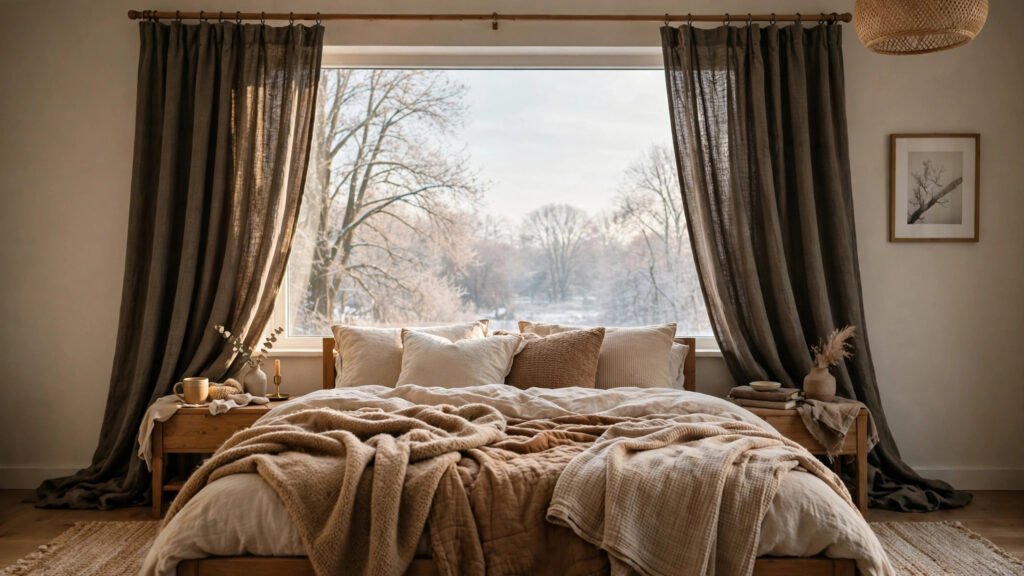
One more practical step: make your home brighter. Open the curtains fully in the morning, sit near a window while you work, and keep the rooms you spend the most time in well lit. None of this replaces treatment, but it stacks the odds in your favour — and it’s free. Recent reporting on the topic, including coverage of how shorter daylight affects mood, underlines the same point: light is the lever, and small daily doses of it add up. For the clinical detail behind everything in this article, the NIMH guide to seasonal affective disorder and the UCSF Health overview are the authoritative sources.

When to Seek Help
Most winter low mood doesn’t need a doctor. But there are clear lines where professional help becomes important. Seek help if your symptoms last two weeks or more, if they interfere with work, school, or relationships, or if you have any thoughts of self-harm. In the United States, you can call or text 988 at any time to reach the Suicide & Crisis Lifeline. The 988 Lifeline is free, confidential, and available 24 hours a day.
Seeing a doctor is also the right move if you’re not sure whether what you have is SAD — the question of what is seasonal affective disorder comes up most often in November, when the pattern first shows itself — the winter blues, or something else entirely — depression, thyroid problems, and vitamin deficiencies can all look similar in winter, and only a clinician can tell them apart. A diagnosis also opens the door to treatments you can’t get on your own, including prescription medicine and a proper CBT programme.
Don’t wait for spring to decide. The treatments for SAD work best when they start early in the season, and the annual pattern means you can plan ahead: if you know November is when it starts, you can have the light box ready, the appointments booked, and the habits in place before the darkness arrives. For winter skin issues that often arrive with the same season, our guide on how to treat dry skin in winter is a useful companion read.
Frequently Asked Questions
What is seasonal affective disorder?
Seasonal affective disorder (SAD) is a type of depression with a recurring seasonal pattern. Symptoms return around the same time each year — most commonly in late fall and winter — and can linger for four to five months before lifting in spring.
How is SAD different from the winter blues?
SAD is a diagnosed form of depression with a regular seasonal pattern across at least two consecutive years. The winter blues are milder, less regular, and shorter-lived — low mood and energy on dark days, rather than a sustained depressive episode.
Does light therapy really work?
For many people, yes. A 10,000 lux light box used for 20–30 minutes within an hour of waking usually brings benefit within one to two weeks. The evidence is promising rather than conclusive, and it works best as part of a broader plan that may include medicine or therapy.
Can SAD happen in summer?
Yes. Summer-pattern SAD starts in late spring or early summer and eases by fall. It’s much less common than the winter pattern, and its symptoms tend to differ — more agitation and insomnia than oversleeping and overeating.
When should I see a doctor about SAD?
If symptoms last two weeks or more, interfere with work or relationships, or include any thoughts of self-harm, seek help promptly. In the US, call or text 988 for the Suicide & Crisis Lifeline. A doctor can also rule out other causes, like thyroid problems or vitamin deficiencies.
Is vitamin D a treatment for SAD?
Vitamin D supplements are sometimes recommended, especially if levels are low, but the evidence for vitamin D alone as a SAD treatment is weaker than for light therapy, SSRIs, or CBT. Discuss it with a clinician rather than relying on it as a sole treatment.
Conclusion
What is seasonal affective disorder? It’s depression that follows the seasons — a real, recognised condition driven by reduced daylight, with symptoms that return each winter and lift each spring. The good news is that it responds to treatment: light therapy, antidepressants, CBT, and vitamin D, used alone or together, help most people, and simple daily habits like morning daylight and regular exercise make the treatments work better. If the pattern sounds familiar, don’t write it off as just hating winter. Talk to a doctor, start early in the season, and give yourself the same care you’d give anyone else facing a health problem. This article is general information, not medical advice — for a diagnosis or treatment plan, speak to a qualified clinician.



