
This article is general health information, not medical advice. If you have high blood pressure or suspect you do, talk to your doctor before making changes — especially if you take medication. Never stop or adjust prescribed medication on your own.
High blood pressure is often called the “silent killer” because it usually has no symptoms — yet it quietly raises the risk of heart attack, stroke, and kidney disease. The good news is that lifestyle changes are genuinely powerful here: many people can meaningfully lower their numbers without medication, and even those who need prescriptions often need lower doses once healthy habits are in place. This guide explains how to lower blood pressure naturally with 12 science-backed strategies, from the eating plan researchers rank #1 for blood pressure to the exact exercise amounts health authorities recommend.
How to Lower Blood Pressure Naturally: Know Your Numbers First
You can’t manage what you don’t measure. Blood pressure is recorded as two numbers in millimeters of mercury (mm Hg): systolic (the pressure when your heart beats) over diastolic (the pressure between beats). The American Heart Association divides readings into these categories:

Put simply: under 120/80 is normal, 120–129/<80 is elevated, 130–139 or 80–89 is Stage 1 hypertension, and 140/90 or higher is Stage 2. Anything above 180/120 is a crisis that needs immediate medical attention. The American Heart Association’s blood pressure facts page has the full table, and the CDC’s prevention guide is another excellent reference.
Why does this matter so much? Because high blood pressure is staggeringly common — nearly half of U.S. adults have it, and about three in four of them don’t have it under control, according to the CDC. In 2024, high blood pressure was a primary or contributing cause of over 680,000 deaths in the United States. Those numbers are sobering, but they’re also why every strategy below is worth your attention.
1. Follow the DASH Eating Plan
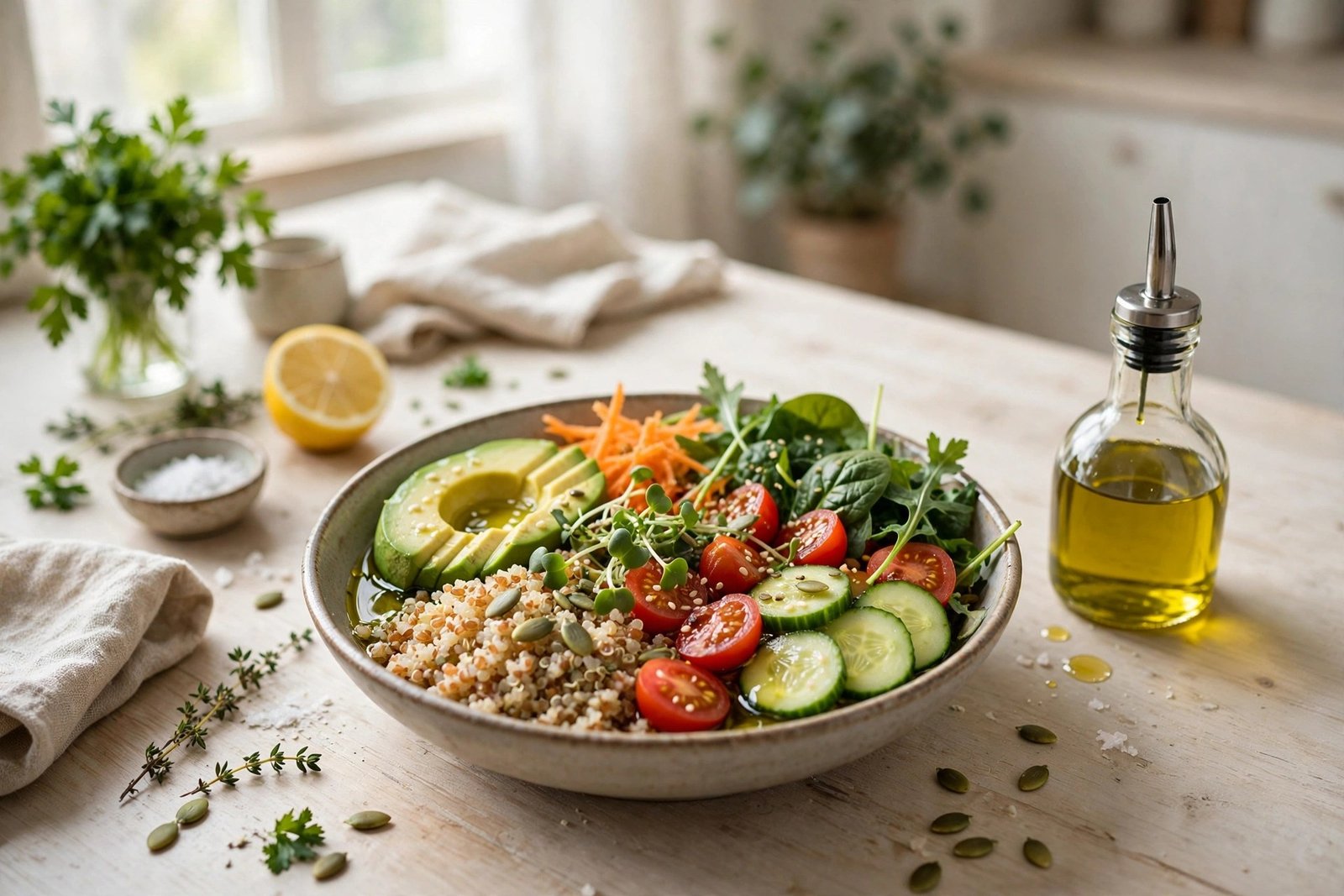
If you adopt exactly one strategy from this list, make it this one. The DASH (Dietary Approaches to Stop Hypertension) eating plan was developed by researchers funded by the National Heart, Lung, and Blood Institute, and it remains the most studied dietary approach for blood pressure. DASH emphasizes fruits, vegetables, whole grains, low-fat dairy, fish, poultry, beans, and nuts, while limiting sodium, added sugars, and saturated fat.
The evidence is unusually strong: NIH-funded trials found the DASH diet lowered systolic pressure by 6 mm Hg and diastolic by 3 mm Hg in people with high-normal readings — and by 11 and 6 mm Hg respectively in people with hypertension, with no weight loss involved. In 2025, the U.S. News & World Report rankings named DASH the #1 “Best Heart-Healthy Diet” and “Best Diet for High Blood Pressure,” as the NHLBI announced. Participants in the original studies saw improvements within weeks.
2. Cut Back on Sodium — The Right Way
Sodium makes your body hold onto water, which raises blood volume and blood pressure. The DASH trials used a target of 2,300 mg of sodium per day (about one teaspoon of salt), and found that people who went lower saw even greater drops. Here’s the catch most people miss: the bulk of dietary sodium doesn’t come from your salt shaker — it comes from bread, processed meats, canned soups, restaurant meals, and snacks.
Practical moves that actually work: cook more meals at home, read labels (anything over 20% of the daily value per serving is high), rinse canned beans, choose “no salt added” versions of staples, and flavor food with herbs, citrus, garlic, and spices instead of salt. Your taste buds genuinely adapt within two to three weeks — foods that tasted bland at first start tasting normal, and the old favorites start tasting overwhelmingly salty.
3. Eat More Potassium-Rich Foods
Potassium helps your body excrete sodium and eases tension in blood vessel walls. The DASH pattern is naturally rich in it: bananas, oranges, potatoes, spinach, beans, lentils, yogurt, and avocados are all strong sources. One caution — if you have kidney disease or take certain blood pressure medications, your doctor may tell you to limit potassium instead. This is exactly the kind of thing to check with your clinician before loading up on supplements.
4. Get 150 Minutes of Exercise a Week
Regular aerobic exercise strengthens your heart so it pumps blood with less effort, which lowers the pressure on your arteries. The CDC recommends about 30 minutes of moderate activity, five days a week — brisk walking, cycling, swimming, or dancing all count. Studies consistently show this level of activity can lower systolic pressure by several points, and the effect is larger in people starting from higher readings.

If 30 minutes feels like a lot, start with ten-minute walks and build up — consistency beats intensity at the beginning. Strength training twice a week adds further benefit. And if your schedule is unusual, remember that movement still counts: people working odd hours can borrow structure from a consistent morning routine for night-shift workers to anchor exercise into their day.
5. Lose Excess Weight (Even a Little Helps)
Blood pressure tends to rise with body weight, and the relationship works in reverse too: losing even a modest amount of weight can bring readings down noticeably. You don’t need a dramatic transformation — clinicians often see meaningful improvements with a 5–10% reduction in body weight. The mechanism is straightforward: less body mass means less work for your heart and less resistance in your blood vessels.
The most sustainable approach combines the DASH-style eating pattern above with the activity level in strategy #4. Crash diets, by contrast, tend to spike stress hormones and are rarely maintained — the opposite of what your blood pressure needs.
6. Limit Alcohol
Drinking too much alcohol can raise blood pressure by several points and blunts the effect of blood pressure medications. It also adds empty calories that work against the weight goal above. Health authorities generally advise no more than one drink per day for women and two for men — and if your pressure is already high, cutting back further (or cutting it out) is one of the fastest-acting changes you can make. Be honest with yourself about pour sizes: a “glass of wine” at home is often two standard drinks.
7. Quit Smoking (and Avoid Secondhand Smoke)
Every cigarette raises your blood pressure temporarily, and the chemicals in tobacco damage artery walls over time, making hypertension harder to control. The benefits of quitting start within hours — blood pressure begins to drop as circulation improves — and within a year, cardiovascular risk falls substantially. If you’ve tried quitting before, talk to your doctor about cessation aids; combining counseling with medication roughly doubles success rates compared to willpower alone.
8. Sleep 7–9 Hours a Night
People who consistently sleep less than six hours a night are more likely to develop high blood pressure. Poor sleep disrupts the hormones that regulate blood pressure and keeps the nervous system in a higher state of alert. Sleep apnea is a particularly important link: loud snoring, gasping during sleep, and daytime fatigue are worth discussing with your doctor, because treating apnea often improves blood pressure dramatically.
Build the basics first: a consistent bedtime, a dark cool room, no screens for the last 30–60 minutes, and no caffeine after midday. If sleep is a persistent struggle, our guide on how to sleep better naturally covers the full routine in detail.

9. Manage Stress Deliberately
Stress doesn’t directly cause long-term hypertension, but chronic stress drives the behaviors that do — stress-eating, drinking, skipping exercise, sleeping poorly. And repeated acute stress spikes add up. The fix isn’t “just relax”; it’s building specific practices into your week: ten minutes of slow breathing or meditation, a daily walk without your phone, or journaling to get looping worries out of your head and onto paper.
Mayo Clinic’s physicians note that while evidence for stress-reduction techniques lowering blood pressure long-term is still building, the indirect benefits — better sleep, less drinking, more consistent exercise — are well established. For a structured walkthrough of what’s actually supported, see Mayo Clinic’s guide to lowering high blood pressure.
10. Monitor Your Blood Pressure at Home
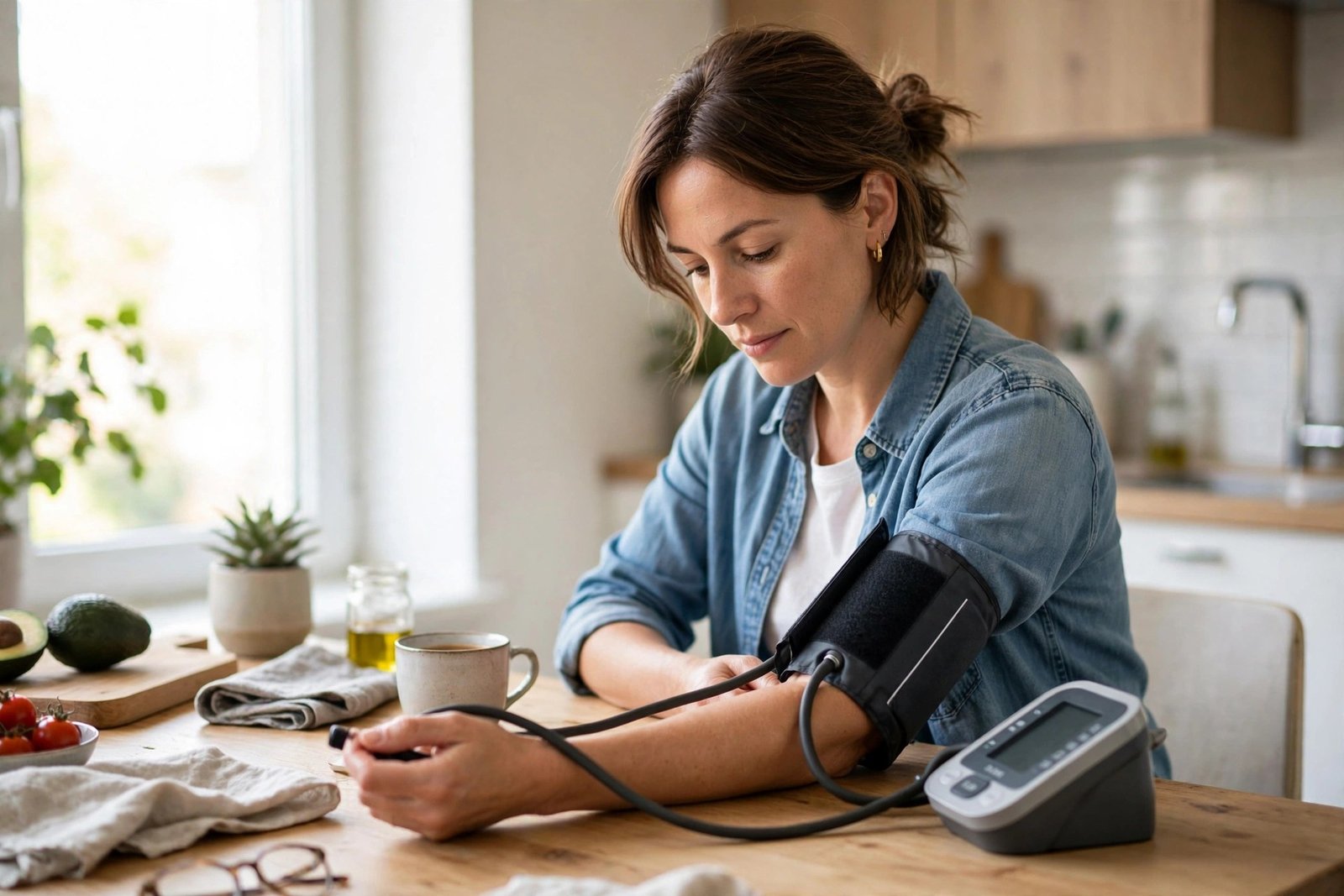
A validated home monitor (upper-arm cuffs are more accurate than wrist models) turns an abstract number into feedback you can act on. Measure at the same times each day — typically morning before medication and evening — sitting quietly for five minutes first, feet flat, arm supported at heart level. Bring a week’s log to your doctor visits; it gives a far better picture than a single in-office reading, which can be skewed by “white coat” anxiety.
Track the trend, not individual readings. One high reading after a stressful morning means little; a two-week average creeping upward means something.
11. Cut Back on Added Sugars
Excess added sugar — especially from sugary drinks — is linked to weight gain and higher blood pressure. Swapping soda and sweetened coffee drinks for water, sparkling water, or unsweetened tea removes hundreds of empty calories a day for many people, which supports both the weight and the sodium strategies above. Read labels on the sneaky sources too: flavored yogurts, breakfast cereals, and sauces often carry more sugar than desserts.
12. Stay Consistent — Small Habits Compound
None of these strategies works as a two-week project. The DASH trials showed results in weeks, but the people who keep their blood pressure down for decades are the ones who turned these into defaults: the walk after dinner, the home-cooked meal, the cuff reading on Sunday morning. Pick two or three strategies, nail them for a month, then add the next. Compounding beats intensity.
| Strategy | What the evidence shows | How fast it can help |
|---|---|---|
| DASH eating plan | NIH trials: −6/−3 mm Hg in high-normal BP; −11/−6 in hypertension | Within weeks |
| Reducing sodium | Lowering intake to ~2,300 mg/day or less amplifies the DASH effect | Weeks |
| 150 min/week exercise | CDC-recommended level lowers systolic pressure several points | 1–3 months of consistency |
| Modest weight loss | 5–10% body-weight reduction linked to meaningful BP drops | As weight comes off |
| Limiting alcohol | 5–10% body-weight reduction linked to meaningful BP drops | Days to weeks |
| Quitting smoking | BP begins falling within hours; cardiovascular risk drops within a year | Immediate, compounding |
Frequently Asked Questions
Can you really lower blood pressure without medication?
Yes — for many people with elevated or Stage 1 readings, lifestyle changes alone can bring blood pressure into a healthy range. The DASH diet trials demonstrated drops of 6–11 mm Hg systolic without any medication. That said, Stage 2 hypertension or readings with other risk factors usually need medication alongside lifestyle changes. This is a decision for you and your doctor, not a DIY project.
How quickly can lifestyle changes lower blood pressure?
Dietary changes like DASH and sodium reduction can show results within two to four weeks. Exercise and weight-loss effects typically build over one to three months. Alcohol reduction and smoking cessation can move numbers within days. The key variable is consistency — sporadic effort produces sporadic results.
What foods should I avoid with high blood pressure?
The biggest offenders are high-sodium processed foods: deli meats, canned soups, frozen dinners, fast food, chips, and many breads and cheeses. Also limit sugary drinks, excessive alcohol, and very salty restaurant meals. You don’t need to eliminate any single food forever — it’s the overall pattern that matters.
Is coffee bad for blood pressure?
Caffeine can cause a short-term spike in blood pressure, especially in people who don’t consume it regularly. If you’re sensitive, it may nudge your average upward. Try measuring your pressure before and 30–60 minutes after coffee for a few days — your own data is more useful than a generic rule. And avoid caffeine late in the day regardless, since it undermines the sleep your blood pressure needs.
When should I see a doctor about my blood pressure?
See your doctor promptly if home readings are consistently at or above 130/80, and seek urgent care for readings above 180/120 — especially with chest pain, shortness of breath, vision changes, or difficulty speaking. Also get checked if you have risk factors like diabetes, kidney disease, or a family history of heart disease, even if your numbers look borderline.
Conclusion
Lowering blood pressure naturally isn’t about one magic food or a single habit — it’s the compound effect of eating the DASH way, moving daily, sleeping enough, and cutting the things that push your numbers up. Start with two or three strategies from this list, measure your progress with a home monitor, and bring your doctor into the loop. Your future heart will thank you for the boring, consistent work you start today.