
Best Heated Gloves 2026: 6 Picks for Ski Days, Work, and Cold Hands
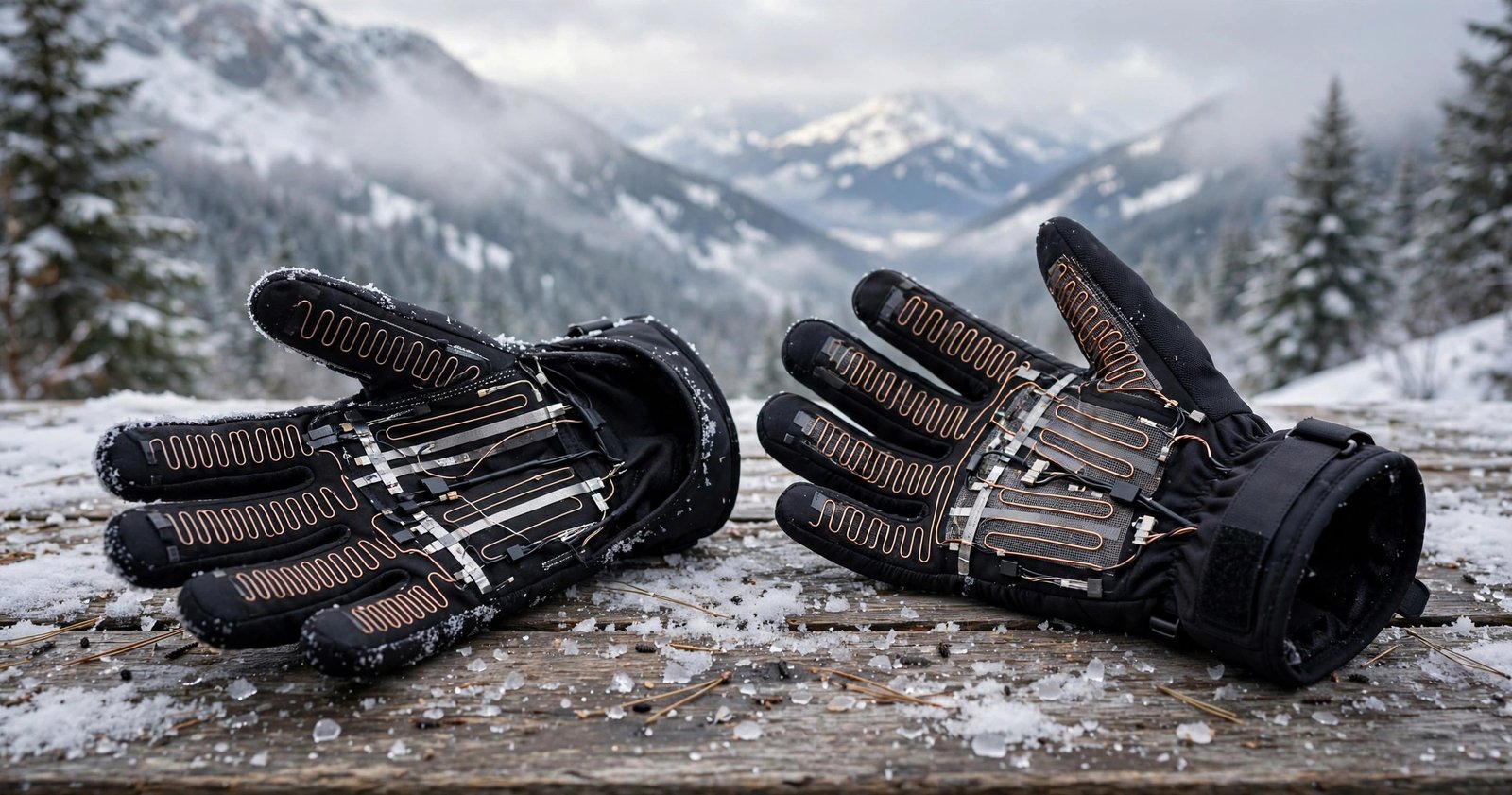
Cold hands end outdoor days early. Not dramatically — just a slow retreat from the ski lift, the job site, or the dog walk, because your fingers have gone numb and nothing warms them back up. The best heated gloves 2026 has to offer fix that specific problem: a battery and a heating element do what insulation alone cannot, pushing real warmth to your fingertips on demand.
But the category is full of traps. Some gloves heat only the back of your hand and leave your fingers freezing. Some quote a battery life measured on the lowest setting in a warm room. And some cheap pairs have genuinely hurt people — more on that below. This guide compares six picks by actual use, with the battery, runtime, and heat settings for each.
What Actually Matters in Heated Gloves
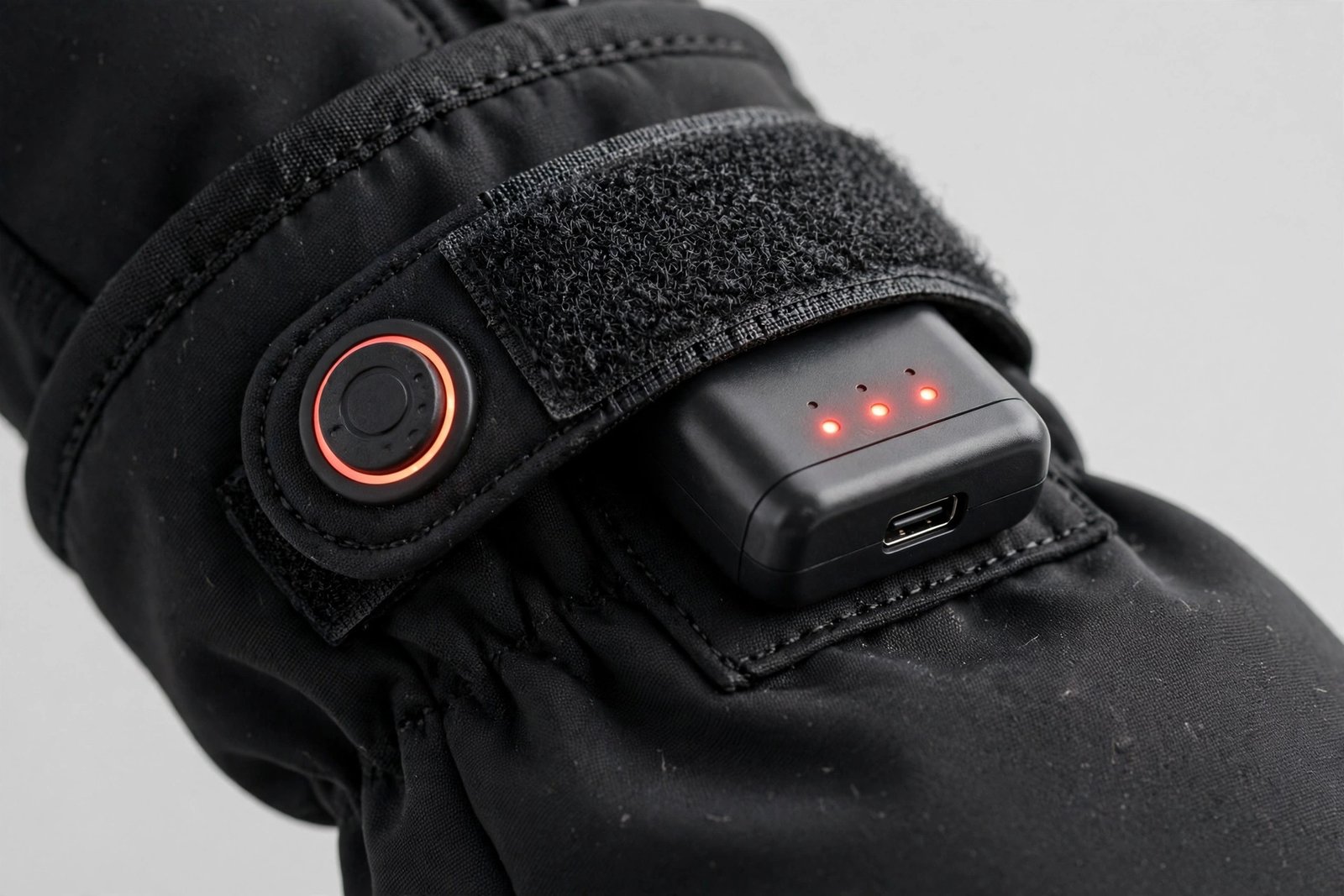
Ignore the marketing and check four things. First, the battery: most full-size heated gloves run on two 7.4V rechargeable packs, usually 2,000–3,000 mAh, one per glove. Bigger capacity means longer heat, and 7.4V systems push more warmth than the cheaper 3.7V ones. Second, heat coverage: the element should reach your fingertips, not just the back of your hand. Fingertips are where the cold bites first, and gloves that skip them are the most common complaint in owner reviews.
Third, the heat settings. Almost every decent pair has three levels, roughly 104°F on low, 122°F on medium, and 149°F on high. Low is for mild days and long outings; high is for standing still in serious cold, and it drains the battery in two to three hours. Fourth, the glove itself: waterproofing, insulation, and fit matter as much as the heater. A heated glove with no insulation goes cold the moment the battery dies.
One more thing before you buy: runtime claims are best-case numbers. A glove rated for 8 hours on low will give you less than that in real wind, on a cold day, with an older battery. Plan around the lowest claim you can find. That is the whole test for the best heated gloves 2026 has to offer: battery, coverage, settings, and a glove that still works with the heat off.
The Best Heated Gloves 2026: 6 Picks at a Glance
Every figure in this best heated gloves 2026 comparison is the maker’s own claim, checked against product pages and retailer listings in November 2026. Prices change often — check the listing before you buy. If you are buying a pair as a gift, our guide to the best gifts for travelers has more cold-weather gift ideas.
| Pick | Battery | Runtime on low | Heat settings | Best for |
|---|---|---|---|---|
| SAVIOR HEAT EH8 Pro — $309.99 | 7.4V, 3,000 mAh | Not published | 3 levels | Extreme cold ski days |
| SAVIOR HEAT Leather Heated Gloves — about $102–$117 | 7.4V, 2,200 mAh | Up to 8 hours | 3 levels, 104–149°F | Outdoor work |
| ORORO Calgary — $99.99 | 7.4V, 2,000 mAh | Up to 8 hours | 3 levels | Everyday winter use |
| ORORO Glasgow Liners — $124.99 | 7.4V, 2,200 mAh | Up to 8.5 hours | 3 levels, to 150°F | Layering and mild cold |
| Snow Deer Heated Mittens — about $88.99 | 7.4V, 2,200 mAh | Up to 6.5 hours | 3 levels, 100–150°F | Raynaud’s and poor circulation |
| TIDEWE Heated Hunting Gloves — check listing | 7.4V, 3,000 mAh (22.2 Wh) | 6.5–8.5 hours | 3 levels, 104–149°F | Hunting and long cold waits |
The 6 Picks in Detail
1. Best for Ski Days: SAVIOR HEAT EH8 Pro Extreme Cold
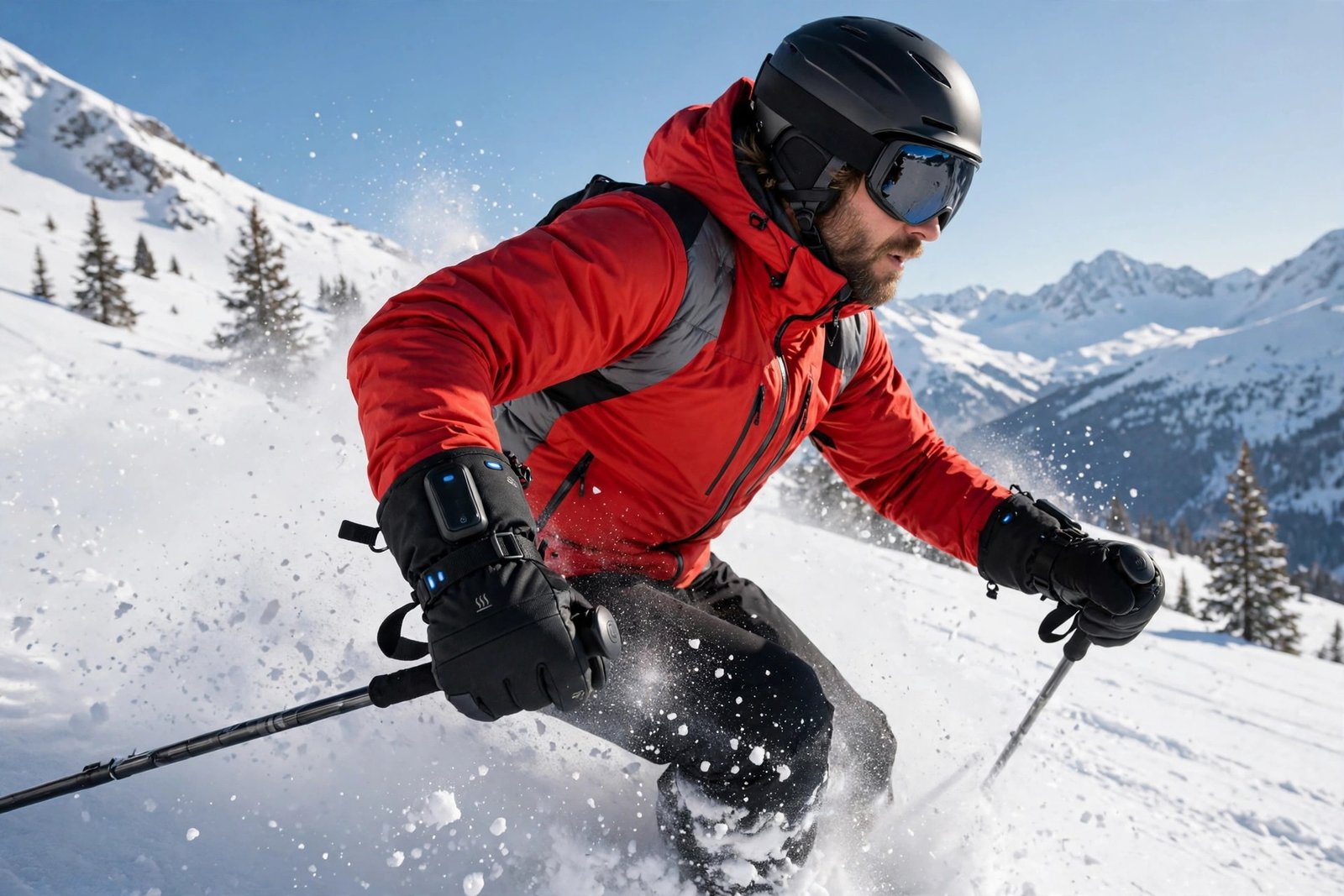
The EH8 Pro is the heavyweight of this list, and it is priced like one at $309.99. You get a leather shell, 3M aerogel insulation, a waterproof build, and a 3,000 mAh rechargeable battery — the largest capacity in this roundup. SAVIOR HEAT pitches it for extreme cold and lists an operating reference of -5°F, though no test method is published for that figure.
The honest caveat: SAVIOR HEAT does not publish runtime by heat setting for this model. What you are paying for is the build — leather, serious insulation, and a big battery. The SAVIOR HEAT EH8 Pro heated ski gloves also come in a mitten version, which is warmer than any glove by design.
2. Best for Work: SAVIOR HEAT Heated Leather Gloves
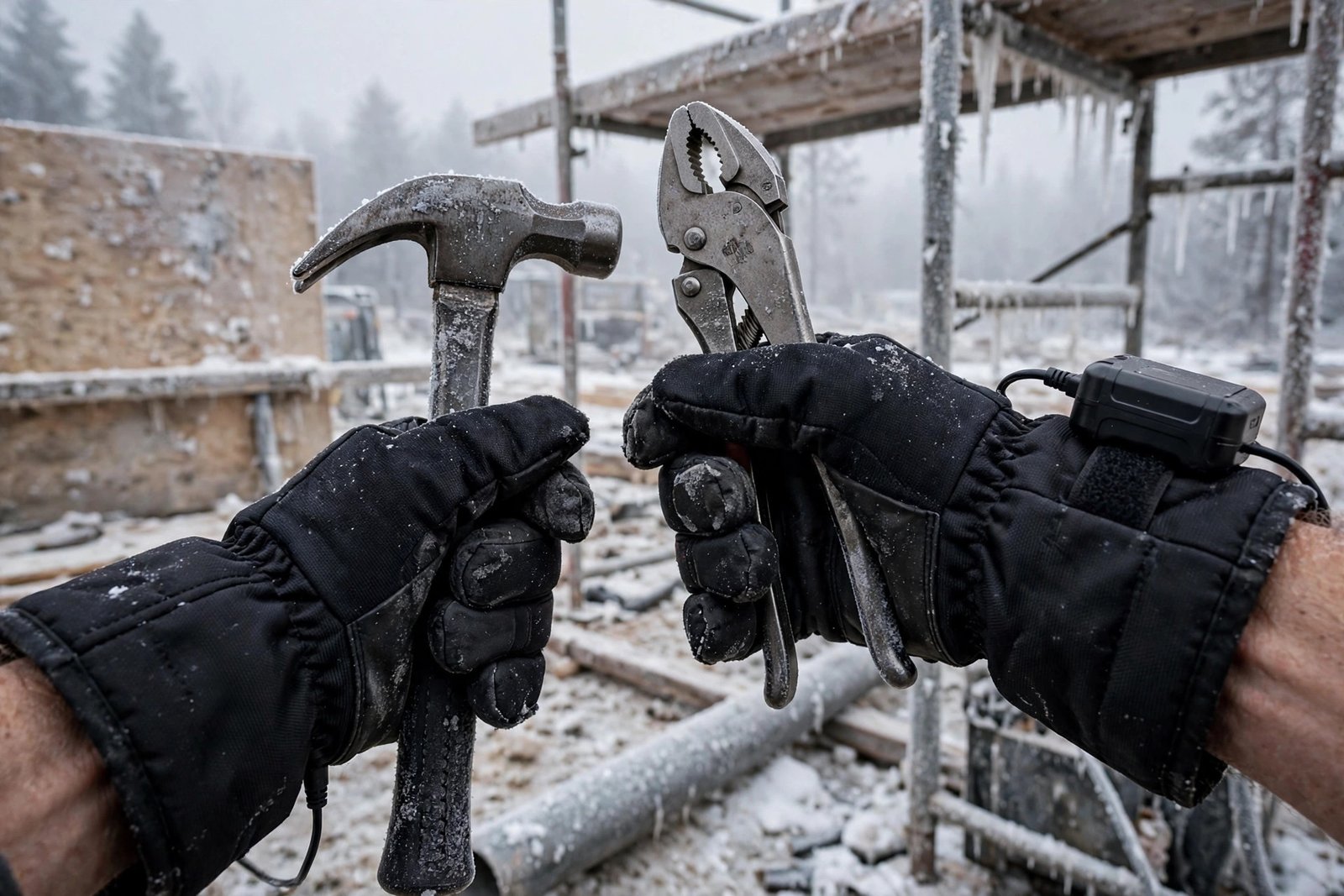
This is the pair to start with for outdoor work. Two 7.4V 2,200 mAh batteries, three heat settings from 104°F to 149°F, carbon fiber elements that wrap the fingertips and the back of the hand, and up to 8 hours of warmth on low. The leather shell and waterproof, windproof build hold up to real job-site abuse.
Independent roundups keep landing on the same verdict: this is the best-documented work glove in the category, with stated temperatures for every setting and a one-year warranty. It typically sells for about $102–$117, which makes it the value pick as well as the work pick. The trade-off is dexterity — the insulation makes the fingers thicker than a plain work glove.
3. Best for Everyday Use: ORORO Calgary
ORORO is the best-known name in heated apparel, and the Calgary is its most straightforward everyday glove: $99.99, a 7.4V 2,000 mAh battery, three heat settings, 3M Thinsulate insulation, and a water-resistant shell with touchscreen fingertips. It is the glove for commuting, dog walking, and errands — the unglamorous cold that fills most of winter.
Field testing of ORORO’s heated gloves found the low setting genuinely lasts a full day out — around eight hours — and the gloves stay warm even with the heat off, thanks to the insulation. That matters more than it sounds: the battery will die eventually, and a glove that turns into a cold shell when it does is a bad glove. ORORO’s warranty support is rated the best in the category, which counts when a battery fails in year two. If you want one pair that does everything ordinary, start here. If you want one system that covers liners and shell together, ORORO’s Twin Cities 3-in-1 heated gloves pair heated liners with a water-resistant outer shell for $169.99.
4. Best Liners: ORORO Glasgow Heated Liner Gloves
Not every cold day needs a full ski glove. The Glasgow liners are thin, stretchy heated liners you wear alone on mild days or under your own gloves when it gets serious. They run on 7.4V 2,200 mAh batteries, heat the back of the hand and fingers on three settings up to 150°F, and ORORO claims 3 hours on high and 8.5 on low.
At $124.99 they cost more than some full gloves, which feels wrong until you use them. Liners are the most versatile heated product you can own: they turn any glove you already love into a heated glove, they work for driving and photography where bulky gloves fail, and they pack down to nothing. The catch is warmth — on their own they are not enough for deep cold or wind.
5. Best for Raynaud’s and Poor Circulation: Snow Deer Heated Mittens
If your hands go white and numb in mild cold, you need heat that reaches your fingertips — and mittens deliver more of it than gloves, because your fingers share warmth. Snow Deer builds its heated mittens for exactly this, with far-infrared fiber elements covering the whole back of the hand and fingers to the tips, and three settings from about 100°F to 150°F.
The 7.4V 2,200 mAh batteries last up to 6.5 hours on low, 3 to 3.5 hours on medium, and about 2 hours on high. The mittens are marketed for Raynaud’s, arthritis, and poor circulation, and they carry CE and RoHS safety certifications with a one-year warranty. They typically sell for about $88.99. One honest note: if you have diabetes, nerve damage, or poor circulation, ask your doctor before using any heated product — reduced feeling can mean a burn before you notice the heat.
6. Best for Hunting: TIDEWE Heated Hunting Gloves
Hunting is the hardest test for a heated glove: hours of sitting still in the coldest part of the day. TIDEWE is the only maker in this roundup that publishes a runtime for every setting — 140–149°F for 2.5 to 3.5 hours on high, 122–131°F for 4 to 5 hours on medium, and 104–113°F for 6.5 to 8.5 hours on low — from a 7.4V 3,000 mAh pack, with two battery packs included.
The build matches the brief: a seven-layer waterproof and windproof design with 3M cotton insulation, a Veil Camo pattern, and a battery in a protective ABS case with over-voltage, over-current, and over-temperature protection. The gloves are bulky and only come in camo — a poor choice for the commute, but the best-documented option for a long sit in a deer stand or a day on the ice.
Safety First: The Recall You Should Know About
Heated gloves put a lithium-ion battery and a heating element against your skin, so safety is not a footnote. In July 2025, the U.S. Consumer Product Safety Commission warned consumers to immediately stop using Velazzio Thermo1 battery heated gloves, after 137 reported overheating incidents including 119 burn injuries. About 58,700 pairs had been sold on Amazon for between $9 and $140, and the manufacturer did not respond to the CPSC’s request for a remedy. The CPSC warning on Velazzio heated gloves is still live: if you own a pair, remove the battery and dispose of it following local hazardous waste rules.
The lesson is not that heated gloves are dangerous — it is that no-name bargains are. Buy from a brand with a real warranty and stated safety certifications, use only the charger and batteries the brand specifies, and stop using any glove that smells hot, swells, sparks, or overheats. Never charge a damaged battery, and never leave batteries charging unattended overnight.
How to Choose the Right Pair for You
Start with your coldest use, not your average one. When you compare the best heated gloves 2026 models side by side, remember the glove has to work as a glove before the battery matters. If you ski, you need waterproofing and insulation first, heat second — the Outdoor Research Prevail heated mittens at REI show what the premium end looks like: a GORE-TEX insert, heavy insulation, and a $400 list price. Most people do not need that.
Fit is the next thing people get wrong. Heated gloves run big — owner reviews repeatedly say even the small sizes feel roomy — so measure your palm circumference and check the maker’s size chart instead of ordering your usual size. A glove that is too loose loses heat around the fingers; a glove that is too tight squeezes the battery pocket and cuts circulation.
Budget matters too. If the picks above are more than you want to spend, WASOTO’s 7.4V 3,000 mAh gloves are the recurring budget pick in independent roundups, with up to 8 hours on low and a lower price than the big brands. What you give up is mostly warranty support and polish, not heat.
Finally, think about the rest of your winter kit. Heated gloves solve cold hands, but cold feet end just as many days. Our guide to the best winter boots for 2026 covers the same ground for your feet. And if you drive to the mountain, read our checklist for how to prepare your car for winter before the first storm.
Care, Charging, and Making Them Last
Heated gloves are electronics wrapped in fabric, so treat them that way. Remove the batteries before washing, and hand wash only — machine washing kills heating elements. Air dry, never tumble dry, and never iron. Charge fully before first use — about three hours on most models — and store batteries at half charge over the summer.
Buy a spare set of batteries if you spend full days outside — a spare pair in your pocket doubles your day for a fraction of the cost of a second pair of gloves. And check the warranty before you buy: one year is standard, and the brands that answer support emails are worth more than the brands that do not.
One last practical note: your house needs the same kind of preparation your hands do. Our guide on how to keep pipes from freezing covers the cheap fixes that prevent the most expensive winter damage there is.
Frequently Asked Questions
Are heated gloves worth it?
If your hands go numb outdoors despite good insulation, yes — heat succeeds where thicker fabric fails. They are most worth it for skiing, hunting, outdoor work, and anyone with poor circulation. If your hands only get mildly cold on a short commute, a good insulated glove is cheaper.
How long do heated gloves last on one charge?
Most pairs last 6.5 to 8.5 hours on low, 3 to 5 hours on medium, and 2 to 3.5 hours on high, depending on the battery. Those are the makers’ claims in mild conditions — real cold shortens them. Carry a spare battery if you need a full day on medium or high.
What is the best heated gloves 2026 pick for skiing?
The SAVIOR HEAT EH8 Pro is the toughest ski pick here, with a 3,000 mAh battery, leather shell, and serious insulation. If you want a mainstream outdoor-brand option with a GORE-TEX insert, the Outdoor Research Prevail is the premium alternative at around $400. For most skiers, though, the SAVIOR HEAT leather gloves at about $102–$117 give you the best balance of heat, waterproofing, and price.
Can you wash heated gloves?
Yes, but only by hand, with the batteries removed. Never machine wash or tumble dry heated gloves — the agitation and heat damage the wiring. Air dry completely before putting the batteries back in.
Are heated gloves safe for people with Raynaud’s?
They are widely used by people with Raynaud’s — the Snow Deer mittens in this guide are marketed for it. But if you have reduced feeling in your hands, talk to your doctor first, start on the lowest setting, and check your skin regularly.
Do heated gloves work without the battery?
The good ones do, as ordinary insulated gloves. If a glove goes cold and useless the moment the battery dies, it is a bad glove. The ORORO and SAVIOR HEAT picks here all stay warm with the heat off.
Conclusion
The best heated gloves 2026 has to offer are not the hottest or the most expensive — they are the ones that match your actual cold. Skiers need waterproofing and a big battery. Workers need durability and documented runtimes. People with Raynaud’s need heat that reaches the fingertips. Hunters need published numbers for every setting.
Start with the use, check the battery and the heat coverage, buy from a brand with a real warranty, and skip the no-name bargains. Your hands will thank you around the third hour on the mountain — which is exactly when the cheap gloves give up.



