
Government Shutdown House Vote November 2026: House Votes Today on the Senate Deal
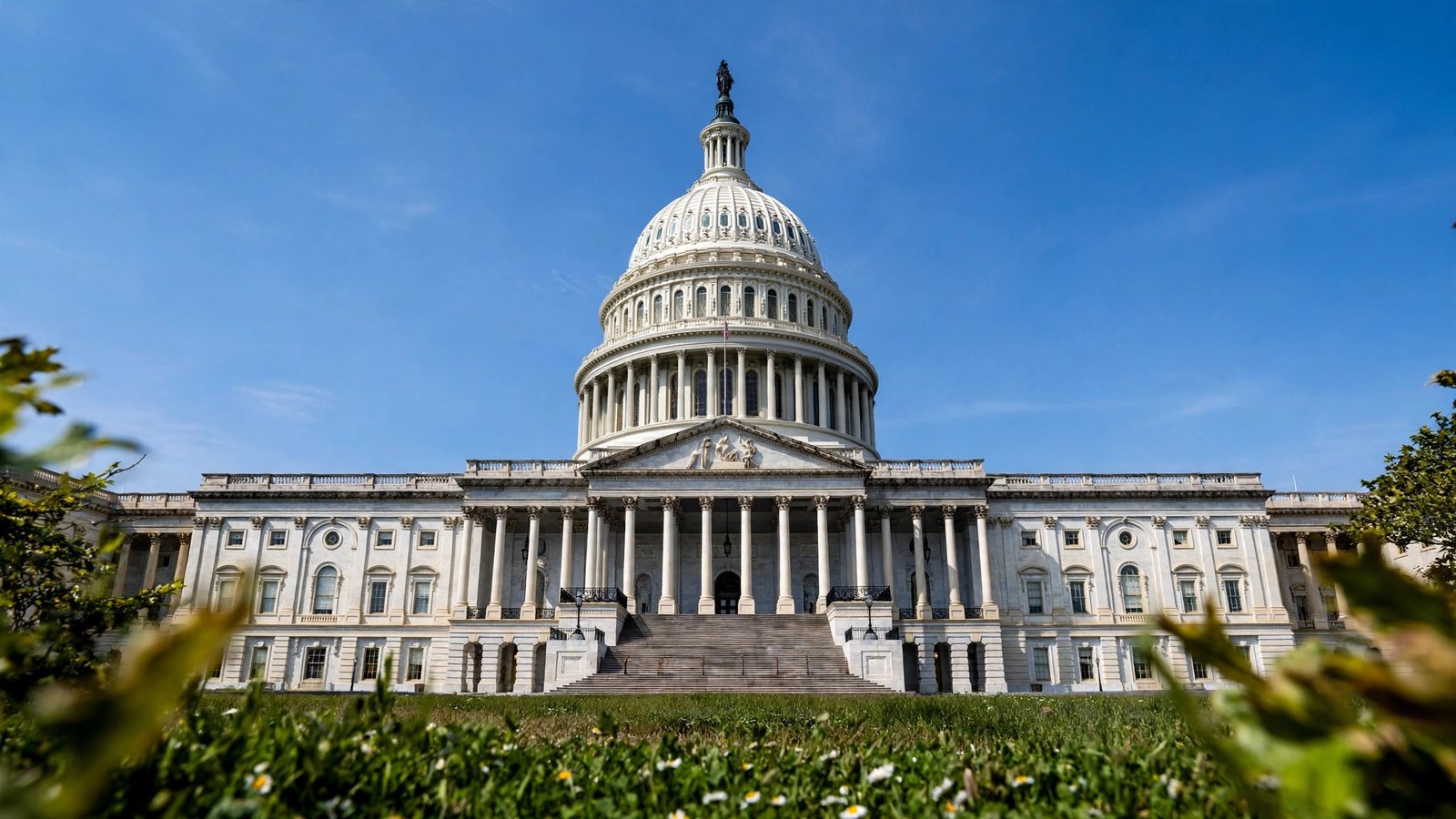
Today, Wednesday, November 11, 2026, the House of Representatives is expected to vote on the funding package that would end the longest government shutdown in American history. The government shutdown House vote November 2026 comes two nights after the Senate passed the deal 60–40, and it is the moment the 41-day standoff has been building toward: if the House passes the bill, it goes to President Donald Trump to sign, and the shutdown would end. If it does not, the shutdown continues into a sixth week.
This post is a preview, written before the vote takes place. As of this morning, the House has not voted, the bill has not passed, and the President has not signed anything. What follows is what is in the deal, what is expected to happen today, and what comes next in each scenario — based on reporting from the Senate vote on Monday night and the House’s return to Washington today.
Government Shutdown House Vote November 2026: What Is on the Table
The bill the House is expected to vote on today is the funding package the Senate passed late on Monday night, November 9, by 60 votes to 40. It is the product of a weekend of negotiations after weeks of deadlock, and it passed with eight senators crossing party lines: Jeanne Shaheen, Maggie Hassan, Tim Kaine, Jacky Rosen, Catherine Cortez Masto, John Fetterman, and Minority Whip Dick Durbin — seven Democrats — plus independent Angus King, who caucuses with the Democrats, joining 52 Republicans.
The package would fund most of the government through January 30, 2027, and it bundles in three full-year spending bills — covering agriculture, military construction and veterans affairs, and the legislative branch — funded through September 30, 2027. It also restores funding for SNAP food benefits and veterans programmes, and it reverses the shutdown-era firings of furloughed federal workers, restoring their jobs. For the hundreds of thousands of federal workers who have gone without pay since October 1, that last provision is the one that matters most.
What the package does not do is extend the Affordable Care Act subsidies that were at the centre of the dispute. Instead, the deal carries a promise: a Senate vote on extending the subsidies by the second week of December. That promise is what brought the eight senators on board, and it is also what the deal’s critics point to — a vote is not a guarantee, and the measure faces long odds in the Republican-controlled Senate, let alone the House.
The Senate Vote That Broke the Deadlock
The shutdown began on October 1, 2026, and by Monday night it had lasted 41 days — already the longest federal government shutdown in US history, passing the previous 35-day record set in 2018–19. For weeks, the Senate had been unable to reach the 60 votes needed to advance a funding bill, with Democrats insisting on an extension of the ACA subsidies and Republicans refusing to negotiate until the government reopened.
The breakthrough came over the weekend, when Senate Majority Leader John Thune, Senate Appropriations Chair Susan Collins, and White House negotiators brokered a compromise that dropped the demand for an immediate subsidy extension in exchange for the promised December vote. The procedural vote on Sunday night cleared the way, and the final 60–40 vote followed late on Monday night. News One USA’s report on the Senate vote describes a deal that passed with the eight cross-party votes after six weeks of stalemate, with the House vote expected on Wednesday evening.
The political cost of the deadlock is already visible. Hundreds of thousands of federal workers have gone unpaid for over a month. Food assistance has been delayed for millions of families. Air travel has been disrupted across the country as airport staffing shortages — driven by unpaid air traffic controllers and TSA staff — forced flight cancellations. Those disruptions are part of why the House vote is happening today rather than later in the week.
The House Returns After 54 Days Away
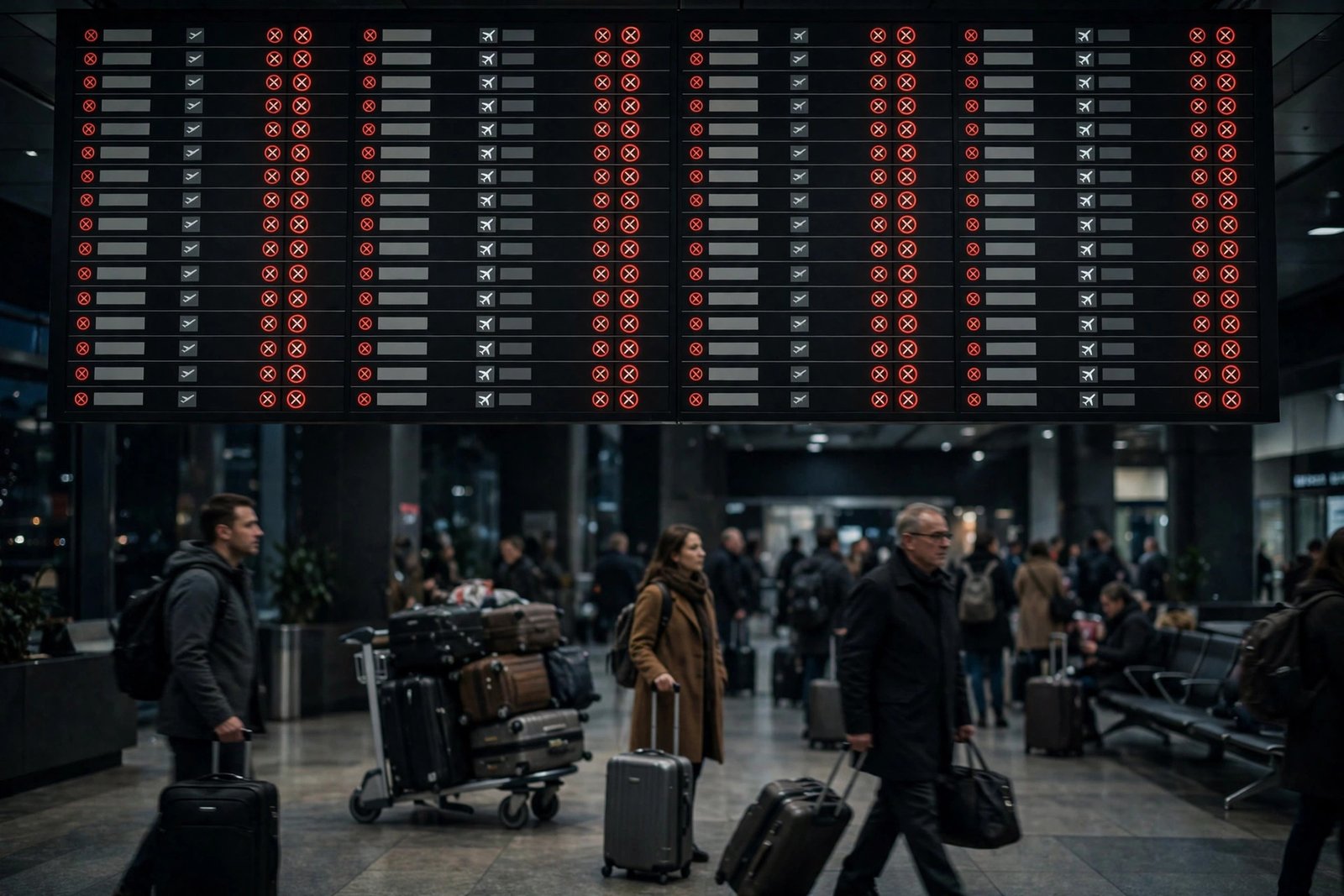
The House of Representatives has not voted on legislation since September 19, when it narrowly approved a measure that would have funded the government through November 21. It has been out of session for 54 days — the longest absence in recent memory — and today is its first day back. Speaker Mike Johnson told lawmakers to return to Washington immediately, giving them 36 hours’ notice and warning them to travel early because flights have been cancelled or delayed nationwide due to the shutdown’s effect on airport staffing.
The bill cleared its first hurdle overnight. The House Rules Committee advanced the measure after a hearing that lasted more than six hours, ending shortly after 1 a.m. on Wednesday, with all Republicans supporting it and all Democrats opposed. The Hourly News’ account of the 60-40 Senate vote notes that the Rules Committee step is what allows the full House to take up the bill today, and that Speaker Johnson has said he expects it to pass quickly.
House Republican leaders announced on Tuesday, via the New York Post, that the vote would take place as early as 4:00 p.m. on Wednesday. The schedule is expected to start with a procedural “rule vote” — the House voting to allow debate on the bill — followed by a final vote on the package itself later in the evening. The bill is expected to pass with nearly all Republicans on board, though the margin will be watched closely: the House Republican majority is narrow, and the vote will show how much of the party is willing to accept a deal that leaves the ACA subsidies unresolved.
What Happens If the House Passes the Bill
If the House passes the funding package this evening, the bill goes to President Trump to sign. The President is expected to sign it promptly, and government operations would then begin to reopen — a process that takes hours for some agencies and days for others. Federal workers would return to their posts, back pay would be processed, and the flight cancellations driven by staffing shortages would begin to ease.
The reopening would not undo the damage of the 41 days. Federal workers have missed multiple pay periods, and back pay takes time to arrive. SNAP recipients whose benefits were delayed will need the funding to flow through state systems before payments land. And the three full-year spending bills in the package only cover part of the government — the rest is funded through January 30, 2027, which means the same fight could return in the new year if Congress cannot agree on full-year funding by then.
There is also the December deadline. The promised Senate vote on the ACA subsidies, due by the second week of December, will be the next flashpoint. If that vote fails, the subsidies expire and millions of people face higher health insurance premiums — the same issue that caused the shutdown in the first place. Today’s vote, if it passes, ends the shutdown. It does not settle the underlying argument.
What Happens If the Vote Fails or Is Delayed
If the House does not pass the bill today — because of defections, a failed rule vote, or a delay — the shutdown continues, and the consequences get worse. Every additional day adds to the backlog of unpaid work, the delayed food assistance, and the flight disruptions. The House has been out of session for 54 days; a failed vote would likely mean days more of negotiation while the government stays closed.
The most likely source of trouble is the bill’s treatment of the ACA subsidies. Democrats who opposed the deal argue that accepting a promised vote in exchange for reopening the government gives away their leverage. If enough House Democrats vote against it, the bill would need near-unanimous Republican support to pass — and the Republican conference has its own divisions over spending levels. The Rules Committee vote, with all Democrats opposed, is a warning that the final vote may be closer than the Senate’s 60–40 margin suggests.
For the latest background on how the shutdown developed, see our earlier coverage: the government shutdown update from November 2026 and our report on the Senate’s passage of the funding deal. Both explain the steps that led to today’s vote, and neither should be read as saying the shutdown has already ended — it has not, until the House votes and the President signs.
What to Watch This Evening
The first thing to watch in the government shutdown House vote November 2026 is the timing. The vote is expected as early as 4:00 p.m. Eastern, but the rule vote comes first, and the final vote may not happen until the evening. If the schedule slips, it does not necessarily mean trouble — House votes routinely run late — but a long delay would be a signal worth noting.
The second is the margin. A comfortable passage with bipartisan support would suggest the deal has genuine buy-in. A narrow, party-line vote would suggest the opposite, and would raise questions about how smoothly the December ACA vote will go.
The third is what the Speaker and the President say afterwards. Speaker Johnson has said he expects the bill to pass quickly. The President’s statement, when he signs, will set the tone for the December fight. And the fourth is the practical side: how quickly federal agencies announce reopening plans, and when the first back-pay dates are confirmed for furloughed workers.
The economic backdrop matters too. The shutdown has already distorted the data the government normally publishes — the US jobs report for November 2026 is one of the releases affected by the funding lapse — and economists will be watching how quickly normal reporting resumes once the government reopens.

Frequently Asked Questions
Is the government shutdown over?
Not yet. As of this morning, Wednesday, November 11, the shutdown is still in effect. The Senate passed a funding package on Monday night, but the bill still needs to pass the House — expected today — and be signed by President Trump before the government reopens.
When is the House vote on the shutdown deal?
The government shutdown House vote November 2026 is expected on Wednesday, November 11, 2026, with the vote set for as early as 4:00 p.m. Eastern, according to House Republican leaders via the New York Post. A procedural rule vote comes first, followed by a final vote on the package later in the evening.
What did the Senate pass on Monday night?
The Senate passed a funding package 60–40 late on Monday night, November 9. It funds most of the government through January 30, 2027, includes three full-year spending bills through September 30, 2027, restores SNAP benefits and veterans programmes, and reverses the shutdown-era firings of furloughed federal workers. It does not extend the ACA subsidies.
Why did the shutdown last 41 days?
The shutdown began on October 1, 2026, when Congress failed to pass funding legislation. Democrats insisted on extending the Affordable Care Act subsidies; Republicans refused to negotiate on the subsidies until the government reopened. The standoff lasted until a compromise — a promised Senate vote on the subsidies by the second week of December — brought eight senators across party lines.
What happens after the House votes?
If the House passes the bill, it goes to President Trump to sign. Once signed, federal agencies begin reopening, workers return, and back pay is processed. If the House does not pass it, the shutdown continues and negotiations resume — with flight disruptions, delayed food aid, and unpaid federal workers all getting worse in the meantime.
Will the ACA subsidies be extended?
Not by this bill. The package promises a Senate vote on extending the subsidies by the second week of December, but it does not extend them. That vote is the next flashpoint, and the measure faces long odds in the Republican-controlled Senate.
Conclusion
The government shutdown House vote November 2026 is expected today, and if it goes as House leaders expect, the longest shutdown in American history would end tonight — 41 days after it began. The Senate has done its part, the House Rules Committee has advanced the bill, and the votes are scheduled. But until the House actually votes and the President actually signs, the shutdown is still running, federal workers are still unpaid, and the deal is still a promise rather than a law.
Watch this evening for the rule vote, the final margin, and the first reopening announcements. And watch December: the promised vote on the ACA subsidies is where the argument that caused this shutdown will be fought again. Today’s vote would end the shutdown. It would not end the disagreement.



