
How to Protect Your Home While Traveling for the Holidays
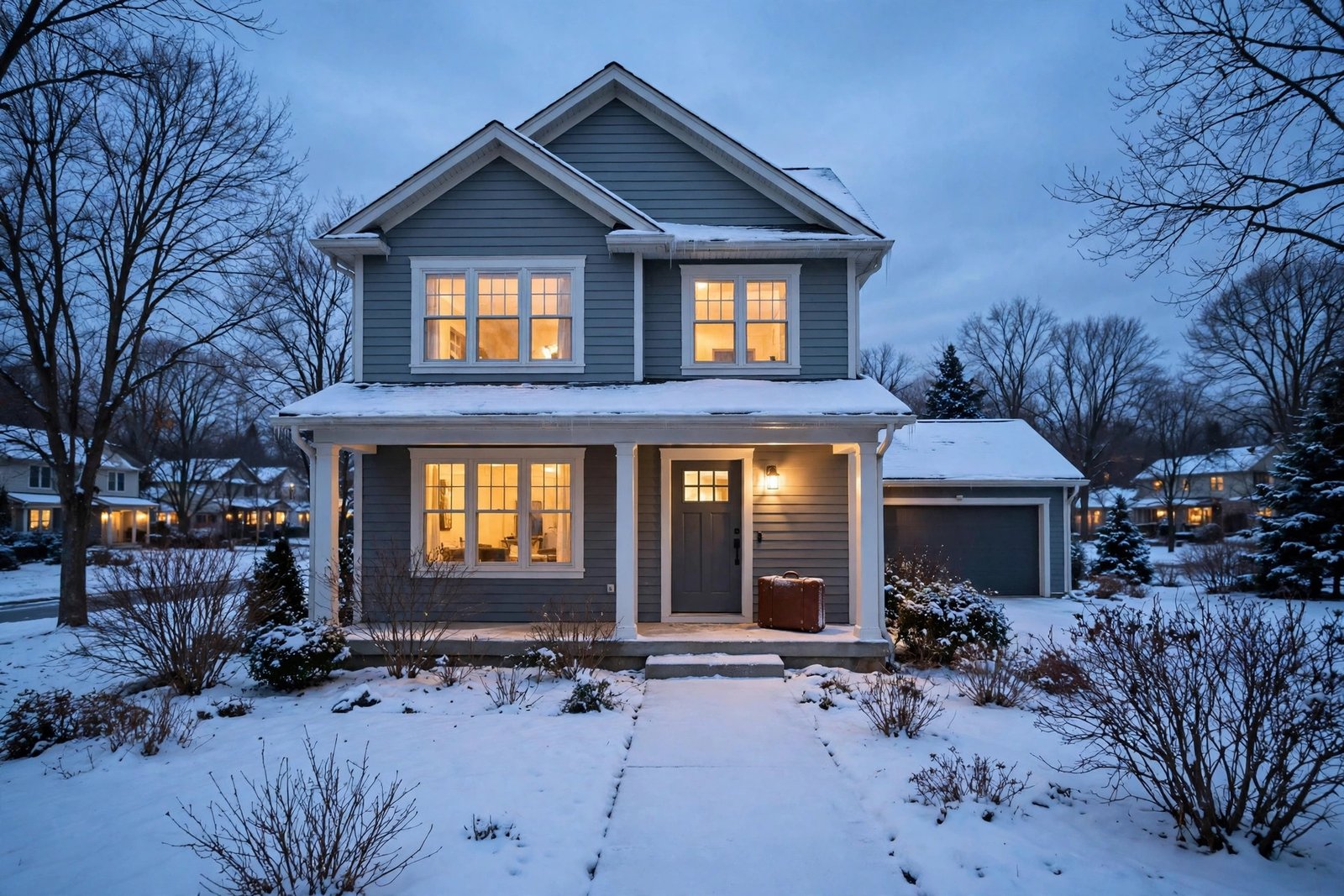
The bags are packed, the car is loaded, and the house is about to sit empty for a week. That is the moment to think about how to protect your home while traveling for the holidays — before you lock the door, not after you are three states away wondering whether you remembered the back window.
An empty house over the holidays faces two threats. The first is people: a dark house with a stuffed mailbox and no cars in the driveway is easy to spot, and the weeks around Christmas are prime time for break-ins and porch theft. The second is weather: a cold snap while nobody is home can turn a small leak into a burst pipe and a flooded living room.
The good news is that most of the protection comes from simple, cheap steps done in the right order. You need a plan, a neighbor, and about an hour the day before you leave.
This guide covers locks and lights, mail and packages, heat and pipes, insurance, and the social media habit that quietly announces your absence. Work through it the day before departure and enjoy the trip instead of worrying about home.
Why an Empty House Is a Target in December
Burglars look for the same signals every homeowner misses: mail piling up, a porch light that never changes, bins left at the curb for days, curtains drawn the same way morning and night. A house that looks frozen in time is a house nobody is watching.
The holidays make it worse: whole streets empty out at once, and delivery drivers leave a steady stream of packages on porches. A burglar does not need to guess which house is empty when half the street is dark and the mailboxes are full.
Winter adds its own risk: pipes freeze fastest in an empty house because nobody notices the warning signs. The American Red Cross guide to preventing frozen pipes puts it plainly — if you are going away in cold weather, leave the heat on, set to no lower than 55°F.
None of this means staying home. It means giving the house a few minutes of attention before you go — the checklist below is built for one pass the evening before you leave.
How to Protect Your Home While Traveling for the Holidays: The Complete Checklist
Print it or copy it into your phone. Every item takes minutes, and together they cover the four things that go wrong: break-ins, frozen pipes, water damage, and insurance surprises.
| Task | When to do it | Why it matters |
|---|---|---|
| Lock every door and window, including garage and basement windows | Night before departure | Most break-ins use an unlocked entry point, not a forced one |
| Put interior lights on timers for a few hours each evening | Night before departure | A house with changing lights looks occupied |
| Set the thermostat to at least 55°F and leave the heat on | Before you leave | Prevents frozen pipes; some policies exclude damage if heat was off |
| Place a USPS Hold Mail request (3 to 30 days) | At least 1 day ahead | Stops mail piling up, the clearest sign of an empty house |
| Ask a neighbor to collect packages and bring in bins | A few days ahead | Removes visible clues and stops parcels being stolen |
| Shut off the main water supply for longer trips | Before you leave | A small leak can run for days unnoticed |
| Unplug TVs, computers, and appliances you do not need | Night before departure | Cuts fire risk from power surges |
| Tell your insurer about a long trip | A few days ahead | Some policies limit theft or vandalism cover after long absences |
| Ask police about a vacation house check | A few days ahead | Many departments add your address to extra patrols |
| Stay silent about the trip on social media | Whole trip | A public post announces the house is empty |
Work the list top to bottom. The most common failure is a step you meant to do and forgot in the rush out the door.
Make the House Look Lived In
One of the simplest answers to how to protect your home while traveling for the holidays is also the cheapest: make the house look like someone is home. Burglars want an easy target, and a house that changes through the day is not one.
Light timers are the workhorse here: two or three lamps on timers in different rooms, staggered. A single porch light burning all day and night works against you — it signals nobody is home to switch it off. Motion-sensor lights outside are better still, because they react when someone approaches.
Keep curtains and blinds as you normally leave them. Closing every blind tight is a tell — the goal is normal, not fortress.
A car in the driveway helps more than most gadgets. If a neighbor can park there for a few days, ask them — it breaks up the pattern of an untouched driveway.
Ask someone to bring the bins in after collection day and clear parcels from the porch. A bin at the curb three days after collection is a calendar for anyone watching the street.
Locks, Cameras, and the Spare Key Problem
Walk the house once and check every entry point: front door, back door, side door, garage door, basement windows, and the sliding door. Many sliding doors can be lifted off their tracks, so lay a wooden dowel in the track to stop it sliding if the latch fails. The Texas Office of Public Insurance Counsel holiday checklist recommends exactly that, along with locking every window.

If you have a security camera or video doorbell, check it before you leave: charged, motion alerts reaching your phone, and a feed you can view from the road. A camera with a dead battery is decoration. Our guide to the best home security cameras without a subscription can help if you are choosing a system — look for local storage and phone alerts.
Do not hide a spare key under the mat, in a flowerpot, or above the door frame — burglars check those spots first, and it is a basic part of how to protect your home while traveling for the holidays. Give the spare to the neighbor watching the house, or put it in a lockbox with a code you can share by phone.
Close the garage door fully and lock the interior door between the garage and the house.
Keep the Heat On and the Pipes Safe
This is the step people get wrong most often, because it feels wasteful. Turning the heat off to save money is a false economy: one burst pipe can cause thousands of dollars in water damage in a single cold night.
Set the thermostat to at least 55°F and leave it there — the floor recommended by the American Red Cross and the Texas Office of Public Insurance Counsel. It matters for insurance too: some policies will not cover frozen-pipe damage if the heat was left too low or switched off. Keep the temperature steady day and night.
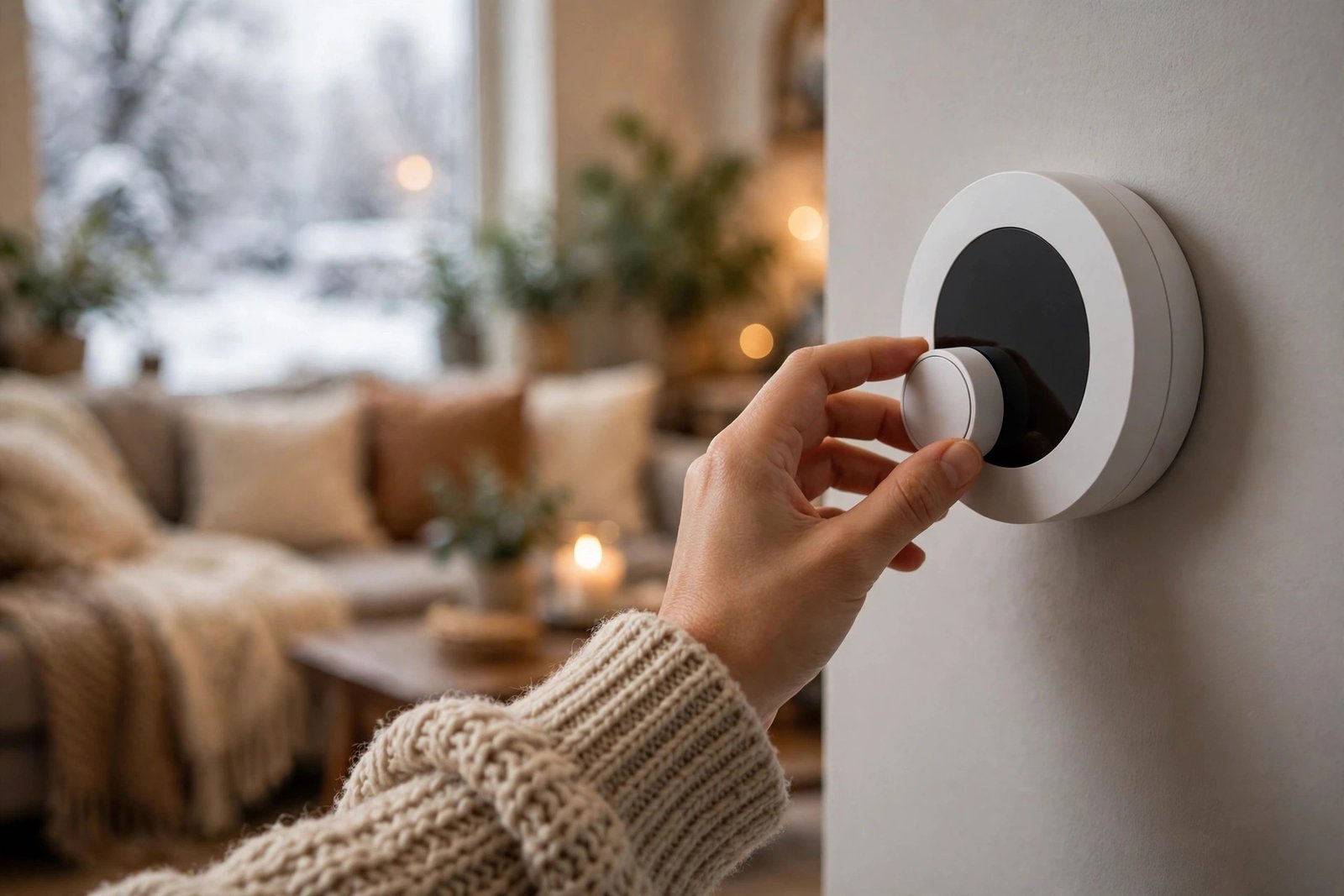
If a cold snap is forecast, open cabinet doors under sinks on outside walls so warm air reaches the pipes, and let a faucet drip at a trickle — moving water freezes far more slowly than still water. For more, read our post on how to keep pipes from freezing.
For trips longer than a few days, consider shutting off the main water supply and draining the pipes — a pipe cannot burst if there is no water in it. Find the shutoff valve now. Note that shutting off the water may disable a fire sprinkler system, so check first, and ask a plumber if unsure.
For a fuller winter prep routine, our guide on how to winterize your home covers insulation and draft sealing. And the tips for how to save money on heating in winter show how to cut costs without ever switching the heat off.
Stop the Mail and Deliveries From Giving You Away
A stuffed mailbox is the oldest giveaway in the book, and the easiest to fix. The USPS Hold Mail service is free and holds all mail at your local post office for 3 to 30 days. Request it online up to 30 days in advance; when you return, pick the mail up or have it delivered in one bundle.
Do this even for a short trip — three days of mail is enough to signal an empty house. Remember the hold covers everyone at the address, so tell the rest of the household first.

Packages need a separate plan: a mail hold does not stop a courier leaving a parcel on the porch. Pause deliveries or redirect them to a locker, a store pickup point, or the neighbor with your spare key. December is the worst month for porch theft — a box sitting outside for two days is an invitation.
Ask your neighbor to bring in anything that arrives and to put your bins out and back on collection day. Small, ordinary movement is the best camouflage there is.
Call Your Insurer Before a Long Trip
Most people never think to call their insurer before a holiday trip, and for a weekend away there is usually no need. But knowing how to protect your home while traveling for the holidays includes knowing what your policy actually covers — and for a longer absence, the call is worth making.
Some policies have an absence clause. The Texas Office of Public Insurance Counsel notes that a policy may not cover theft or vandalism if the home has been empty for a long stretch — its example is 60 days — and frozen-pipe damage may be excluded if the heat was not maintained. Limits vary by policy and state: know your terms before something happens, not after.
Ask three questions: is there an absence limit after which theft or vandalism cover changes? What does the policy require on heating while the home is empty? Does a monitored alarm or a neighbor checking in affect anything? Write the answers down with the date and the name of the person you spoke to.
If you rent, the same logic applies: your landlord’s policy covers the building, not your belongings, so check what your renters policy says about an empty apartment.
Ask the Police About a Vacation House Check
Many police departments run a vacation watch program: tell them the dates you will be away, and officers add your address to their patrol route. Some also let you leave an emergency contact and a note about which cars should be in the driveway.
The service is usually free and takes a few minutes to request, online or at the station. Availability varies by town, and some departments pause it during the busiest holiday weeks — so ask early. The Texas Department of Insurance vacation checklist gives the same advice: set light timers, stop the mail, and ask local police about a vacation check.
Even without a formal program, telling a trusted neighbor your dates is the single most valuable step. Give them your phone number and permission to call you — or the police — if something looks off. A neighbor who knows you are away will notice a broken window; one who does not will assume you are home.
Stay Quiet About the Trip Online
This one is hard, because the point of a holiday trip is sharing it. But a public post saying you are away reaches far more people than you think — friends of friends, old contacts, anyone who can see a shared post.
Wait until you are home to post the photos. Share privately with family and close friends while you are away, and check your location settings: a photo with location data tells anyone who looks exactly where you are.
The Night-Before Walkthrough
Do the final walkthrough the night before you leave, not the morning of — mornings are rushed, and rushed people forget things. Walk through with the checklist: every lock, every timer, the thermostat, the water valve, the unplugged appliances.
Take the trash out — a full bin left by the door for a week will smell and attract pests. Run the dishwasher and washing machine while you are still home, never as you walk out the door.
Leave one light on a timer in the room most visible from the street, and a radio or television on a timer if you have one. A quiet house sounds empty; a house with voices sounds occupied.
Finally, photograph the thermostat, the locked front door, and the water valve before you leave — a small habit that completes how to protect your home while traveling for the holidays. It sounds silly until you are at the airport trying to remember whether you turned the water off.
Frequently Asked Questions
What temperature should I leave my house at when traveling in winter?
Leave the heat on at 55°F or higher — the minimum recommended by the American Red Cross and the Texas Office of Public Insurance Counsel. It protects pipes and may be a condition of your homeowners insurance cover.
Should I turn off the water before a holiday trip?
For a trip of a few days, yes — it removes the risk of a leak running unnoticed. For a weekend away it is optional, but know where the shutoff valve is. Check first whether shutting off the water affects a fire sprinkler system.
How do I stop mail from piling up while I am away?
Use the free USPS Hold Mail service, which holds mail at your local post office for 3 to 30 days — request it online at usps.com or in person. You can also ask a neighbor to collect anything that arrives and pause parcel deliveries.
Do police really check on empty houses during the holidays?
Many departments offer a vacation watch program that adds your address to extra patrols. Availability varies by town, so contact your local department a few days before you travel.
Is it safe to post holiday trip photos on social media?
Wait until you are home — posting in real time tells a wide audience your house is empty. Share photos privately while away, post publicly after you return, and turn off location tagging.
Conclusion
Learning how to protect your home while traveling for the holidays is not about buying gadgets. It is about removing the signals that say “nobody is home”: the stuffed mailbox, the dark windows, the cold house, the leak nobody hears.
Run the checklist the night before you leave: lock everything, set the timers, hold the mail, keep the heat at 55°F or higher, tell a neighbor and your insurer, and stay quiet online. An hour of preparation buys a week of not worrying.
Enjoy the trip. Your house will be fine, because you planned for it.



