
SNAP Benefits November 2026: Full November Payments Resume After Shutdown
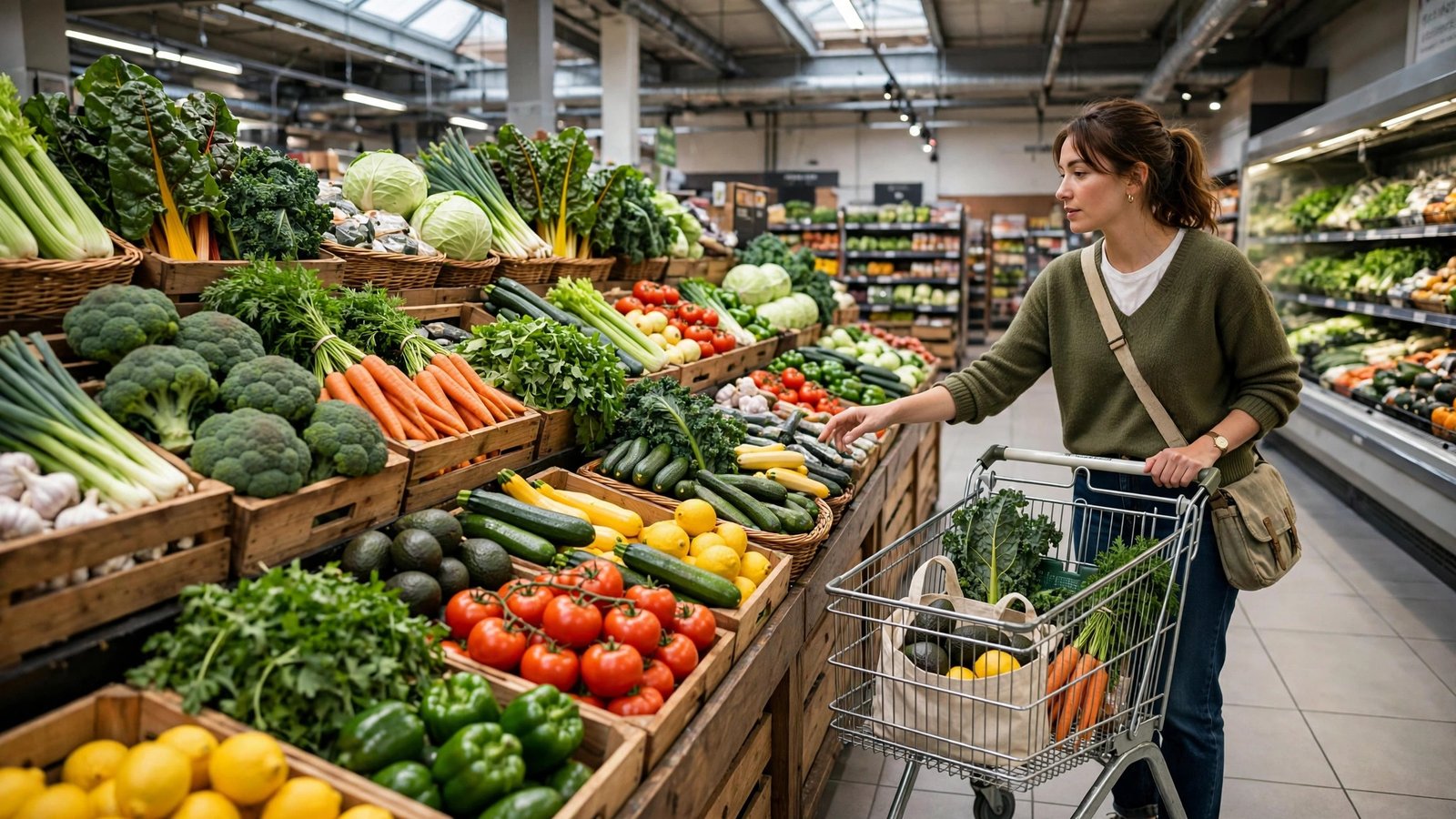
On Friday, November 13, 2026, the wait finally ended for roughly 42 million Americans. SNAP benefits November 2026 will be paid in full, the U.S. Department of Agriculture’s Food and Nutrition Service told state agencies in new guidance issued the same day, directing states to release full November benefits immediately and reinstate SNAP Employment and Training without delay. The announcement came two days after the longest federal government shutdown in American history finally ended, closing a chapter of confusion, partial payments, and court fights that left millions unsure when their food assistance would arrive.
For families who depend on the Supplemental Nutrition Assistance Program, the timing could not matter more: November benefits were not refilled on November 1, and many households spent nearly two weeks stretching what they had. This article explains what the guidance says, when the money should land, what happens if you already received a partial payment, and what the funding deal means for SNAP through the rest of the fiscal year.
The Shutdown Is Over: How We Got Here
The 43-day federal government shutdown began on October 1, 2026, after Congress failed to pass funding legislation, and it ran longer than any shutdown in American history. The end came quickly once a deal was struck: the Senate passed the funding package 60–40 on Monday night, the House followed with a 222–209 vote on Wednesday, November 11, and President Trump signed the bill — the Continuing Appropriations, Agriculture, Legislative Branch, Military Construction and Veterans Affairs, and Extensions Act, 2026 (H.R. 5371) — late Wednesday night. Federal workers were expected back on the job Thursday, and the Office of Management and Budget directed agencies to resume normal operations immediately.
The funding package runs on two timelines. Most federal agencies are funded through January 30, 2027, setting up the next deadline in less than three months. SNAP, however, is funded through September 30, 2027 — the full fiscal year — because the Agriculture appropriations bill was one of three full-year bills in the package. Food assistance is secure regardless of what happens on January 30. Our full account of the reopening is in our report on how the federal government reopens November 2026.
The standoff was dominated by one disagreement: whether to extend Affordable Care Act premium tax credits, which expire December 31. Democrats held out for an extension; Republicans refused to include one in the funding bill. The final deal separated the two questions — the funding bill passed without the extension, and Senate leaders promised a vote on the credits by mid-December. The government shutdown House vote coverage tracked how that compromise came together, with six Democrats voting for the package and only two House Republicans against it.
SNAP Benefits November 2026: What the November 13 Guidance Means
The guidance released on November 13, 2026 by the USDA’s Food and Nutrition Service — the agency that administers SNAP federally — is short, direct, and unambiguous. According to the National Association of Counties timeline of court rulings, USDA guidance, and congressional action on SNAP, it calls on state agencies to immediately release full November benefits and reinstate SNAP Employment and Training activities immediately. Agencies will not be held accountable for timeliness in their Quality Control reviews, and states are encouraged to upgrade their systems in case they ever have to issue reduced allotments again.
That “immediately” is doing a lot of work. For two weeks, states operated under shifting instructions — first told to prepare partial payments, then told full payments were coming, then told the full payments were unauthorized — and many state systems were never designed to flip between reduced and full allotments on short notice. The November 13 guidance ends the ambiguity: the full November benefit is the correct amount, and states should issue it now. The USDA Food and Nutrition Service SNAP page is the federal source for programme rules and state agency contacts.
The reinstatement of SNAP Employment and Training matters too, though it gets less attention than the benefit payments. Employment and Training programmes help SNAP participants build job skills and find work, and they were paused during the shutdown. The guidance orders them reinstated immediately, which means the support services attached to SNAP — not just the money on the card — are switching back on at the same time.
When Will the Money Land?
The honest answer is: it depends on your state. The federal guidance tells states to release full November benefits immediately, but states run the actual payment systems, and each one needs time to process the change — anywhere from 24 hours to a few days to get full benefits onto EBT cards. Some households may see the full amount within a day; others may wait several days. Neither outcome means anything has gone wrong — it reflects the different speeds of fifty-plus separate state systems.
Check your EBT balance regularly over the next few days rather than assuming a single date. Most states let you check online, through a mobile app, or by calling the number on the back of your EBT card. A benefits portal is usually the fastest way to see whether the full November amount has posted. Ignore rumours on social media about specific dates — the only reliable signal is your own balance and your state agency’s announcements.

What About Partial Payments and Top-Ups?
Many households did receive something during the shutdown — just not the full amount. On November 3, USDA said it would use the SNAP contingency fund for partial benefits. On November 4, it instructed states to reduce November benefits by roughly half. On November 5, it revised that to a 35 percent reduction in maximum allotments, with households’ net income still deducted from the reduced amount. Some states issued those reduced payments; others held off entirely while the courts weighed in.
If your state issued a partial payment, it must now calculate a top-up — the difference between what you received and your full November benefit — and issue the remainder. The November 13 guidance covers households that got a reduced amount as well as households that got nothing. The top-up is not a bonus; it is the rest of the November payment you were already owed.
The National Association of Counties notes the SNAP contingency fund held about $4.65 billion for November benefits, against roughly $8 billion needed — which is why full payments were impossible without the funding law. Now that the law is signed and SNAP is funded through September 30, 2027, that constraint is gone. The money is appropriated; the remaining work is administrative.
What the Funding Deal Means for SNAP Through September 30, 2027
The most important number in the funding deal for SNAP households is not the November payment — it is September 30, 2027. That is how long SNAP is funded for, so the programme runs for the full fiscal year even if Congress deadlocks again in January. When short-term funding for most agencies expires on January 30, 2027, SNAP will not be part of that fight, and families who rely on food assistance do not face another November-style cliff in January.
During the shutdown, whether November benefits would be paid at all was litigated in two federal courts, with judges in Massachusetts and Rhode Island ordering USDA to use contingency funds, the Justice Department appealing, and Supreme Court Justice Jackson issuing an administrative stay. The funding law removes the legal uncertainty entirely: SNAP is funded by statute through September 30, 2027, and no court order is needed to keep it running. The US government shutdown ends November 2026 report explains how the package gave food assistance that longer runway while most of the government runs on a short-term extension.

Federal Workers, Back Pay, and What the Deal Leaves Out
SNAP households were not the only people waiting on the funding deal. About 800,000 federal employees were owed wages after weeks without pay, and the bill guarantees their back pay. It also reverses the reduction-in-force notices issued during the shutdown and bans further federal layoffs through January 30. The timing of back pay depends on each agency’s payroll cycle, but the guarantee is in the law.
What the deal does not do is equally important. It does not extend Affordable Care Act premium tax credits, which expire December 31. That was the central Democratic demand throughout the shutdown, and its absence is the reason the deal took 43 days to reach. Senate leaders promised a vote on extending the credits by mid-December — a promise, not a guarantee. For the millions of Americans who buy insurance through the marketplaces, the December 31 expiry is now the next cliff.
The distinction matters for SNAP households, because many of the same families use both programmes: food assistance secured through September 30, 2027 does not protect against sharply higher health insurance premiums in the new year if the subsidy vote fails.
The Court Fight That Pushed Benefits Forward
The November 13 guidance did not emerge from nowhere — it followed two weeks of litigation that kept pressure on USDA to pay. On October 31, the National Association of Counties and the National League of Cities urged USDA to release the SNAP contingency funds to minimise the disruption of November benefits. The same day, a federal judge in Massachusetts found that 26 states bringing the case were likely to prevail on their claim that USDA was legally required to use the contingency funds, and ordered a distribution plan. In a separate case, a federal judge in Rhode Island ordered USDA to release the contingency funds immediately.
On November 6, the Rhode Island judge went further, ordering USDA to send funding for full November payments to states by Friday, November 7. The Justice Department appealed immediately. On November 7, the Food and Nutrition Service said it was working towards full benefit issuances, while Supreme Court Justice Jackson issued an administrative stay of the Rhode Island order. On November 8, FNS released guidance suggesting that any action to issue full benefits was “unauthorised” and needed to be “undone” — while instructing states to continue issuing the reduced benefits from November 5.
On November 9, the First Circuit denied the administration’s appeal, finding that the Rhode Island judge had not abused his discretion in ruling that partial payments would cause unacceptable delays. Three days later, Congress mooted much of the litigation by passing the funding law. The court fight explains why some states paid partial benefits and others paid nothing: states were caught between conflicting court orders and shifting federal guidance for over a week. The Center on Budget and Policy Priorities researches food assistance policy and documents how SNAP reaches low- and moderate-income families.
What to Do Now: A Checklist for SNAP Households
If you receive SNAP, here is what to do over the next few days. First, check your EBT balance — online, through your state’s app, or by calling the number on the back of your card — and keep checking until the full November amount appears. Second, if you received a partial payment, note the amount, so you can confirm the top-up brings your total to the full benefit. Third, if nothing has arrived after several days, contact your state SNAP agency directly; the online portal is usually faster than busy phone lines. Fourth, keep your EBT card and PIN safe, and ignore anyone offering to “speed up” your benefits for a fee — no such service exists.
For households still short on food while they wait, food banks and community pantries remain the fastest stopgap. If your circumstances changed during the shutdown — a lost job, reduced hours, a new household member — you can still apply under the normal rules. The funding law does not change who qualifies for SNAP; it restores the money that pays for it.
What Happens Next: January 30, 2027
The deal buys less than three months for most of the government: another funding deadline arrives on January 30, 2027, and Congress will have to pass full-year appropriations bills or another short-term extension. The December vote on Affordable Care Act subsidies comes first: if the subsidies are extended, one major point of contention disappears; if not, January 30 could become the next standoff.
For SNAP households, the January deadline is a spectator event rather than a threat. Food assistance is funded through September 30, 2027, and the November 13 guidance has already directed states to pay full November benefits and reinstate Employment and Training — so that whatever happens in January, families do not go through another November.
Frequently Asked Questions
When will I get my SNAP benefits November 2026 payment?
States were directed on November 13, 2026 to release full November benefits immediately. Most states need 24 hours to a few days to process the payments, so check your EBT balance regularly — your own balance or your state agency’s portal is the fastest way to know.
I already received a partial November payment. Will I get the rest?
Yes. States that issued partial payments must calculate top-ups — the difference between what you received and your full November benefit — and issue the remainder. Your total November benefit should equal the full amount your household qualifies for.
Is SNAP funded for the rest of the year?
Yes. The funding law signed on November 11 funds SNAP through September 30, 2027, the end of the fiscal year — separate from the January 30, 2027 deadline for most other federal agencies.
What is SNAP Employment and Training, and is it back?
SNAP Employment and Training programmes help participants build job skills and find work. They were paused during the shutdown, and the November 13 guidance directs states to reinstate them immediately.
Will federal workers get back pay?
Yes. The funding law guarantees back pay for federal workers — about 800,000 employees were owed wages — and reverses the shutdown-era firings, banning further layoffs through January 30. The exact timing depends on each agency’s payroll cycle.
Could SNAP benefits be interrupted again in January?
No. The January 30, 2027 funding deadline applies to most federal agencies, but SNAP is funded through September 30, 2027 under the Agriculture appropriations bill in the package. A January funding fight would not cut off food assistance.
Conclusion
The message of SNAP benefits November 2026 is good news: full November payments are coming, the guidance is clear, and the programme is funded through September 30, 2027. The 43-day shutdown tested the food assistance system as never before — empty EBT balances on November 1, partial payments on shifting guidance, and court orders pulling in different directions. The funding law and the November 13 guidance close that chapter. Check your balance, confirm the top-up if you received a partial payment, and know the money is appropriated for the full fiscal year. For roughly 42 million Americans, the wait is over.



