
Best Winter Coats 2026: 8 Picks for Every Climate and Budget
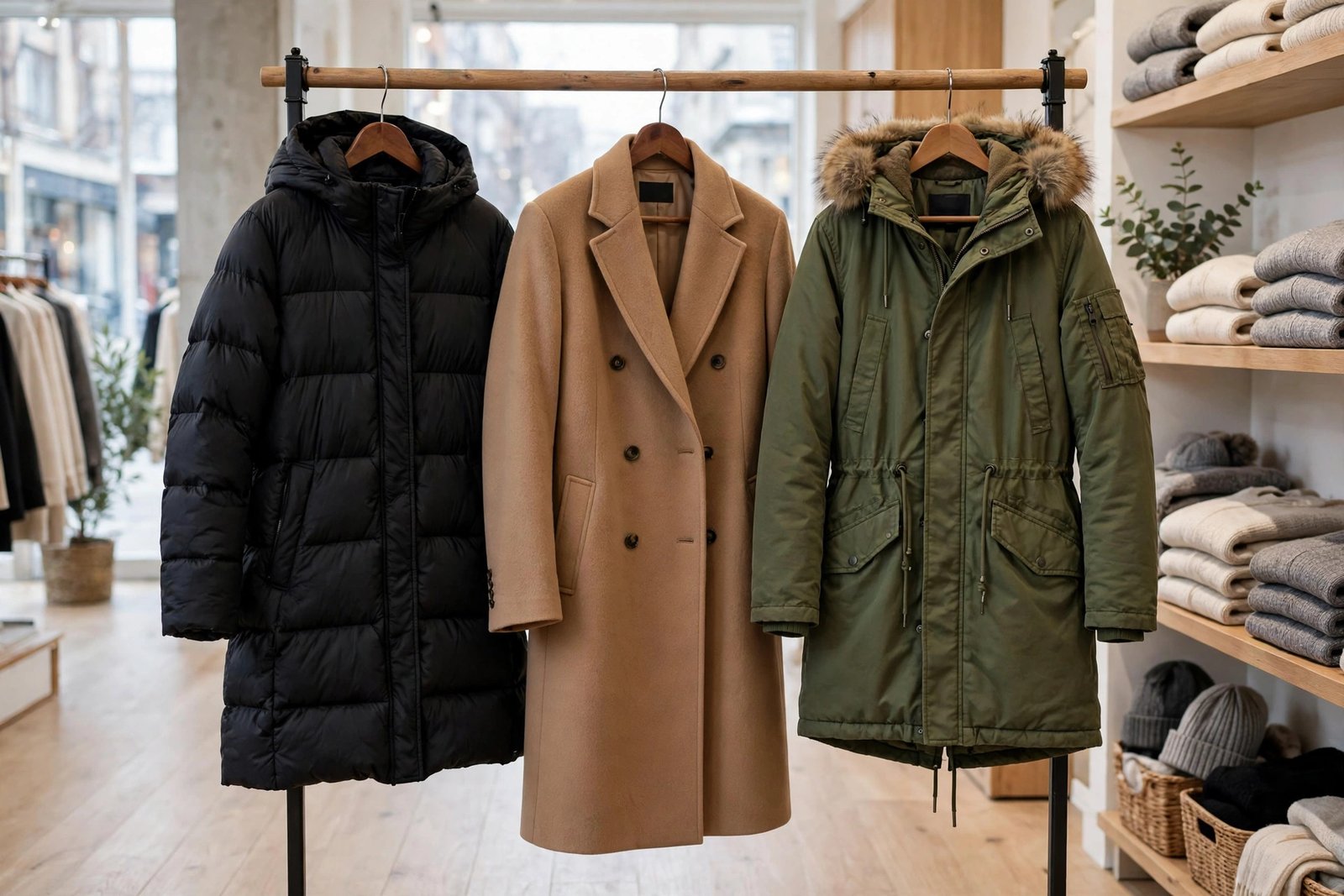
Buying a winter coat is one of those purchases where getting it wrong costs you twice: once at the till, and then every freezing morning until spring. Too thin and you shiver through January; too heavy and it lives in the cupboard. The best winter coats 2026 has produced solve that problem by matching the coat to the climate you actually live in — not the one in the advertisement.
This guide does exactly that: eight coats, tested by people who spend their winters outside, sorted by climate and use — expedition parkas for the deep freeze, waterproof shells for wet winters, and budget puffers that punch above their price. Every price below is a late-2026 snapshot, not a checkout total.
A coat’s warmth comes from its insulation and its length, its weather protection from its shell, and its value from how many winters it survives. Get those three right and the brand name hardly matters.
The Best Winter Coats 2026: How We Picked Them
Each one earned its place through independent testing: OutdoorGearLab’s winter jacket tests, running for over a decade across more than 70 women’s jackets, CleverHiker’s field testing in sub-zero Montana and Banff, and Treeline Review’s hands-on trials in the wet cold of British Columbia.
The shortlist covers the full range of real winters: dry, bitter cold where down rules; wet, windy winters where a waterproof shell matters more than fill power; city commutes where a coat must look decent at the office; and the budget end, where $239 can still buy genuine warmth.
These are mostly women’s picks, because the deepest testing this year was done on women’s jackets — OutdoorGearLab’s top-rated women’s parka leads the list. Most come in men’s versions too, and the buying advice applies to both.
Fill Power, Shells, and Warmth: The 60-Second Guide
When you compare the best winter coats 2026 has on the shelves, fill power is the first number to check. It measures how much space an ounce of down fills — how lofty it is. A fill power of 700 or above is premium; 800 to 900 is expedition grade. But it measures loft, not the total amount of down, so a coat with a lower fill power but more of it can still be warmer.
Down is the warmest insulation for its weight, and it packs down small. Its weakness is water: wet down clumps and stops insulating. That is why the shell matters — a waterproof-breathable membrane such as GORE-TEX keeps rain and wet snow out while letting sweat vapour escape.
Synthetic insulation, such as PrimaLoft, is the alternative: heavier and bulkier than down for the same warmth, but it keeps insulating when wet, dries faster, and costs less. If your winter is damp rather than deep-frozen, synthetic is often the smarter buy.
Length matters more than most buyers think. A hip-length jacket leaves your thighs exposed; a calf-length parka adds a huge amount of warmth for very little extra weight. The trade-off is that long coats restrict your stride on stairs and feel too warm for active errands.

The 8 Picks
Here are the eight, from the warmest all-rounder to the best budget buy. Prices are late-2026 snapshots in US dollars unless stated otherwise.
1. Outdoor Research Coze Down Parka — Best All-Round
OutdoorGearLab’s number-one women’s winter jacket for 2026, and the warmest all-rounder on this list. The Coze is a calf-length parka filled with 700-fill down, with a big hood, a neck baffle, and side zips. Testers described it as wrapping yourself in a fluffy down comforter — and meant it as praise.
It weighs only about two pounds despite its length and scored top marks for comfort. The weaknesses are honest ones: limited water resistance — this is a dry-cold coat, not a rain coat — and a long hem that shortens your stride on stairs. At roughly $445 to $500, it is not cheap, but for anyone who runs cold it is the benchmark the others are judged against. Read the full test results at OutdoorGearLab’s best winter jackets guide.
2. Arc’teryx Patera Parka — Best Waterproof Down Parka
The Patera is the coat for people whose winter is wet as well as cold. It pairs 750-fill goose down with a GORE-TEX shell, so it is genuinely waterproof and windproof — warm enough, in one reviewer’s words, for Iceland in February. It is knee-length, clean-looking, and smart enough for the city, with a trimmer fit than most expedition parkas.
At $800 it is a serious investment, up from $649 when first tested. GearJunkie’s Patera Parka review calls it the pick for the coldest, snowiest environments. If your winter involves rain, sleet, and wet snow rather than just dry cold, this is the one to save for.
3. Patagonia Tres 3-in-1 Parka — Most Versatile
Three coats in one. The Tres pairs a waterproof shell with a removable 700-fill recycled-down inner jacket: shell alone in autumn rain, puffer alone on a dry cold day, or both together when winter turns serious. Treeline Review tested both men’s and women’s versions around Squamish and Whistler and found the system genuinely worked — the layers fit together properly, which is where most 3-in-1 designs fail.
At $699, it costs more than buying a comparable down jacket and shell separately, but you are paying for the integration and the longer parka coverage. It is the pick for anyone whose winter swings between wet and cold. Patagonia’s own range is worth browsing for the current colourways.
4. REI Co-op Stormhenge Down Hybrid Parka — Best Value
The Stormhenge is the value pick reviewers keep coming back to: CleverHiker’s number-one women’s winter coat overall, and OutdoorGearLab’s best value for women. The hybrid design mixes 850-fill down with synthetic insulation where it gets wet first — cuffs, hem, shoulders — so it handles damp conditions better than pure down.
At around $299, it delivers a remarkable amount of coat for the money: long coverage, serious warmth, and a hood that actually keeps the wind out. The compromise is weight and bulk — not a coat to stuff into a daypack. For a daily winter commute in a cold climate, it is very hard to beat on value. Check current stock at REI’s winter jacket range.
5. Helly Hansen Adore Parka — Best for Wet Winters
The Adore is built for winters where the rain never quite stops. Helly Hansen’s heritage is sailing and mountain workwear, and it shows: a long, fully waterproof parka with a warm synthetic fill that keeps working when wet — exactly the conditions where down gives up.
Priced at around €400 on the brand’s global page, with US pricing varying by retailer, it sits in the mid-range. It is less lofty than the down parkas here, but if your winter is a long, grey, drizzly affair, the Adore’s weatherproofing earns its place. Pair it with the right layers — our guide to how to pack for a winter trip covers the layering system that makes a shell like this work.
6. Canada Goose Expedition Parka — Warmest for Extreme Cold
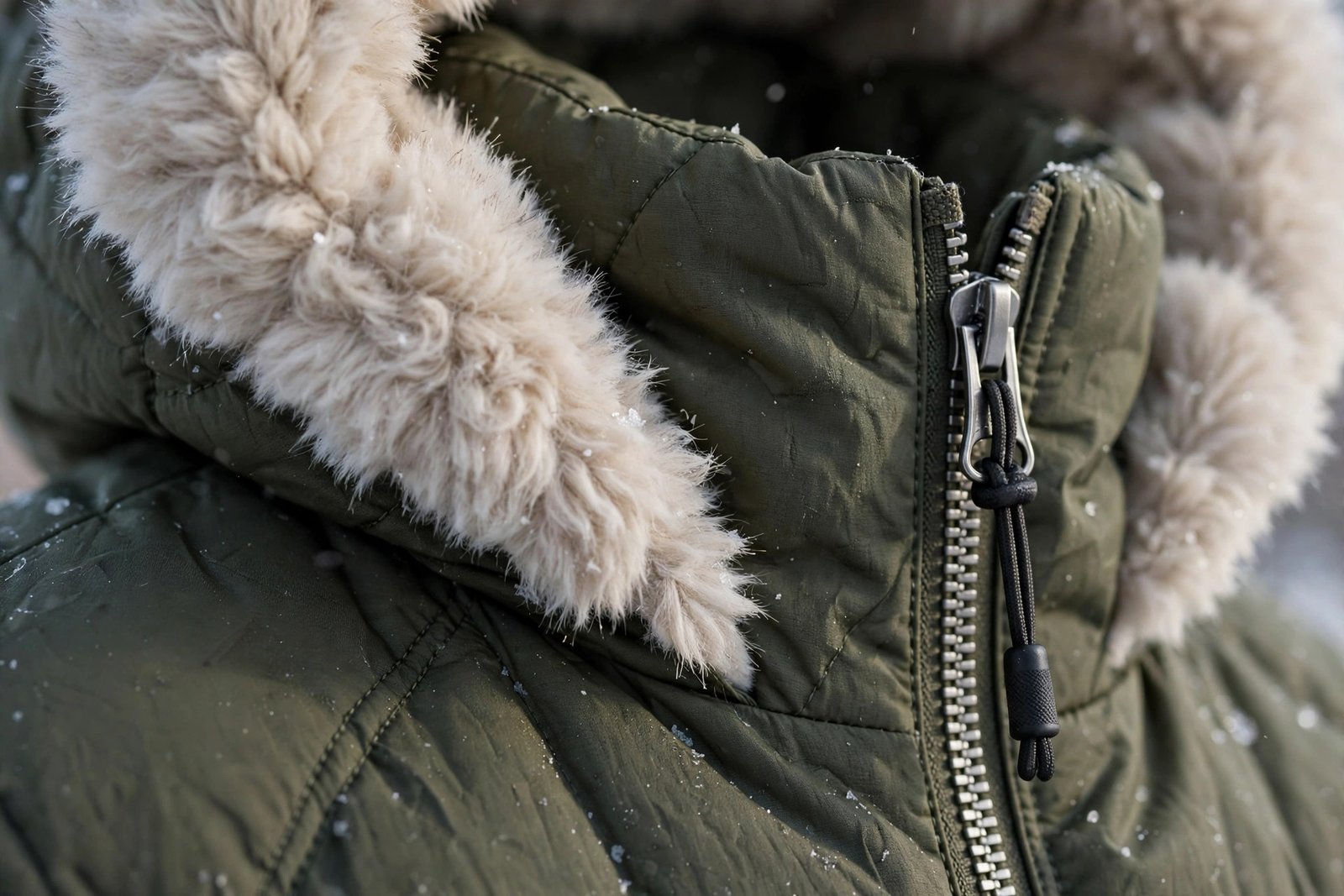
When the temperature drops below -20°C and stays there, this is the coat people reach for. The Expedition Parka was designed for scientists working in Antarctica, and it is still built to that standard: a huge fur-trimmed hood, a long cut, and insulation rated for the worst conditions on earth.
At around $1,695 it is by far the most expensive coat here, and for most people far more coat than they need — reviewers are blunt that it is overkill for a city winter. But if you live somewhere with a genuinely extreme winter, or work outdoors in sub-zero conditions, nothing else on this list matches it for sheer warmth.
7. Fjällräven Nuuk Parka — Best Synthetic Parka
The Nuuk is the pick for anyone who wants a fully synthetic parka with no down at all. At $535, it uses synthetic insulation throughout, with a waterproof-breathable shell and a long, practical cut. Treeline Review’s comparison testing rated it as a strong all-rounder for cold, wet conditions — the kind of winter where a down coat needs constant babying.
It is heavier than the down parkas — around four pounds in a men’s medium — and it does not pack down small. What you get in return is a coat that shrugs off wet snow, dries quickly, and needs no special care. For dog walkers and anyone outside in all weathers, that practicality matters more than a few hundred grams.
8. REI Co-op Campwell Down Parka — Best Budget Buy
The Campwell is proof that a good winter coat does not need to cost $500. At $239, it mixes 650-fill down with synthetic insulation, and Treeline Review’s testing found it warm, well-made, and genuinely usable in real winter — not just a fashion puffer with a winter label.
The compromises are modest: a shorter cut, a simpler hood, and less weatherproofing. But for a mild-to-moderate winter, a second coat for the car, or a first proper winter coat on a tight budget, it is the smartest money on this list. Spend the savings on the boots — our guide to the best winter boots 2026 covers the other half of staying warm.
| Coat | Best for | Insulation | Approx price (late 2026) | Climate |
|---|---|---|---|---|
| Outdoor Research Coze Down Parka | All-round warmth | 700-fill down | $445–$500 | Dry, bitter cold |
| Arc’teryx Patera Parka | Waterproof warmth | 750-fill down, GORE-TEX | $800 | Wet snow, city |
| Patagonia Tres 3-in-1 Parka | Versatility | 700-fill recycled down | $699 | Wet and cold |
| REI Stormhenge Down Hybrid | Value | 850-fill down + synthetic | ~$299 | Cold, damp |
| Helly Hansen Adore Parka | Wet winters | Synthetic | ~€400 | Rainy, windy |
| Canada Goose Expedition | Extreme cold | Down, fur-trim hood | ~$1,695 | Sub-zero |
| Fjällräven Nuuk Parka | Synthetic all-rounder | Synthetic | $535 | Cold, wet |
| REI Campwell Down Parka | Budget | 650-fill down + synthetic | $239 | Mild to moderate |
How to Choose by Climate
The right coat depends on your winter, not on the coat’s marketing. Start with the coldest morning you will actually face, not the coldest day on record. If your winter rarely drops below -5°C, a mid-weight parka such as the Campwell or the Tres worn as a single layer is plenty. If -20°C mornings are normal, you need the Coze or the Expedition — and you need the length.
Then ask how wet it gets. Dry cold is down’s home territory; wet winters punish down and reward synthetic insulation and a waterproof shell. If you are unsure, choose a hybrid — a down coat with synthetic panels, like the Stormhenge, or a 3-in-1 system.
Among the best winter coats 2026 has produced, the spread between the cheapest and the most expensive is roughly sevenfold — $239 against $1,695. That gap is mostly warmth, length, and weatherproofing, not quality. A $239 coat that fits your climate beats a $1,695 coat that does not, every single time.
Fit, Care, and Making It Last
Fit first. A winter coat should close comfortably over a sweater, with room to move your arms without the shoulders pulling — try it on with the layers you will actually wear. If you are between sizes, size up: a slightly roomy coat is warm, while a tight one compresses the insulation and feels cold.
Check the hood. It should fit over a hat or a beanie, adjust snugly around your face, and stay put in wind. A hood that flops back or blocks your peripheral vision is a design flaw, not a feature. The same goes for cuffs: look for adjustable cuffs or thumb loops that seal out drafts.
Care is simple but specific. Down coats need a special down wash and a low tumble dry with dryer balls to restore the loft — regular detergent strips the natural oils from the down. Synthetic coats are more forgiving. Never store a down coat compressed all summer; hang it or keep it in a large breathable bag.
Buy once, if you can: a well-made parka lasts a decade or more, and the cost per winter falls every year you wear it. If you are building a wardrobe around one good coat, our guide to how to build a capsule wardrobe shows how a single quality parka anchors a whole winter wardrobe. And if your winter involves driving, our guide to how to prepare your car for winter covers the other half of the season. For the premium end, Arc’teryx’s parka range is the place to compare the Patera against its siblings.

Frequently Asked Questions
What are the best winter coats 2026 for extreme cold?
The Canada Goose Expedition Parka is the warmest coat on this list, built for sub-zero work, followed by the Outdoor Research Coze Down Parka for dry, bitter cold. Both are long, heavily insulated, and overkill for a mild winter — match the coat to your actual coldest mornings.
Is 700 fill power good enough?
Yes, for most winters. Fill power of 700 or above is premium, and 800 to 900 is expedition grade. But fill power measures loft, not total down, so check the fill weight and the coat’s length too — a long 700-fill parka can be warmer than a short 800-fill jacket.
Is down or synthetic better for wet winters?
Synthetic, or a hybrid. Down loses its insulation when wet, while synthetic fibres such as PrimaLoft keep warming when damp. If your winter is rainy rather than just cold, choose a synthetic parka or a hybrid like the REI Stormhenge, and make sure the shell is waterproof.
How much should I spend on a winter coat?
Enough to cover your climate, and no more. Around $239 to $300 buys genuine warmth for a mild-to-moderate winter; $445 to $800 buys a serious parka for a hard winter; above $1,000 you are paying for extreme conditions or a luxury brand.
Should I size up in a winter coat?
Usually, yes, if you are between sizes. A winter coat needs room for a sweater underneath without compressing the insulation. Try it on with your thickest layer, raise your arms, and sit down in it — if it pulls anywhere, go up a size.
How do I wash a down coat?
Use a down-specific wash, a gentle cycle, and a low tumble dry with clean dryer balls to restore the loft. Never use regular detergent on down, and never store the coat compressed for months.
Conclusion
The best winter coats 2026 has to offer are not the most expensive ones — they are the ones that match your winter. Dry and bitter? The Coze. Wet and windy? The Patera or the Adore. On a budget? The Campwell or the Stormhenge.
Buy for the coldest morning you will actually face, check the fill power and the shell, try it on over a sweater, and then stop shopping. A good coat is a ten-year purchase — choose it once, choose it well.



