
The restaurant industry has spoken: 2026 is the year of comfort and value. The National Restaurant Association’s newly released 2026 What’s Hot Culinary Forecast — based on a survey of hundreds of chefs and culinary professionals — puts nostalgia, comfort food, and affordable indulgence at the very top of America’s menus. From smash burgers to Caribbean curry bowls, the food trends 2026 are less about showing off and more about feeling good. Here is what the forecast says, how it squares with global trend research, and what it means for how you will eat this year.
Food Trends 2026: What the National Restaurant Association Found
The NRA’s 2026 What’s Hot Culinary Forecast, released from Washington, D.C., draws on insights from culinary professionals surveyed in October 2025. The headline finding: “comfort and value are the twin pillars shaping America’s menus right now,” in the words of the association’s chief economist Dr. Chad Moutray. Diners want food that delivers joy and familiarity without breaking the bank — and operators are responding with creative takes on comfort classics.
The report’s predicted top trends start with a clear top three:
- Local sourcing — restaurants deepening community ties with nearby farms and producers, emphasizing freshness and sustainability.
- Comfort foods — familiar classics like soups, stews, and burgers, offering nostalgia and emotional connection.
- Value menus and options — satisfying, affordable choices for price-conscious diners who still want creativity on the plate.
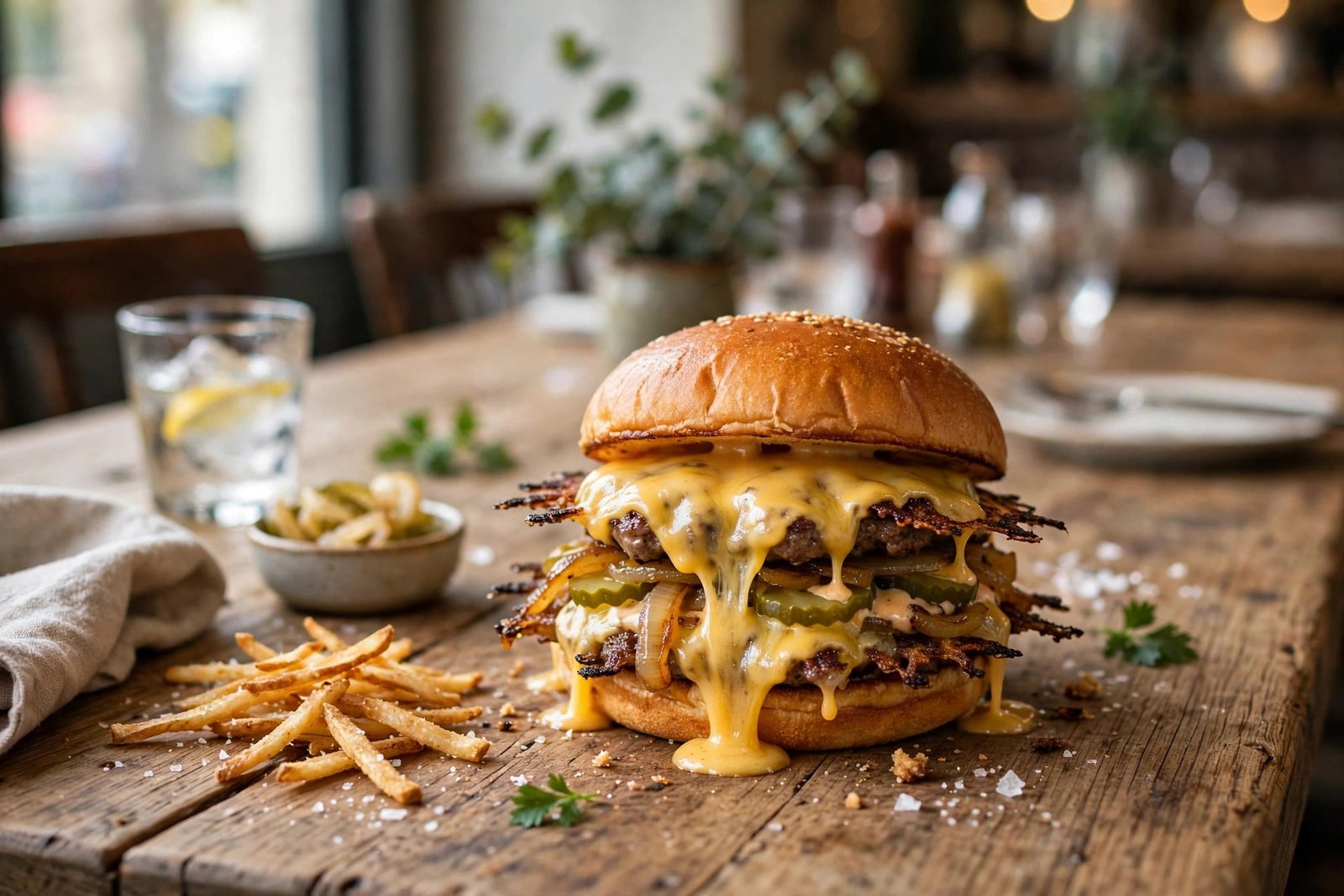
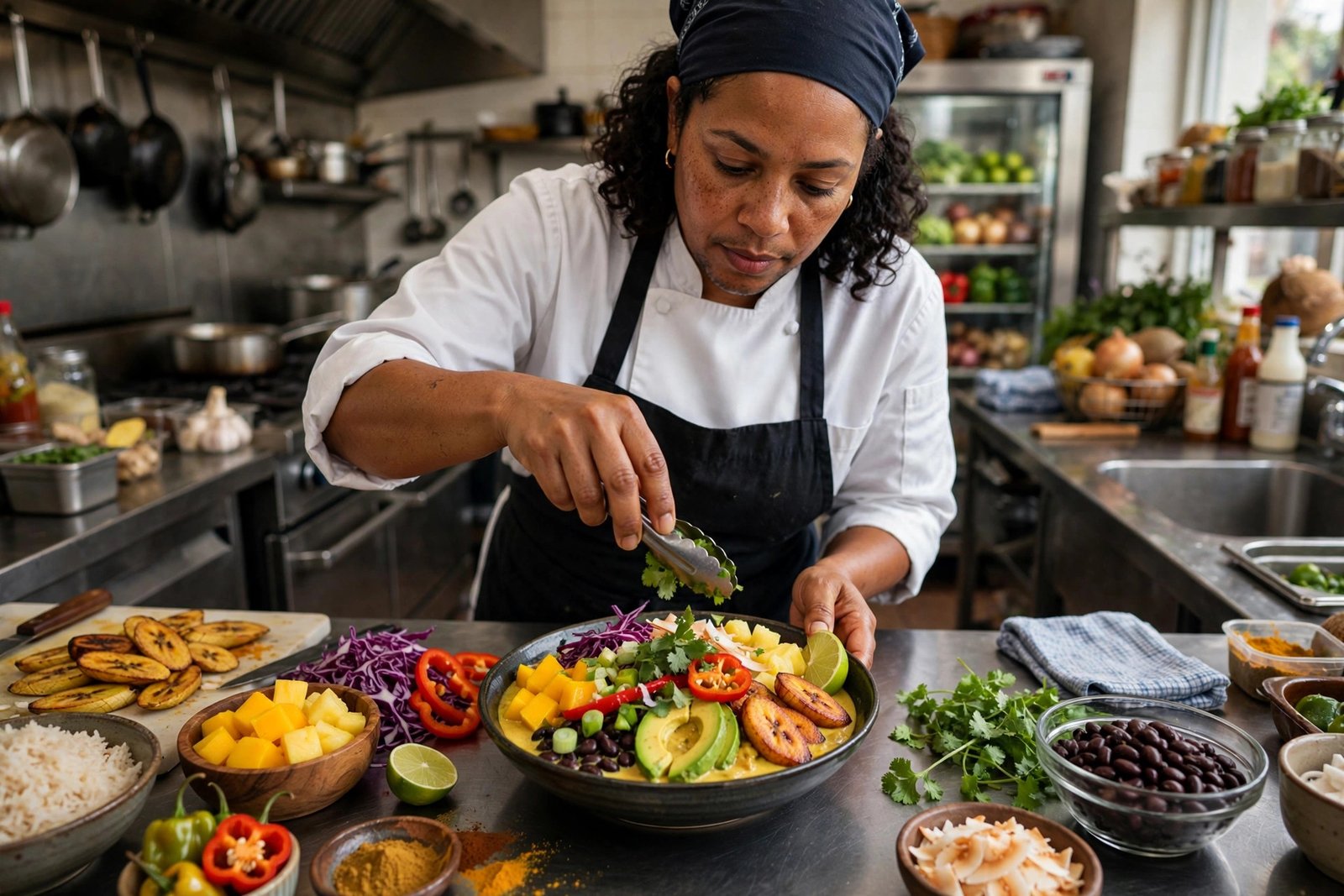
Beyond the top three, the forecast highlights smash burgers, Caribbean curry bowls, protein-packed meals, and low- to no-alcohol drinks. The through-line is “flavor escapism”: familiar favorites reimagined with global influences, wellness and affordability kept firmly in mind.
Protein, Fiber, and the Low-Alcohol Shift
Two nutritional currents run beneath the menu trends. Protein remains a dominant priority — coverage of the NRA forecast notes it as a clear winner, reflecting how health and wellness are reshaping ordering decisions. Fiber is the quieter riser: a Datassential 2026 trends report found growing consumer interest in fiber-rich foods for gut health, alongside a renewed embrace of animal proteins, with 67% of consumers preferring animal meat to plant-based alternatives for reasons of naturalness and satisfaction.
Meanwhile, the drinks menu is changing. The shift toward less alcohol — especially pronounced among Gen Z and Millennials, who increasingly expect alcohol-free beers and CBD-infused alternatives — is pushing restaurants to treat zero-proof drinks as a creative category rather than an afterthought. If you are exploring this at home, learning how to make cold brew coffee at home is a good start: coffee culture’s craft techniques translate surprisingly well to sophisticated non-alcoholic drinks.
How It Compares: The Global View From Mintel and SIAL
The American forecast rhymes neatly with global research. Mintel’s 2026 Global Food & Drink Predictions, summarized ahead of SIAL Paris, identify three macro-trends: “Maxxing Out, Diversity In” (bold flavors, inclusive ingredients), “Retro Rejuvenation” (nostalgia, heritage crops, revived classics), and “Intentionally Sensory” (food as emotional, multisensory experience). Mintel also flags fiber as “nutritional armour” by 2030 — gut-health protection for modern life — and a “DEI-ts” movement bringing diverse grains, pulses, seaweeds, and heritage crops into everyday meals.
| NRA 2026 (US restaurants) | Mintel 2026 (global) | The common thread |
|---|---|---|
| Comfort foods, nostalgia | “Retro Rejuvenation” | Looking backward for emotional security |
| Value menus, affordability | Resilience through diversity | Doing more with less in uncertain times |
| Global flavors (Caribbean curry bowls) | “Maxxing Out, Diversity In” | Adventure, but in familiar formats |
| Protein-packed meals | Protein priority in Asia-Pacific | Satiety and strength as wellness goals |
| Low/no-alcohol drinks | “Intentionally Sensory” | Experience over intoxication |
The convergence is striking: American operators and global forecasters independently landed on the same emotional territory — comfort, heritage, and sensory pleasure as antidotes to uncertainty.
What This Means for Home Cooks
Restaurant trends always trickle down to home kitchens, and 2026’s are unusually home-friendly. Comfort food is the easiest trend to cook: a proper smash burger needs only a hot pan and good beef, and curry bowls are endlessly adaptable to what is in the fridge. The value pillar translates directly into smarter grocery habits — our guide on how to save money on groceries pairs well with a comfort-food repertoire.
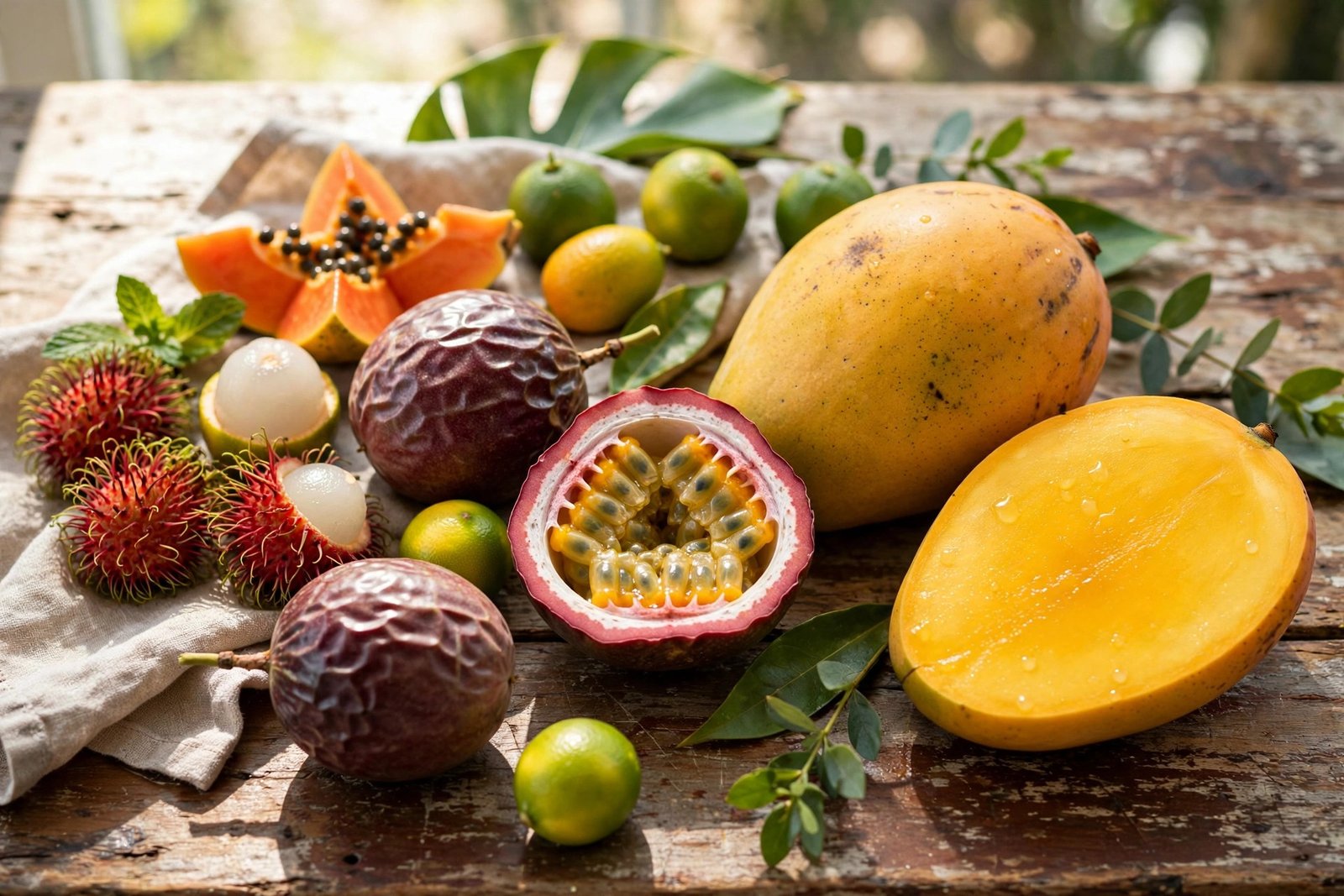
The global-flavors angle is an invitation to experiment. Gochujang, miso, and matcha keep their momentum in 2026, and tropical fruits like mango and passion fruit are moving from garnish to centerpiece. And if you are weighing new kitchen gear for all this cooking, our air fryer vs oven breakdown can help you decide what actually earns counter space. For feeding a crowd on these themes without overspending, see how to host a dinner party on a budget — comfort food is party food at its best.
The Dishes Defining 2026
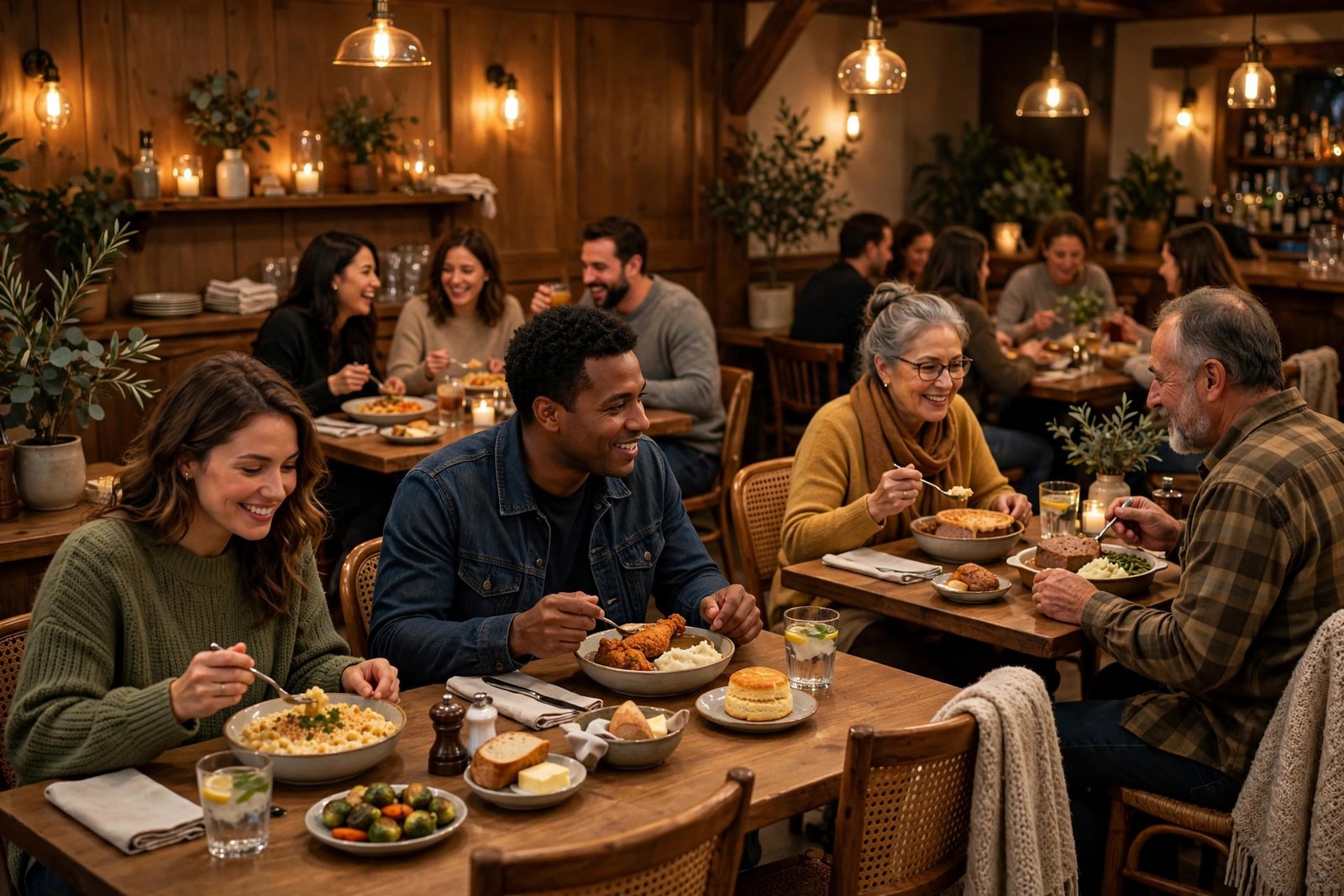
Forecasts are abstract; plates are concrete. Here is what the 2026 trends look like when they land on a table. The smash burger — a thin patty smashed hard onto a screaming-hot griddle for maximum crust — has graduated from trend to staple, and the 2026 twist is global toppings: gochujang mayo, miso caramelized onions, or a fried egg with chili crisp. Caribbean curry bowls bring coconut-rich, turmeric-gold comfort in a format that scales from fast-casual to fine dining. Protein-packed bowls layer grilled chicken, steak, or salmon over grains with high-protein sauces, aimed squarely at diners who track macros as carefully as flavor.
On the drinks side, the zero-proof menu has become a genuine creative outlet. Bartenders are building layered, bitter, and botanical drinks — alcohol-free beers, CBD-infused spritzes, shrub-based sodas — that give non-drinkers something to actually enjoy rather than endure. And the tropical fruit wave (mango, passion fruit, orange) is showing up everywhere from salad dressings to dessert specials, adding brightness that photographs as well as it tastes. Even desserts are playing the nostalgia card, with cookie dough, cheesecake, and stracciatella reappearing in modern formats that feel both familiar and new.
How Restaurants Are Making the Math Work
The “value” pillar deserves a closer look, because it is really about operator survival. With food costs, labor, and rent all elevated, restaurants cannot simply cut prices — so they are engineering value instead. That means tighter menus with fewer, better-executed dishes; cross-utilization of ingredients across the menu to cut waste; prominent value sections that preserve margins while giving diners an affordable entry point; and local sourcing that doubles as both a marketing story and, often, a fresher and more reliable supply chain than distant distributors.
For diners, the practical read is encouraging: the restaurants thriving in 2026 are the ones aligning their business model with what customers actually want — food that comforts, prices that respect budgets, and flavors with a point of view. When a trend serves both the P&L and the palate, it tends to stick around longer than a fad. Expect these comfort-and-value dynamics to keep shaping menus into 2027, whatever the next headline ingredient turns out to be.
Frequently Asked Questions
What are the top food trends for 2026?
According to the National Restaurant Association’s 2026 What’s Hot Culinary Forecast: local sourcing, comfort foods, and value menus lead, followed by smash burgers, Caribbean curry bowls, protein-packed meals, and low-alcohol drinks.
What is the NRA What’s Hot Culinary Forecast based on?
It is based on a survey of hundreds of chefs and culinary professionals conducted in October 2025, identifying the dishes, ingredients, and concepts expected to shape US menus in 2026.
Are comfort foods really trending, or is that just marketing?
The signal is consistent across independent sources: the NRA’s operator survey, Mintel’s global consumer research (“Retro Rejuvenation”), and Datassential’s operator/consumer data all point to nostalgia and comfort as defining 2026 desires.
What does “flavor escapism” mean?
It is the NRA’s term for the 2026 pattern of familiar favorites reimagined with global influences — think a classic burger smashed and topped with gochujang mayo, or a curry bowl built on Caribbean flavors. Adventure without alienation.
Is the low-alcohol trend real?
Yes, and it is generational. The NRA specifically notes Gen Z and Millennials driving demand for alcohol-free beers and CBD-infused beverages, with restaurants now treating zero-proof options as a creative menu category.
How can I eat with 2026 trends on a budget?
Lean into the trends that save money: cook comfort classics at home, buy local and seasonal produce, experiment with affordable global pantry staples (miso, gochujang, lentils), and make your own craft-style drinks instead of buying them out.
Conclusion
Food trends 2026 tell a coherent story: in uncertain times, people eat for comfort, value, and small adventures. The National Restaurant Association’s forecast — comfort foods, value menus, local sourcing, global flavors — lines up with Mintel’s global read of nostalgia and sensory pleasure. It is a rare moment when the industry’s business needs and diners’ emotional needs point in exactly the same direction. Whether you are ordering out or cooking in, the year’s defining flavors are familiar ones, made a little more interesting. And because these trends are rooted in genuine consumer desires rather than chef vanity, they are likely to shape menus well beyond December. As of late 2026, the smartest thing on the menu is also the most comforting — and that is probably not a coincidence.